The European Union faces the potential loss of more than one million jobs in 2026 as fallout from the Iran war and rising energy prices take a heavy toll on its economy, the European Commission said today [1, 2, 3, 4]. The Commission’s analysis estimates that 560,000 jobs may be cut directly due to increased energy costs hitting key industries [1, 2].
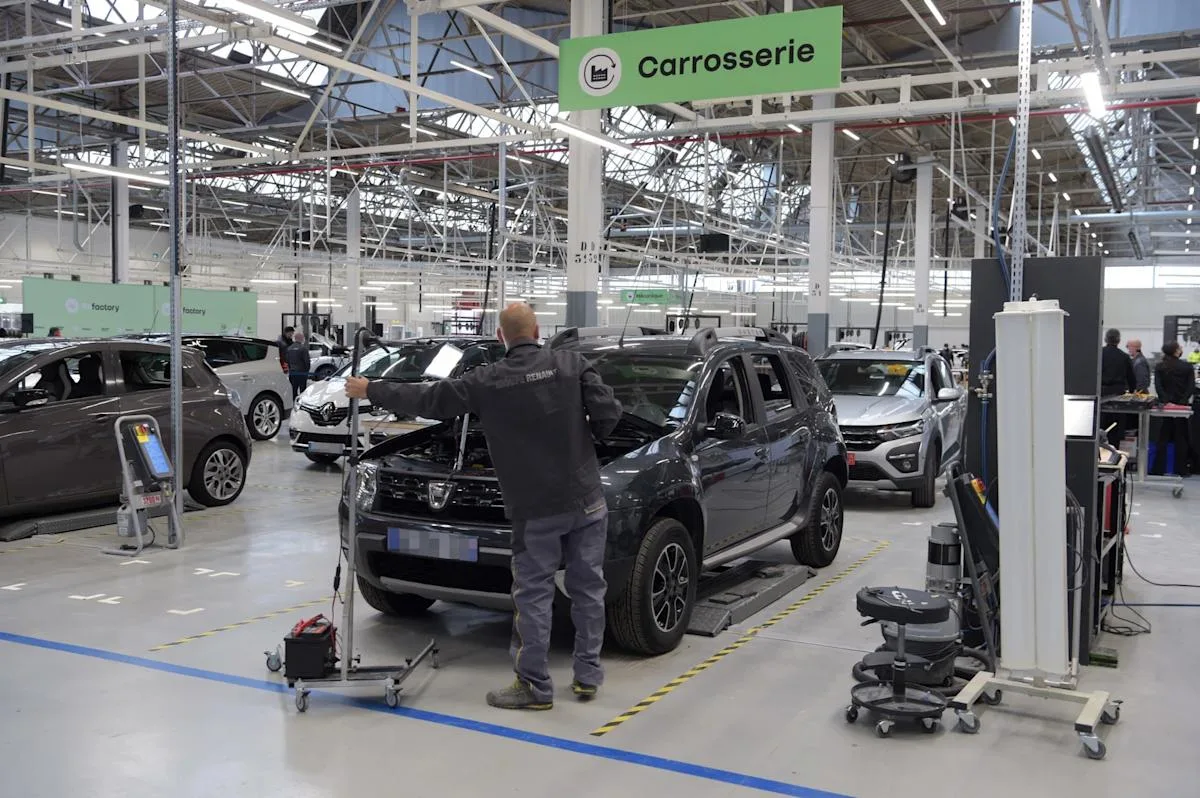
The automotive sector is under particular pressure, with around 600,000 jobs at risk from supply chain disruptions and heightened competition from U.S. and Chinese rivals in electric vehicles, solar panels, and AI technologies [1, 2, 3, 4]. Other sectors bearing the brunt of energy price spikes include construction, metals, chemicals, and transport. Some sources estimate 56,000 jobs could be lost in these fields [2, 3, 4].
In green industries, about 85,000 jobs in battery production and 60,000 in solar panel manufacturing are at risk, while the steel industry could shed a further 4,500 jobs due to costs linked to low-carbon transitions [2, 3, 4].
The conflict in Iran has worsened energy supply problems after the closure of the Strait of Hormuz, a vital global oil shipping route. This disruption has contributed to surging fuel prices, adding to shortages caused in part by the EU’s shift away from Russian oil and gas after Russia's invasion of Ukraine in 2022 [1, 2, 3, 4]. Low-income European families face an estimated 1.4% increase in fuel-related household costs due to the crisis [3, 4].
The total job loss projections vary by source, ranging from about 1 million according to some analyses to as many as 1.3 million in others. "Due to the outbreak of war in the Middle East, up to 1.3 million jobs are at risk, especially in energy-intensive industries," EU Labour Commissioner Roxana Minzatu said [1, 2, 3, 4].
EU manufacturing employs approximately 30 million people, with the services sector accounting for around 87 million jobs [3]. The Commission’s report highlights the risks to a substantial share of this workforce amid ongoing geopolitical and economic challenges.
The Commission’s warnings come just days after the Iran war intensified in February 2026, closing the Strait of Hormuz and worsening global fuel shortages. The next update on the EU’s economic response and labor market outlook is expected later this year [1, 2, 3, 4].