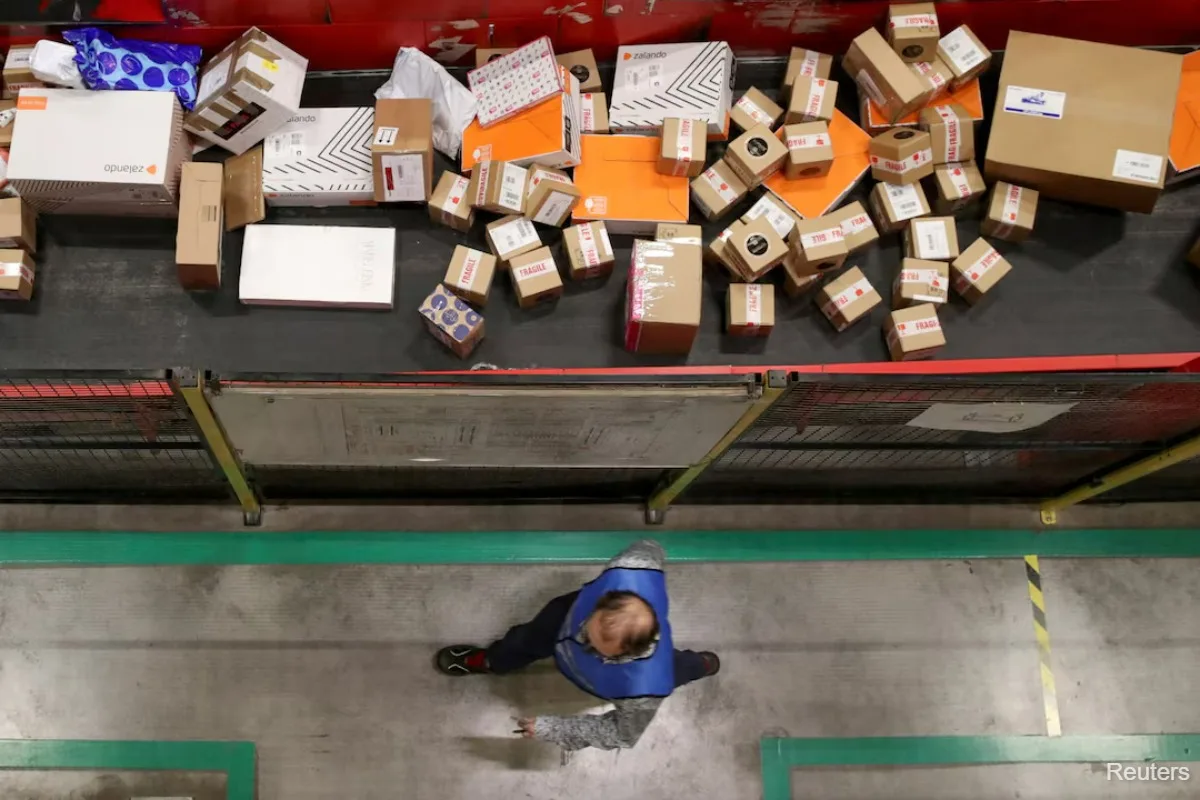
The European Union implemented a €3 customs charge on low-value e-commerce parcels from non-EU countries starting July 1, 2026. The fee applies per customs classification in a shipment, meaning a parcel with three different item types faces a €9 charge, while multiple identical items in one category incur only €3 [1, 2, 3, 4, 5, 6, 7, 8].
This change ended the previous "de minimis" exemption, which allowed imports valued under €150 to enter the EU duty-free. This exemption was removed to curb the sharp increase in cheap imports, predominantly from China [1, 2, 3, 4, 9, 6, 7, 8].
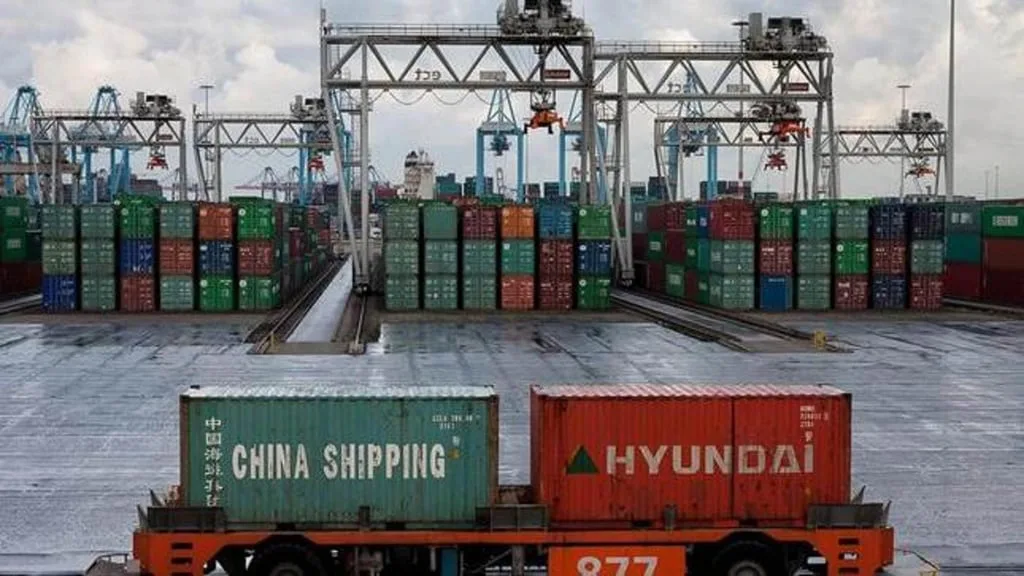
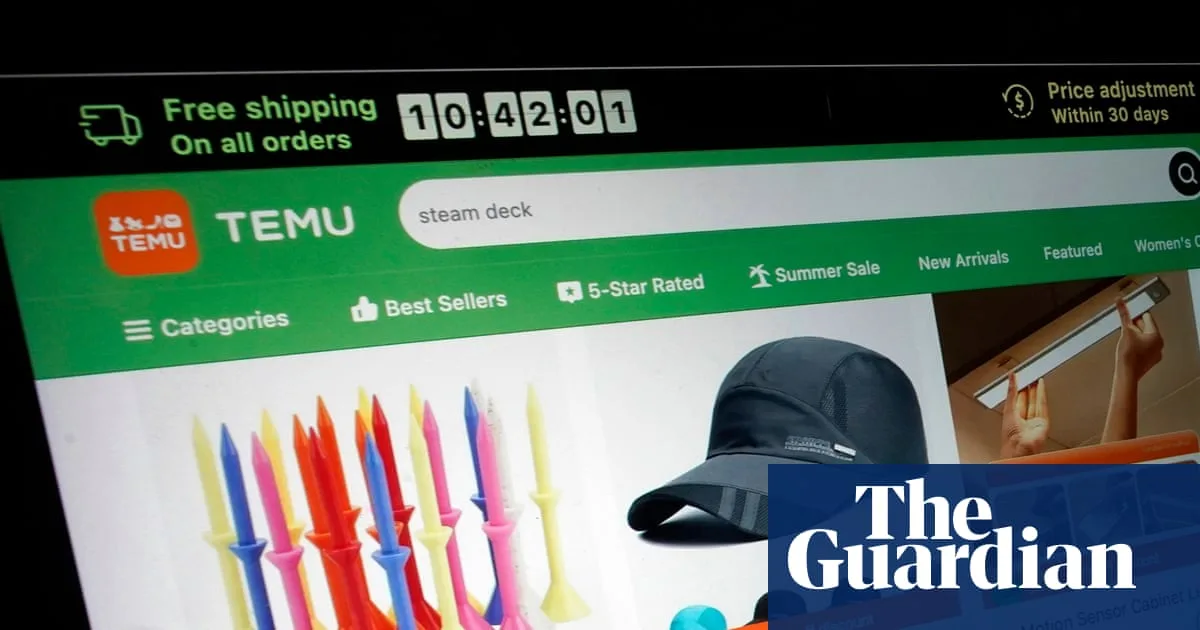
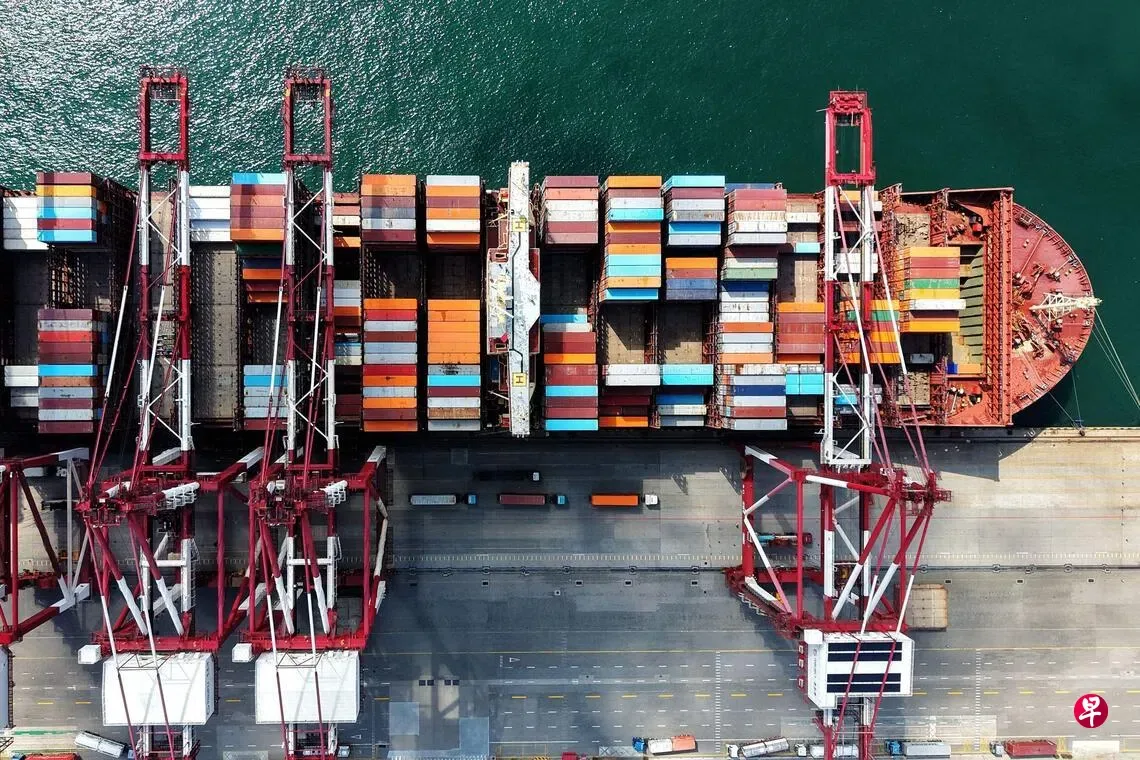
Low-value parcels entering the EU surged from around 1.3-1.4 billion in 2022 to nearly 5.8-5.9 billion in 2025, with approximately 90% originating from China. Chinese e-commerce platforms like Shein, Temu, and AliExpress grew rapidly by exploiting the duty exemption [1, 2, 3, 4, 9, 5, 6, 7, 8].
The EU aims to protect European retailers and local jobs from unfair competition. European Parliament lawmaker Dirk Gotink said, "The exemption was abused and misused on an industrial scale to create a competitive advantage at the expense of EU businesses." He added, "In a different trading world this made a lot of sense, but that world doesn't exist anymore. It's been turned on its head by e-commerce, especially from China" [2].
EU research found about 60% of imported online products fail to meet EU safety and compliance standards, especially cosmetics, toys, food supplements, and protective equipment [1, 4, 5]. Temu was fined €200 million by EU regulators in 2025 for selling illegal and dangerous products [1, 4, 5]. Alexander von Preen, President of the German Retail Association, said platforms like Temu and Shein "often fail to comply with legal and regulatory requirements, introduce unsafe products into our market that may pose health risks, and are driving many domestic retailers to the brink of ruin" [9].
The €3 flat fee is a temporary measure. It will remain until July 1, 2028, when a new EU Customs Authority will replace it with a system applying customs duties by product category [3, 4, 9, 6, 7, 8]. The fee will be collected from online platforms or sellers, not directly from consumers on delivery [7].
Some EU states, like France, are suspending their own small parcel fees in favor of the EU-wide €3 charge. France’s Minister for SMEs and Trade, Serge Papin, described suspending France's €2 fee from July 1 as a "strategic pause" [5].
Chinese platforms have adapted by expanding warehouses in Poland and increasing bulk shipments to the EU [2, 3, 4].
The EU also plans to introduce an import handling fee by November 2026 to cover customs processing costs, though the amount is not yet decided [9, 7].
In 2025, the EU had a trade deficit in goods with China of €360 billion. China expressed willingness during 2026 trade talks to increase purchases of European goods to reduce the imbalance [10, 11, 9].