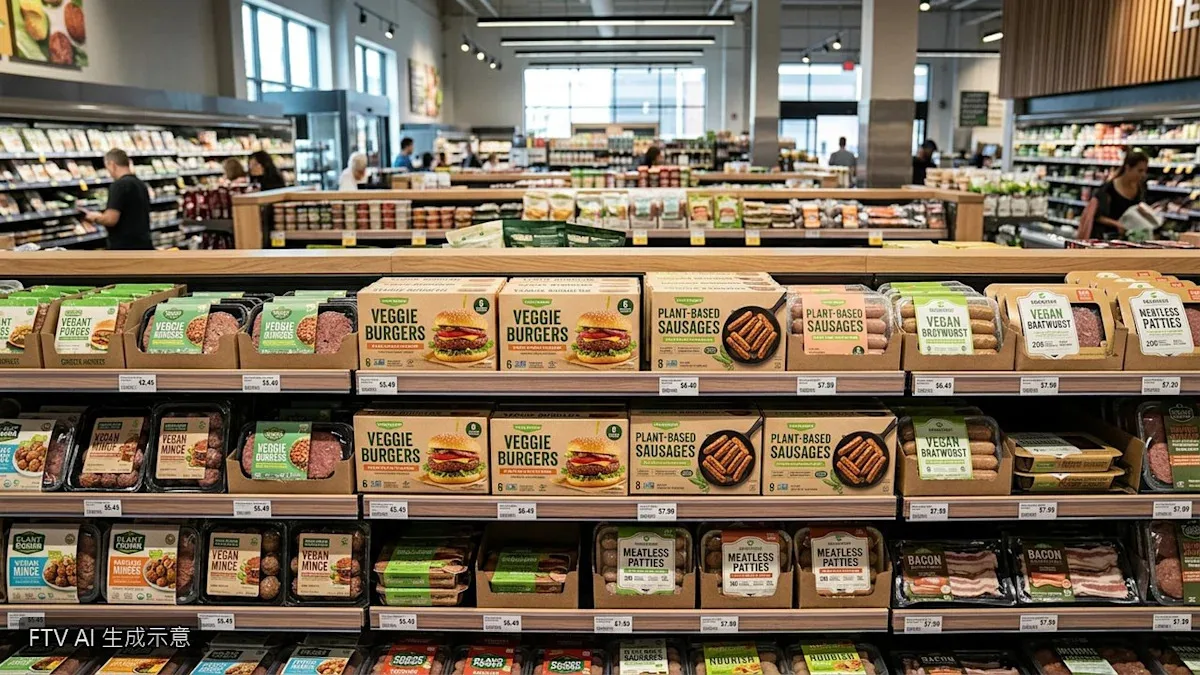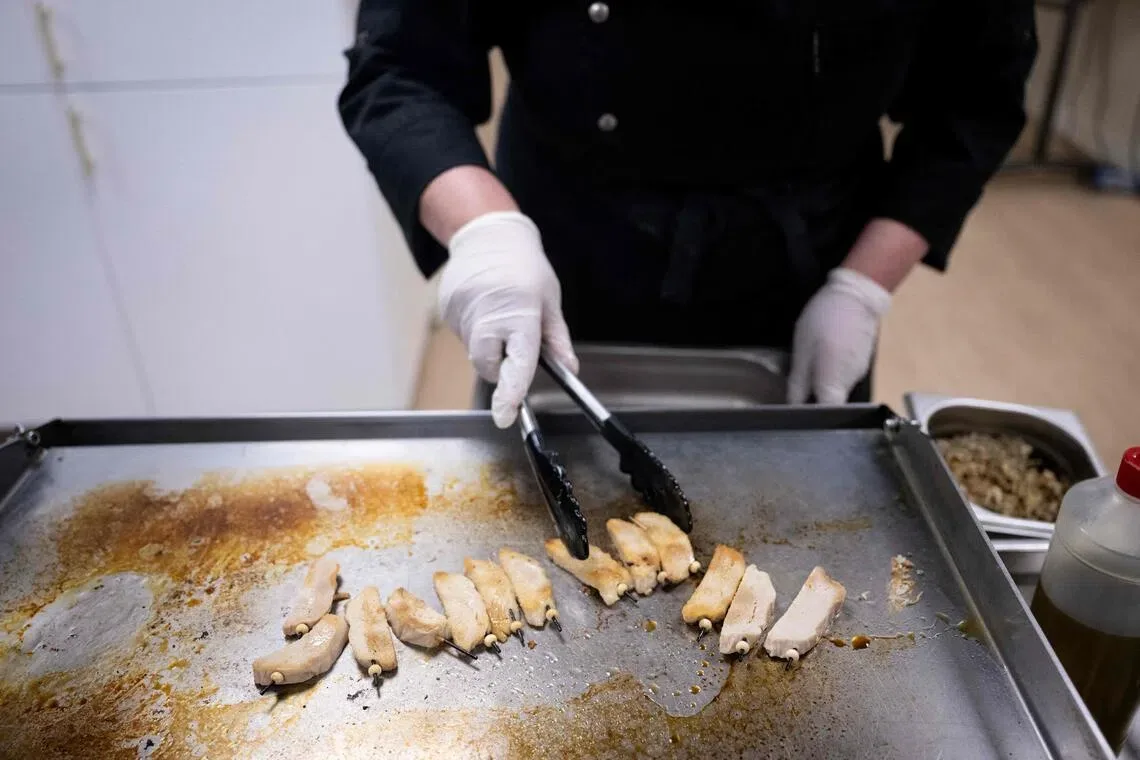
The European Parliament passed legislation on June 16 banning the marketing of plant-based foods using the terms "steak" and "bacon" but permitting terms like "burger" and "sausage" to remain in use [1, 2]. The ban defines meat strictly as edible parts of animals and bars these meat-related names for both plant-based and lab-grown cell-based meat products [1, 2]. It further restricts use of the generic word "meat" and specific labels such as "veal", "pork", "chicken", "turkey", "duck", and "lamb" in promoting plant-based products [1, 2].
Livestock farmers backed the legislation, citing consumer clarity and protection of the traditional livestock sector. Celine Imart, a French cereal farmer and lawmaker, called it "a victory for our producers, for their expertise and for the clarity owed to consumers" [1]. Conversely, environmentalists, consumer advocates, and food retailers in Germany opposed the ban, voicing worries over restrictions to consumer choice and market competition [1, 2].
Plant-based meat alternatives have become increasingly popular across the EU, with consumption rising fivefold since 2011 amid concerns over animal welfare, environmental impact, and health [1, 2]. Music legend and vegetarian Paul McCartney publicly supported protecting the naming rights of plant-based products such as soya steaks and tofu sausages [1, 2].
The ban stems from a March 2023 compromise between EU lawmakers and member states that allowed terms like "burger" and "sausage" but prohibited "steak" and "bacon" for plant-based foods [1]. The new labeling rules still require final approval from EU member states before coming into effect [1, 2]. They are set to apply until the end of 2027, when the next review will occur during the EU's Common Agricultural Policy reform cycle [1, 2].