The European Union will propose a temporary exemption from sanctions on Chinese semiconductor company Yangzhou Yangjie Electronic Technology Co. to ease pressures on the automotive supply chain, according to EU officials on May 21-22, 2026 [1, 2, 3, 4, 5].
Yangjie Electronic was added to the EU's 20th sanctions package in April 2026 for allegedly supplying dual-use components used in Russian military drones and glide bombs targeting Ukraine [1, 2, 3, 4]. The company’s products also serve sectors such as new energy vehicles, AI, 5G communication, and industrial equipment [4].
European automakers warned that the ban would severely disrupt chip supplies, depleting inventories within weeks and impacting vehicle production [1, 2, 3, 4]. Automakers lobbied EU officials to delay or exempt the sanctions to avoid exacerbating existing supply chain strains.
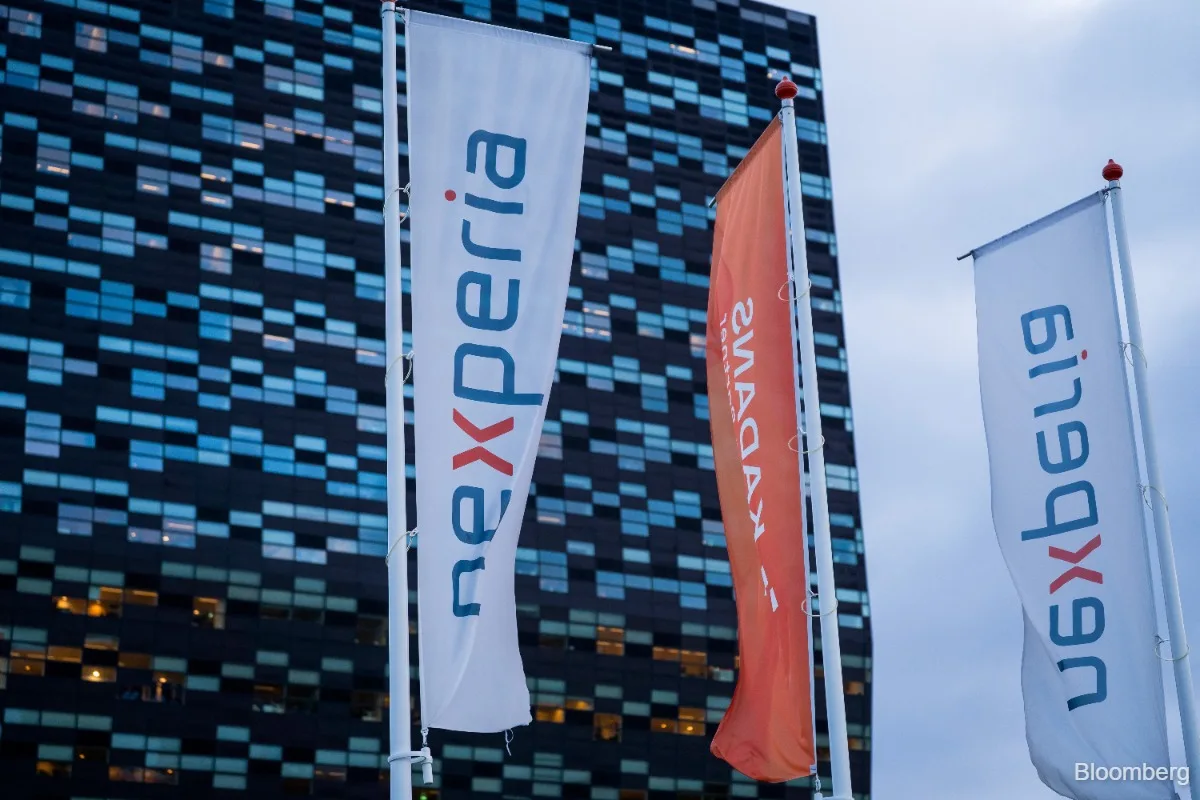
The industry’s concerns come amid mounting supply challenges that began in late 2025. A corporate feud at Nexperia, a Chinese-owned chipmaker, led to the Dutch government intervening and Beijing restricting exports from Nexperia’s China unit, further tightening chip availability [1, 2, 3, 4]. Demand for memory chips has also surged due to artificial intelligence applications, pushing prices higher and straining supplies [1, 2, 3, 4].
The proposed exemption would last up to nine months, serving as a derogation rather than a full lifting of sanctions [5]. It aims to give companies an orderly transition period to find alternative suppliers and diversify their sourcing [1, 2, 3, 4, 5]. The exemption requires approval from all 27 EU member states before it can take effect [1, 2, 3, 4, 5].
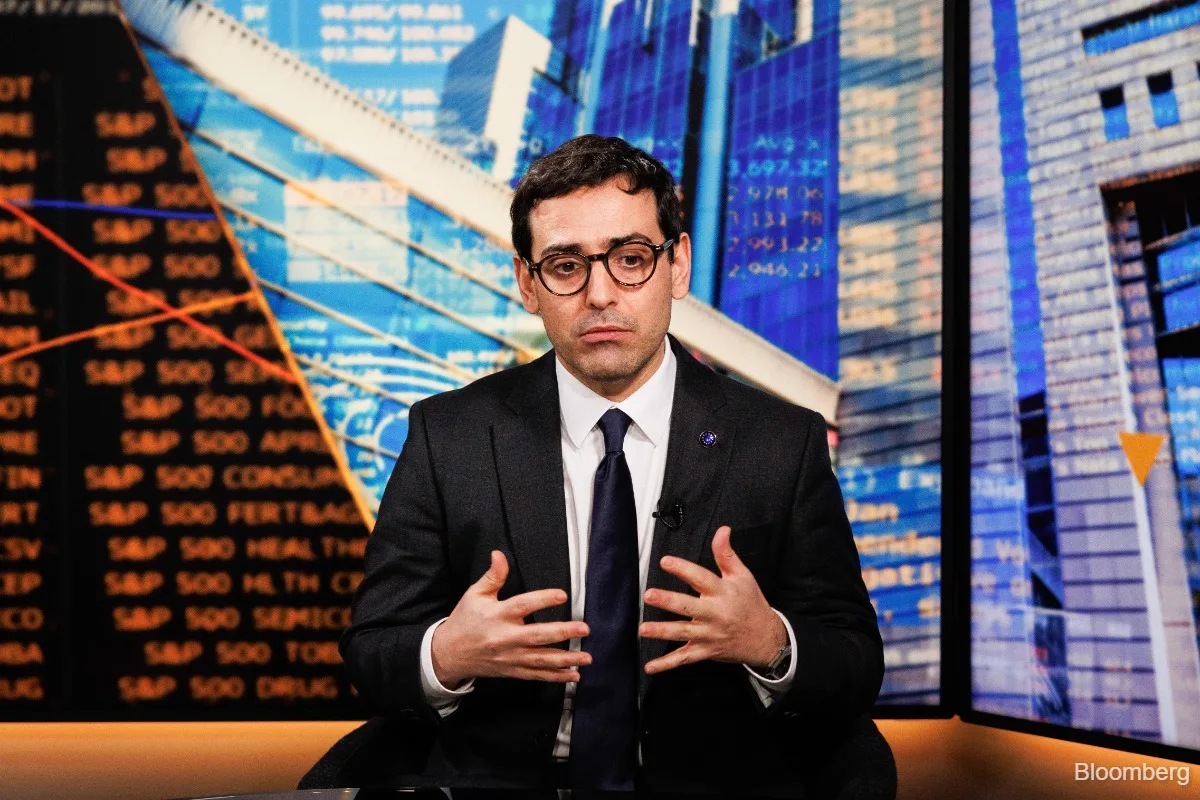
European Commission industry chief Stephane Sejourne urged businesses to quickly adapt, saying, "Too few businesses in Europe integrate the geopolitical risks, the supply chain risks into their thinking. We are really calling businesses to modernise their business plans" [6]. EU economic chief Valdis Dombrovskis added, "It’s clear that resilience and security has a certain price, but in current geopolitical context, it’s important to ensure that we have this resilience, we have diversification, because we see that a different kind of vulnerabilities and dependencies are being exploited" [6].
The EU proposal will now be reviewed by member states. Their collective decision will determine whether the temporary exemption is granted to mitigate supply risks facing the European auto sector.