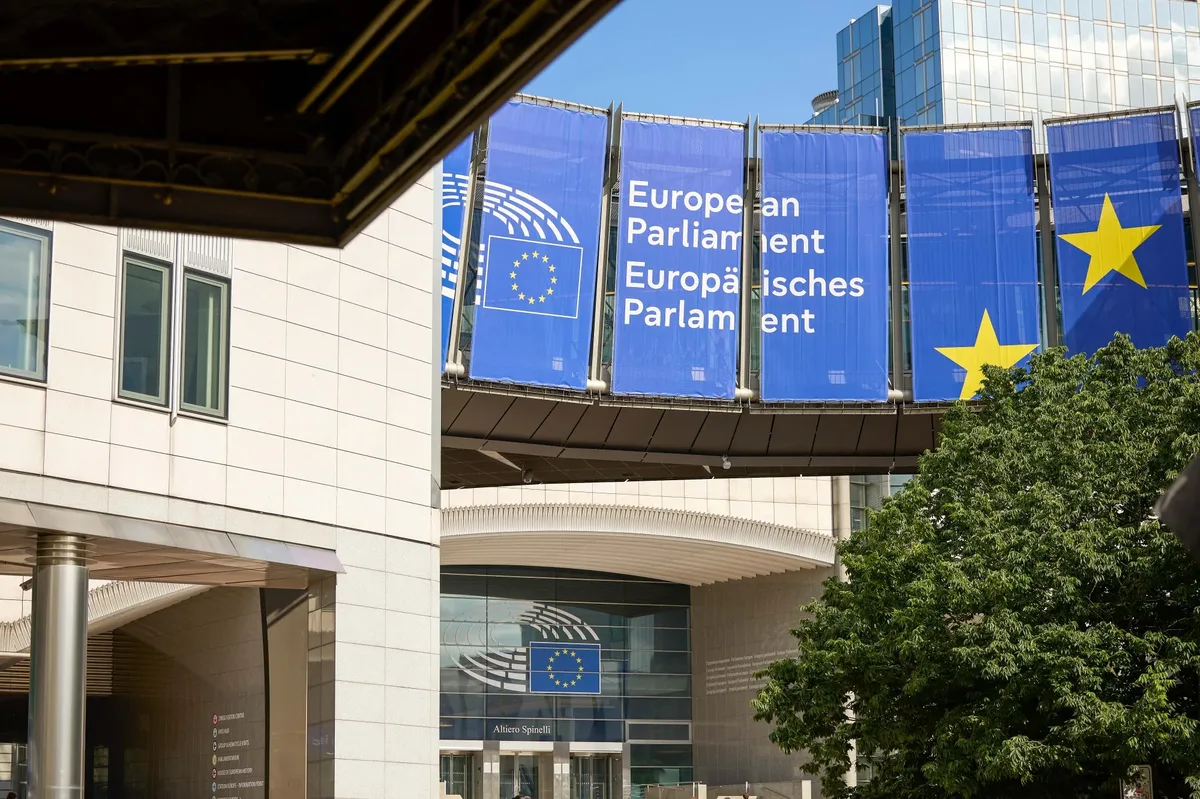
The European Parliament’s Economic and Monetary Affairs (ECON) committee approved draft rules supporting the creation of a digital euro on June 23, marking a crucial parliamentary milestone for the project [1, 2, 3]. The approval follows years of negotiation among EU governments, banks, and lawmakers since the initiative’s launch in 2021 [2, 3].
The digital euro will include both online and offline versions, allowing all eurozone residents to make payments electronically as well as in person [1, 2, 3]. It will be issued by the European Central Bank (ECB) but marketed through banks and fintech companies [3, 4]. The ECB said the single currency package "will safeguard euro cash as legal tender while also shaping the digital euro," emphasizing coexistence between cash and digital payments [2].
Rapporteur Fernando Navarrete said the goal is to "offer more options and preserve freedom of choice," adding that consumers who prefer cash can continue using it while those choosing digital means will have a secure European alternative [2]. The regulatory text highlights the project’s aim to "reduce overreliance on non-European providers by becoming a pan-European means of payment" and bring the euro into the digital era [3].
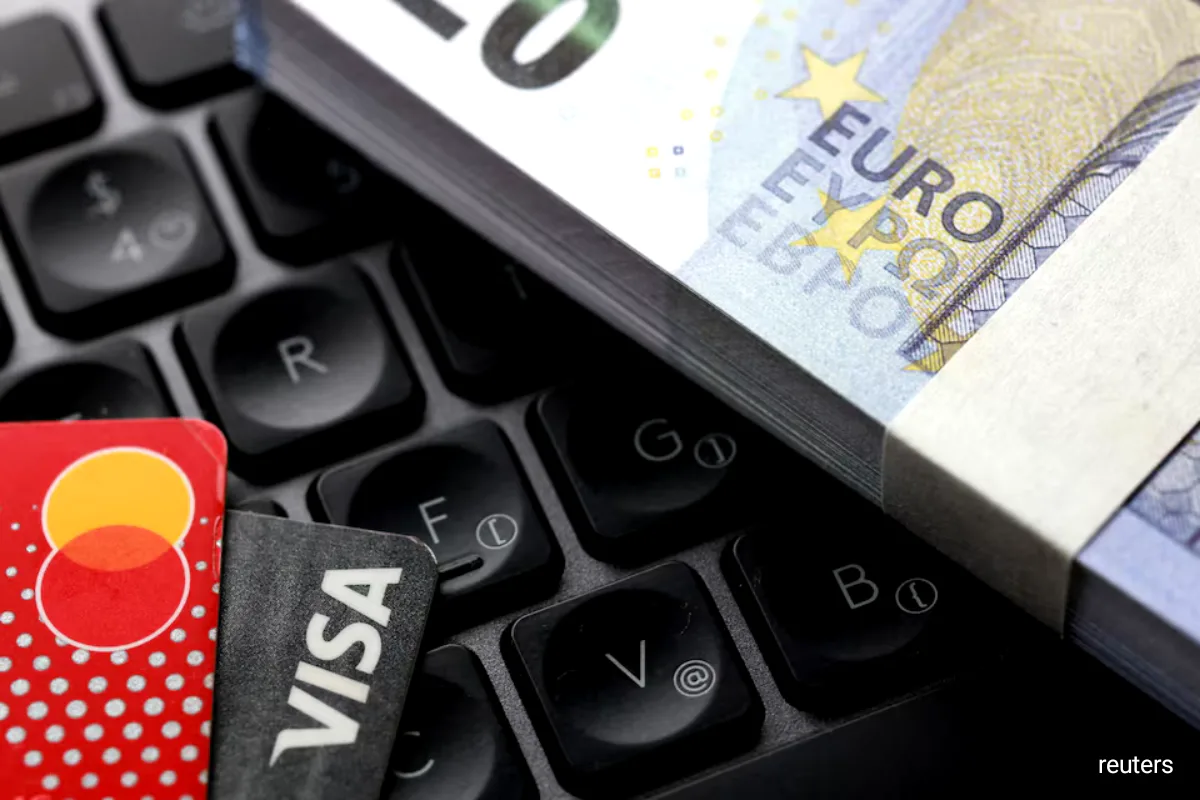
The digital euro project aims to reduce dependency on US payment giants like Visa and Mastercard amid strained transatlantic relations [2, 3]. However, some banks have voiced concerns about possible deposit outflows and losses, seeking to limit the digital euro’s scope [3, 4]. The far-right Europe of Sovereign Nations group voted against the proposal, with member Siegfried Frank Droese noting that a further vote in the full Parliament plenary may be needed [4].
If no objections arise at the plenary, final negotiations with EU governments and the European Commission are expected to start in July 2026, targeting approval by the end of the year [3, 4]. The ECB plans a 12-month pilot program beginning in the second half of 2027, followed by a full eurozone rollout in 2029 [1, 3, 5].
Countries including China, India, and Brazil have piloted digital currencies, while Britain continues research amid privacy and financial stability concerns [3, 4, 5]. The digital euro could provide a secure, sovereign alternative in this growing global digital currency landscape [2].