The Eurozone inflation rate climbed to 3.3% year-on-year in August 2026, marking the highest level in nearly three years and surpassing the European Central Bank's 2% target by a wide margin [1, 2, 3, 4, 5]. This rise was a jump from July's 2.9% inflation rate, signaling accelerating price pressures across the currency bloc [1, 6, 2, 3, 4].
Energy prices were the main driver behind the surge, with energy inflation increasing by 14.3% in August following a 10.3% rise in July [1, 2, 3, 4]. The increase stems largely from supply concerns linked to escalating tensions in the Middle East, including intensified US-Iran conflict and threats to the Strait of Hormuz, a vital oil transit route [1, 2, 3, 4]. Brent crude prices rose above $95 per barrel amid these developments, adding to inflation worries [7, 8].
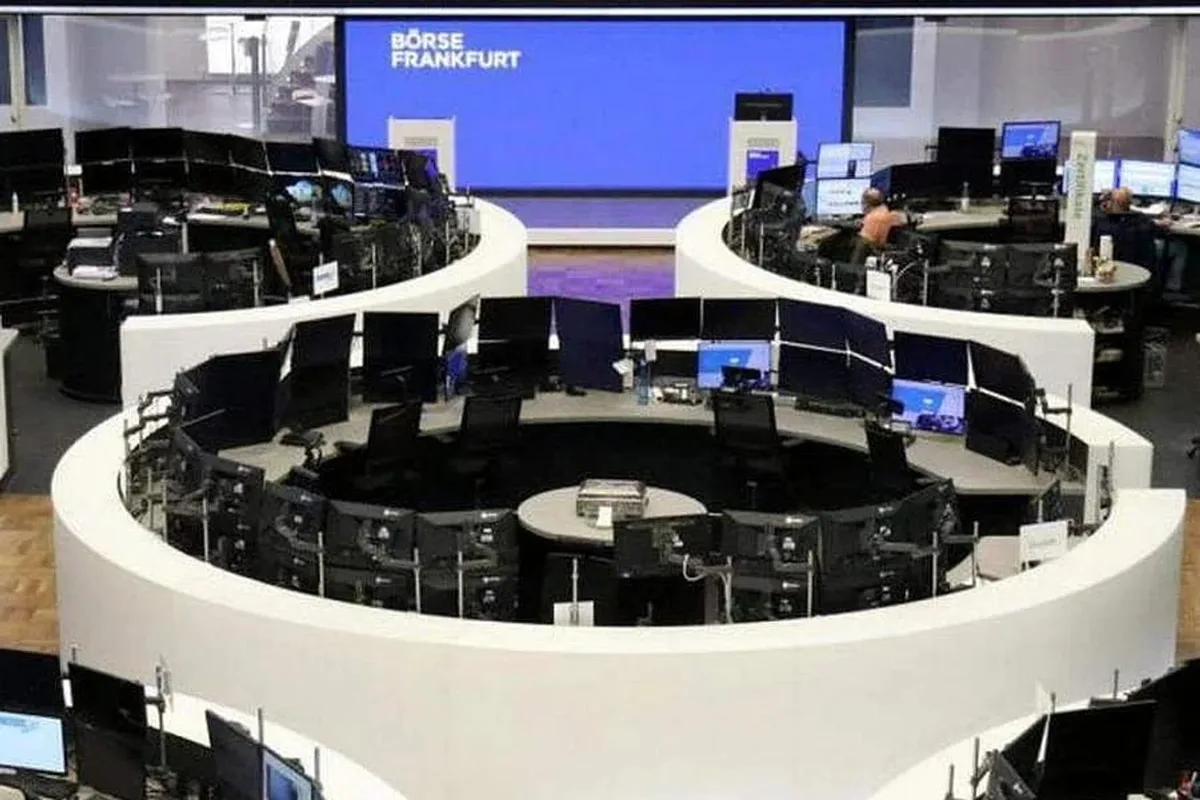
The rise in inflation impacted markets across Europe. On September 1 and 2, European shares fell to one-month lows, pressured by climbing bond yields and concerns over sustained price pressures [7, 8]. German 10-year government bond yields reached their highest level since April 2011, reflecting expectations of tighter monetary policy [8, 3]. IG chief market analyst Chris Beauchamp noted heightened investor interest in bonds for diversification as equities face rate hike risks and renewed inflation fears [7].
Despite inflation pressures, Eurozone manufacturing and economic activity showed resilience, according to analysts, supporting the view that growth remains relatively positive [7, 8]. Gordon Kerr, European macro strategist at KBRA, said the growth surprises provide some support amid concerns about high prices driving uncertainty [8].
Core inflation, which excludes food and energy prices, slightly eased to 2.4% in August, offering a limited glimpse of underlying price dynamics [4, 9]. However, ECB official Gediminas Simkus indicated that the September rate hike may not be enough to curb inflation. He pointed to rising gas futures, higher food prices, and stronger-than-expected European economic performance as signs that consumer price pressures will intensify further [4, 9].
Market participants currently fully price in a 25 basis point interest rate hike at the European Central Bank’s meeting scheduled for September 10, 2026, with speculation mounting for additional increases by year-end [7, 8, 3, 4]. As geopolitical risks and inflationary pressures persist, the ECB is expected to act decisively to bring inflation closer to its 2% target.
The next key event will be the ECB meeting on September 10, where policymakers are poised to raise interest rates amid ongoing inflation concerns and market volatility [1, 2, 3, 4].