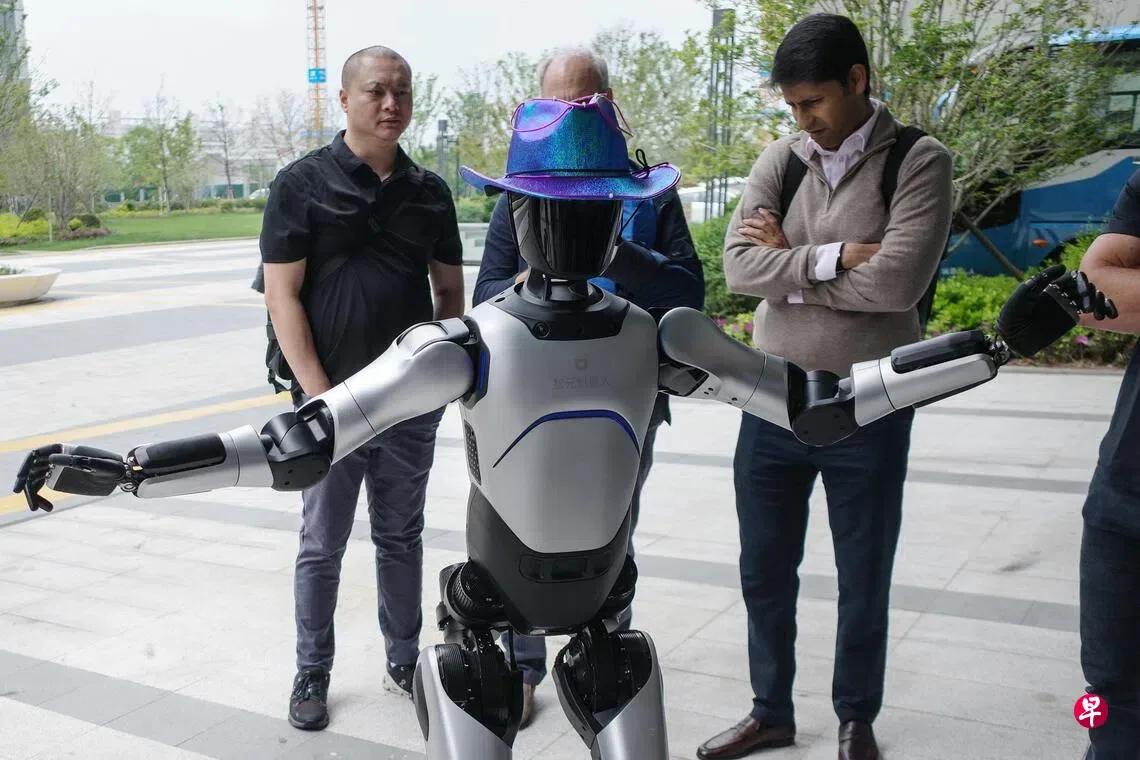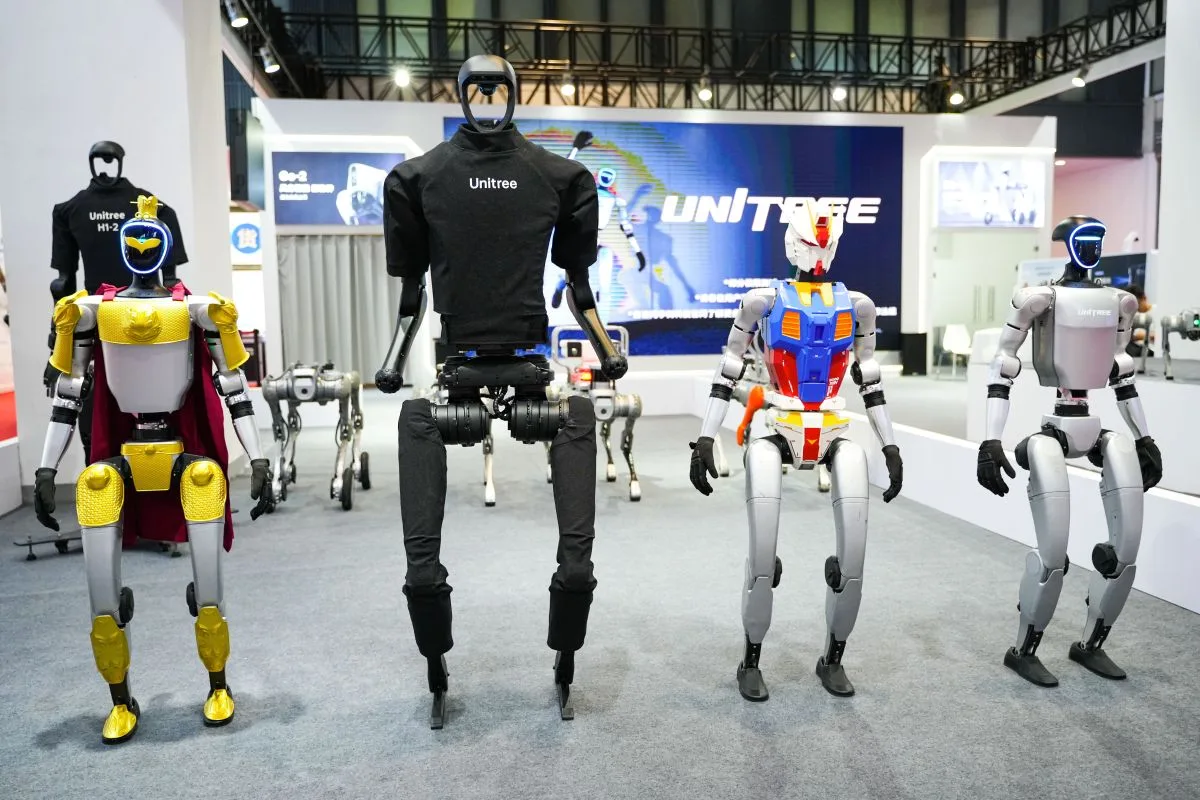
Foreign investors and entrepreneurs are traveling to China to visit factories featuring humanoid robots, AI models, and large electric vehicle plants, seeking direct access to the country's tech innovations. [1, 2, 3, 4, 5, 6] These visitors often pay as much as US$15,000 for five-day tours designed to showcase China's latest industrial breakthroughs. [1, 2, 3, 6]
Robert Wu, CEO of Shanghai data research firm Baiguan, has organized two such tours for over two dozen participants, about half of whom come from Southeast Asia. Wu said, "Right now, people are looking at China as an object of study and learning – a trend that barely existed just a few years ago." [1] He also noted that visitors sometimes arrive with misconceptions, such as assuming China's robotaxi sector outpaces the US, when domestic policy constraints actually slow development. [3]
Shanghai-based tech tour agency GloPen reported a 50% increase in inquiries this year, mainly from European and Singaporean clients. The agency runs over 100 single-day company tours monthly, indicating strong demand. [1, 2, 3, 6] Known visitors to China for these innovation tours include US investment firms Dimension, Capital Group, Thrive Capital, and tech podcaster Lex Fridman. [1, 2, 3, 6]
The industrial tourism sector in China generated US$17.8 billion in 2025 and is projected to exceed 300 billion yuan (roughly US$44.6 billion) by 2029, reflecting rapid growth. [1, 2, 3, 6] Shenzhen, a key tech hub, saw a 70% rise in foreign visitors in 2025 and more than 30% increase in the first quarter of 2026, with over 5 million foreigners entering the city by August. [2]
Czech entrepreneur Smejkal praised Shenzhen as unique, saying, "Almost every day, foreign startup founders contact me wanting to visit Shenzhen. There is no other place in the world like Shenzhen that puts technology at the core of urban development and integrates it so deeply into daily life." [2] Bertrand Chen, CEO of Global Shipping Business Network, added, "You cannot grasp the true scale, speed, and physicality of Chinese innovation without standing on the factory floor." [3]
Despite enthusiasm, experts caution against overstating China's advantages, noting that non-Chinese tech companies still control most global market share and hold the top intellectual property. [2]
The demand for factory tours and industrial visits shows no sign of slowing. The continued rise in foreign visitor numbers and the expanding scale of industrial tourism indicate a growing appetite for firsthand experience of China's tech advancements. [1, 2, 3, 6]