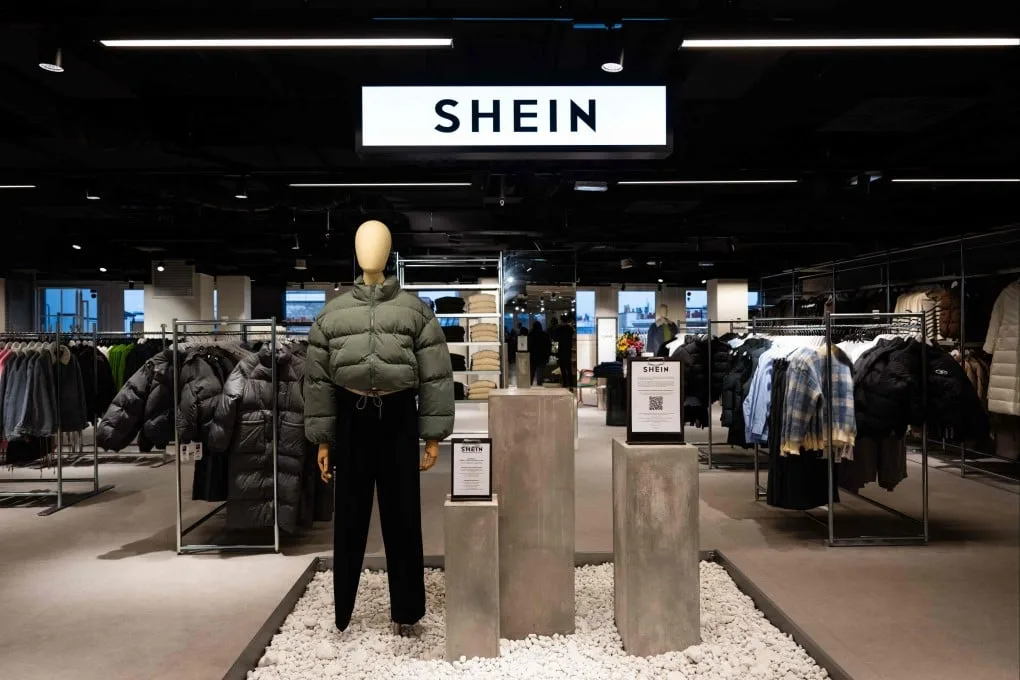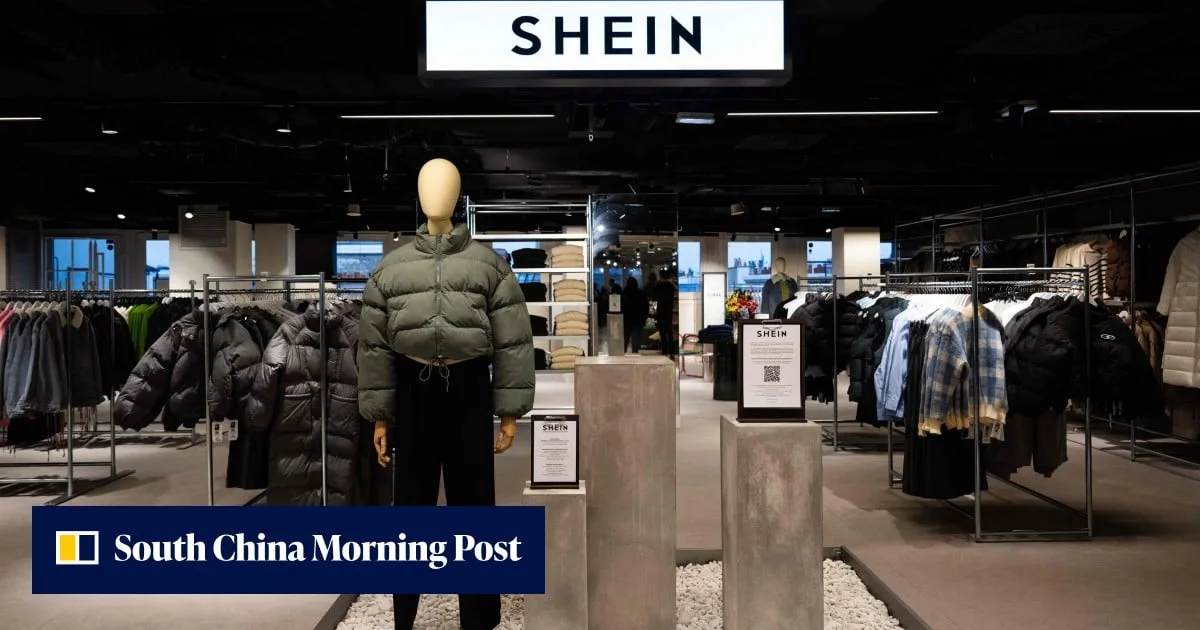
France started imposing a new fee on ultra-fast fashion products on September 1, 2026, targeting Asian e-commerce platforms such as Shein, Temu, and AliExpress that have grown popular in the country [1, 2, 3, 4]. The levy, introduced following legislation passed by the French parliament in June 2026, aims to regulate companies known for selling large volumes of low-quality clothing at very low prices [1, 2, 3, 4].
The fees in 2026 range from €0.50 per item for underwear to €12 for jackets, with midpoints including €2 for T-shirts and €9 for jeans. These rates are set based on the volume of clothing placed on the market and the cost of repairing garments relative to purchase price [1, 2, 3, 4]. By 2030, the levy could rise up to €19.50 per item but is capped at 50% of the pre-tax retail price [2, 3, 4].
French Minister for Ecological Transition Mathieu Lefevre said on August 28, 2026, that "the harmful effects of ultra-fast fashion on our environment and our economy are well known and documented" [2]. The French government excludes European retailers such as H&M and Zara from the levy, which has drawn criticism for sparing European and French companies [2, 3, 4].
To ensure compliance, France is developing a data-collection tool rather than relying solely on company declarations [2, 3, 4]. Meanwhile, Shein was valued at US$26.3 billion in its Hong Kong IPO on August 31, 2026, but declined to comment on the fee [2, 3, 4].
China warned in July 2026 that it could retaliate over the French law [2, 3]. The European Commission raised questions about the levy’s compatibility with EU law, but French officials say concerns have been resolved and no blocking is expected [2, 3].
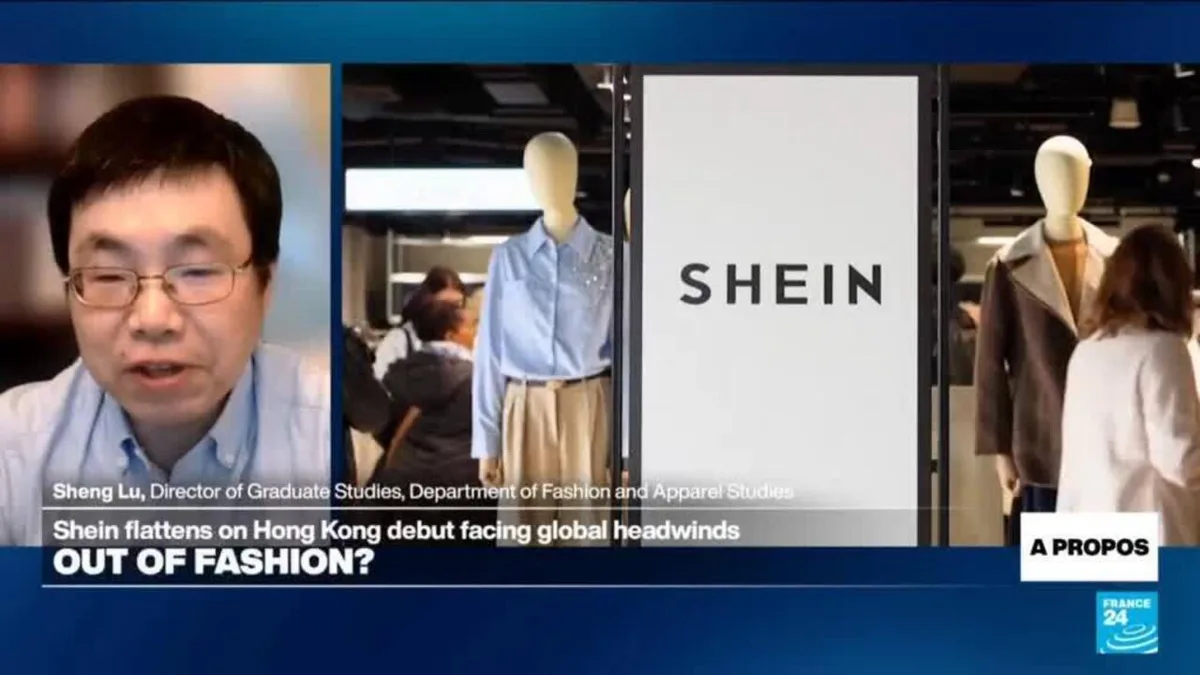
On the same day the levy took effect, a European textile federation called for a €10 import fee on fashion imports to curb competition from ultra-cheap foreign goods, mainly from China [5]. Dr Sheng Lu, a professor at the University of Delaware, noted the challenges ahead for companies like Shein, saying fast-fashion retailers "may have to start to contend with consumer fatigue" [5].
The new levy marks a concrete step in France’s effort to limit environmental and economic harm caused by ultra-fast fashion. The legislation’s impact will be reviewed as the fees escalate towards 2030.