Global airline leaders gathered in Rio de Janeiro from June 6 to June 8, 2026, for the annual International Air Transport Association (IATA) summit to confront rising fuel costs and aircraft shortages affecting the industry [1, 2]. IATA, representing more than 370 airlines covering about 85% of global air traffic, had forecast a record net profit of US$41 billion for 2026 before the war in Iran increased fuel prices and disrupted airspace [1, 2].
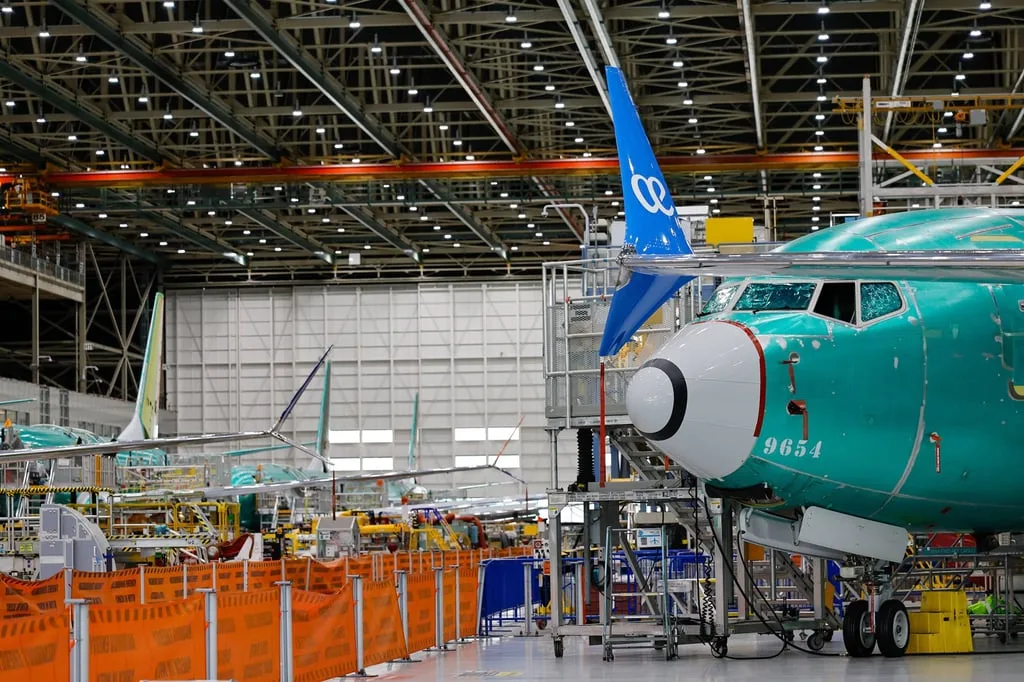
The conflict in Iran has driven a fuel shock, elevating jet fuel prices rapidly. Combined with significant aircraft delivery delays from Boeing and Airbus, airlines must operate older, less fuel-efficient jets longer, increasing operational costs [1, 2]. A Deloitte survey published the week ending June 7, 2026, of 21 global airline CEOs found fuel price volatility and inflation topped the list of risk concerns. The report noted, "Together, they’ve turned what was supposed to be a record year into a fight for margin" [1, 2].
Brazil's Azul airline announced plans to reduce more flights in response to soaring jet fuel costs, with CEO John Rodgerson saying, "Azul is planning to trim more flights to meet demand due to higher jet fuel prices" [2]. Similarly, Air New Zealand CEO Nikhil Ravishankar said, "The market will respond and demand will soften and then you fly less," emphasizing constraints on raising ticket prices without losing passengers [2].
Airlines face challenges absorbing sudden fuel price hikes because tickets are often sold weeks or months ahead, limiting immediate fare adjustments. Longer routes further increase fuel burn and reduce efficiency [2]. Despite cost pressures, travel demand remains strong in key markets, particularly among premium and corporate travelers, allowing some airlines room to increase fares [2].
Industry executives and analysts expect IATA to revise 2026 profit forecasts downward amid the combined challenges of fuel price spikes and aircraft shortages discussed at the summit [1, 2]. The 2026 summit was a key moment for airline leaders to assess strategies amid an uncertain operating environment.
The Deloitte survey highlighted how volatility in fuel prices continues to dominate airline risk planning as of early June 2026, underscoring the need for ongoing cost control and financial health management [2].