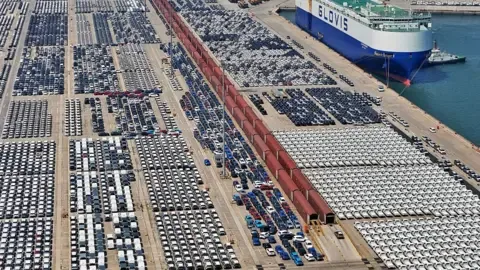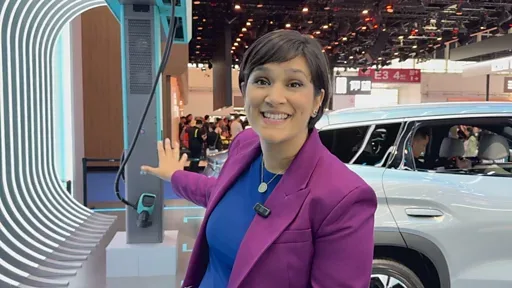
Western carmakers are struggling to compete with Chinese rivals in electric vehicles, batteries, and software, according to reports from Auto China 2026 held today in Beijing [1, 2, 3]. Foreign car brands’ market share in China has plunged from 64% in 2020 to just 32% in 2026 [2, 3]. Chinese companies now export across more than 315 EV-related product categories, nearly doubling from 163 categories a decade ago [1, 2, 3].
The International Energy Agency estimates producing a small electric SUV in China costs at least 30% less than in developed economies, thanks to cheaper batteries and integrated supply chains [1, 2, 3]. Chinese EV makers such as BYD, Chery, and SAIC are expanding globally despite EU tariffs of up to 45%, pushing into Europe and emerging markets [2, 3]. Consumer tech giants like Xiaomi, Huawei, and Alibaba also build electric vehicles, accelerating innovation by integrating smart features and software [1, 2, 3].
Western automakers are responding with joint ventures and technology acquisitions. Stellantis signed a 1 billion euro deal with Chinese Dongfeng to produce Peugeot and Jeep models in China and export abroad [2, 3]. Volkswagen invested $700 million in April to acquire XPeng’s software and autonomous driving technology to develop next-generation EVs [2, 3]. Yet some products struggle: Audi’s China-specific E5 model underperformed critically, prompting significant price cuts for weak demand [2, 3]. General Motors posted multibillion-dollar write-downs on China operations amid a 21% sales drop in Q1 2026 [2, 3].
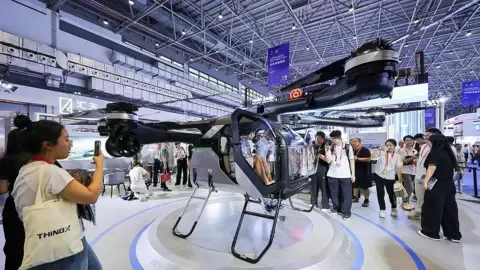
Japanese carmakers lag behind in pure EV transition, losing market traction to Chinese brands in China and Southeast Asia [2, 3]. Honda CEO Toshihiro Mibe said bluntly, "We have no chance against this," while Ford CEO Jim Farley called the challenge "a fight for our lives" [1]. Shanghai-based analyst Bill Russo argued that "the biggest mistake that the developed world is making is believing that the transition is only about electric cars," pointing to broader next-gen mobility and tech battles [1]. He added that Chinese companies "are not racing the West anymore. They're racing each other" [2]. XPeng CEO He Xiaopeng said, "In the next 10 years, any car company will also be a robot company," reflecting the tech-driven vision [2].
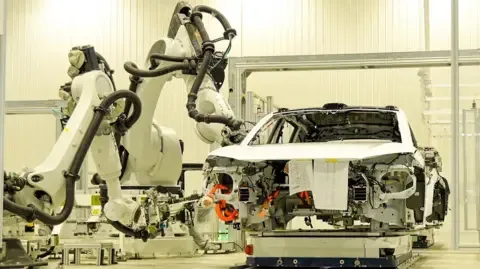
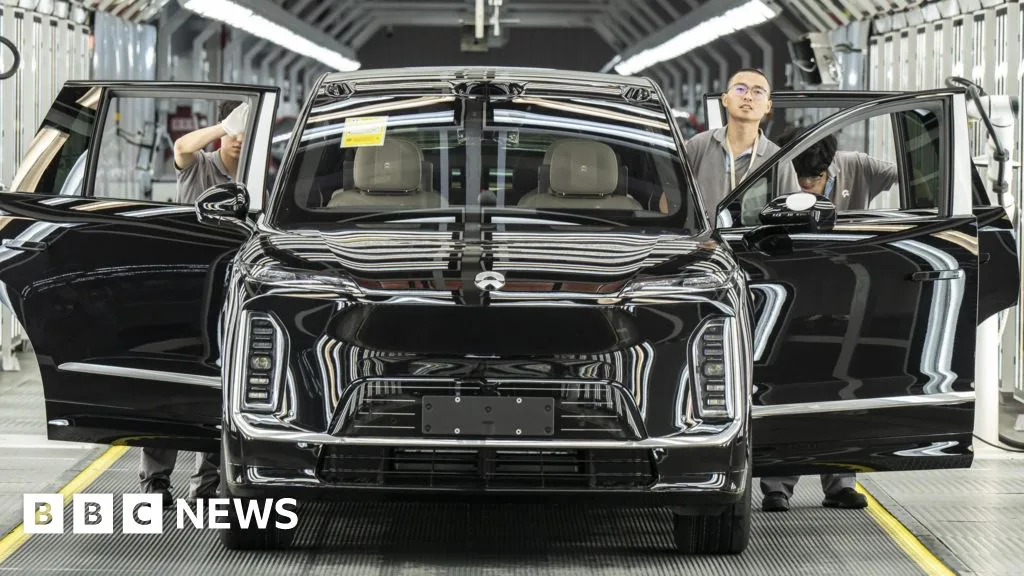
Chinese EV factories demonstrate high automation, with Xiaomi's plant producing one vehicle every 76 seconds [2, 3]. BYD unveiled battery tech enabling ultra-fast charging adding 400 km range in about five minutes [2, 3].
Chinese luxury EVs also top sales domestically, with Huawei’s Maextro S800 outselling imported rivals like Porsche Panamera and BMW 7 Series [2, 3]. However, market growth has slowed due to overcapacity and price wars, which experts say is pushing Chinese manufacturers to accelerate overseas expansion [2, 3].
The latest Auto China event highlighted increasing urgency among Western firms to adapt to China’s rise in EV manufacturing and technology. The industry will watch closely how joint ventures and acquisitions influence the competitive balance in coming months.