Global semiconductor stocks suffered sharp declines on July 16-17, 2026, as investors fretted about the sustainability of AI-related capital expenditures and high valuations [1, 2, 3, 4]. Taiwan Semiconductor Manufacturing Co. (TSMC) raised its 2026 capital expenditure forecast to US$60 billion–US$64 billion from an earlier US$52 billion–US$56 billion guidance. Despite reporting strong second-quarter profits, investor unease sparked a 7.3% drop in TSMC shares on July 17 in Taipei [1, 2, 4, 5].
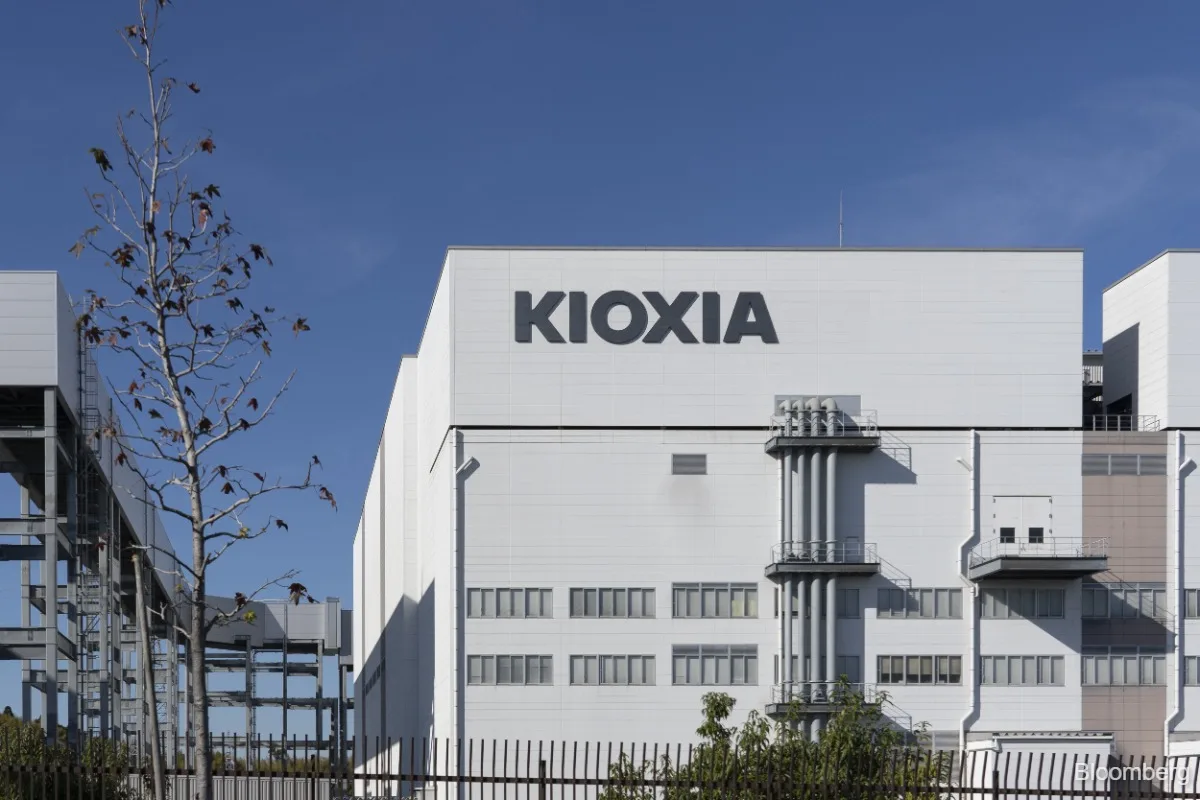
Japanese chipmaker Kioxia saw its value fall dramatically, with shares plunging about 16% on July 17, down roughly 52% from their mid-June peak after a remarkable surge earlier in 2026 fueled by AI enthusiasm [6, 5, 7]. Major Asian markets reflected the selloff: Japan's Nikkei fell up to 4%, Taiwan’s Taiex eased 4-6.5%, and South Korea's Kospi dropped 4.5% (although markets were closed July 17) [3, 4, 8, 9, 10].
U.S. stock futures declined alongside chip stocks, with the Nasdaq 100 down about 1.8% and S&P 500 futures off 0.9% on July 17. The weakness followed new AI model announcements from Chinese startup Moonshot, which unveiled the Kimi K3, a large AI model rivaling U.S. frontier systems [11, 12, 10]. The Philadelphia Semiconductor Index tumbled over 20% from its June 22 record close, nearing bear market territory [3, 12, 5, 10].
Geopolitical tensions also weighed on markets. U.S. strikes on Iran and retaliatory attacks disrupting the Strait of Hormuz shipping route contributed to rising oil prices, hitting around US$82 per barrel on July 17, and increased economic uncertainty [1, 2, 12, 8, 9, 10]. David Russell of TradeStation warned, "Energy saved the day in June, but that might become ancient history if the Strait of Hormuz doesn’t open soon" [8].
Investors and analysts cited doubts whether the massive sums committed to AI infrastructure would generate sustainable returns. Forex.com's Fawad Razaqzada said, "Some investors are increasingly questioning whether the enormous sums being committed to AI infrastructure can generate sufficient returns within a reasonable timeframe" [3]. Miller Tabak’s Matt Maley noted, "The action in chip stocks is the most important issue for the stock market. They are showing cracks and will need a strong rebound soon or face warning flags" [1]. Daiwa Securities’ Yugo Tsuboi added that "the chip sector is vulnerable to the silicon cycle" and profit-taking has intensified as memory price gains may be plateauing [6].
Despite the selloff, some analysts maintain a medium-term bullish view on semiconductor firms like Kioxia based on forecast earnings growth and index inflows [6, 7]. However, pressure extended beyond chips. Netflix shares declined after forecasting a second consecutive quarter of slowing sales growth, adding to tech sector weakness [1, 2, 10]. Rosenblatt Securities’ Michael James described the environment as "very shaky" heading into next week [12].
Investors will watch upcoming earnings reports and geopolitical developments closely as chip stocks remain volatile. The next key test is whether the semiconductor sector can stabilize and regain momentum amid ongoing AI spending debates and external uncertainties.