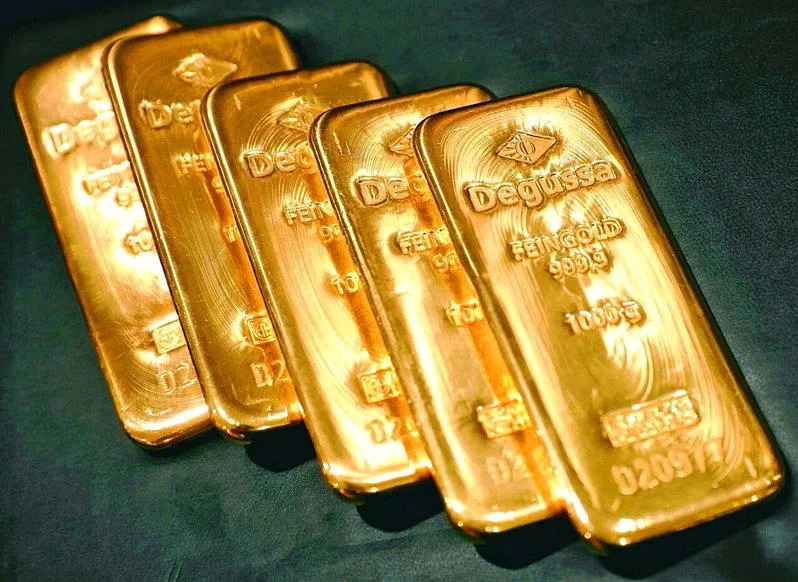
Global central banks and official institutions increased net gold reserves by 289 tons in Q2 2026, a 62% rise year-on-year and the highest quarterly purchase volume in nearly four years [1, 2]. This buying contributed to stable global gold demand of 1,269 tons in the quarter, with total demand in the first half of 2026 reaching 2,522 tons, up 2% compared to the same period last year. The total value of gold demand in H1 2026 was a record approximately $380 billion USD [3, 2].
China’s gold demand dropped sharply by 41% year-on-year in Q2 2026 to 155 tons, marking its weakest quarter since 2022 [1, 4, 3, 2, 5]. This decline was driven mainly by a 28% fall in jewelry demand and a 22-ton net outflow from Chinese gold ETFs, which saw record withdrawals worth 20 billion RMB. Investors favored stronger domestic equities amid weakening gold price momentum [3, 5].
Despite the volume drop in jewelry purchases, spending by Chinese consumers on gold jewelry remained resilient. Total jewelry spending in China for the first half of 2026 increased 2% year-on-year, reaching 141.9 billion RMB [1, 3, 2, 5]. Meanwhile, China’s central bank, the People’s Bank of China, added 33 tons to its official gold reserves in Q2 2026. This marked 20 consecutive months of gold buying and brought China’s official reserves to 2,346 tons by the end of June 2026 [2, 5].
Gold ETFs globally experienced outflows in Q2 2026 totaling about 45 tons, worth roughly $4 billion USD [6, 2]. Several official institutions in countries including Turkey, Russia, and Azerbaijan sold gold in the first half of 2026, partly due to geopolitical conflicts and budgetary pressure [6, 7]. However, demand for gold in electronics increased by 4% year-on-year in Q2 2026, driven by investments in AI infrastructure such as servers and semiconductors [8]. Industrial and decorative gold demand fell 7%, with dental use declining 6% as ceramic substitutes gained ground [8].
The report also revised global central bank gold purchase figures for Q1 2026 sharply downward from an earlier estimate of 244 tons to only 57 tons, the lowest first quarter level in over 15 years [6, 7]. World Gold Council Market Strategist John Reade noted that such revisions reflect changing market behaviors as data monitoring influences central bank trading patterns [6]. World Gold Council Senior Market Analyst Louise Street said, "Despite gold ETF outflows linked to price volatility, sustained central bank buying and growth in over-the-counter investment helped push total global gold demand up 2% in the first half of the year." [3]
The World Gold Council published these detailed Q2 2026 demand trends on July 30, 2026 [1, 4, 3, 2, 5, 8]. China’s ongoing central bank buying streak and fluctuating investor sentiment signal further shifts to watch in coming quarters.