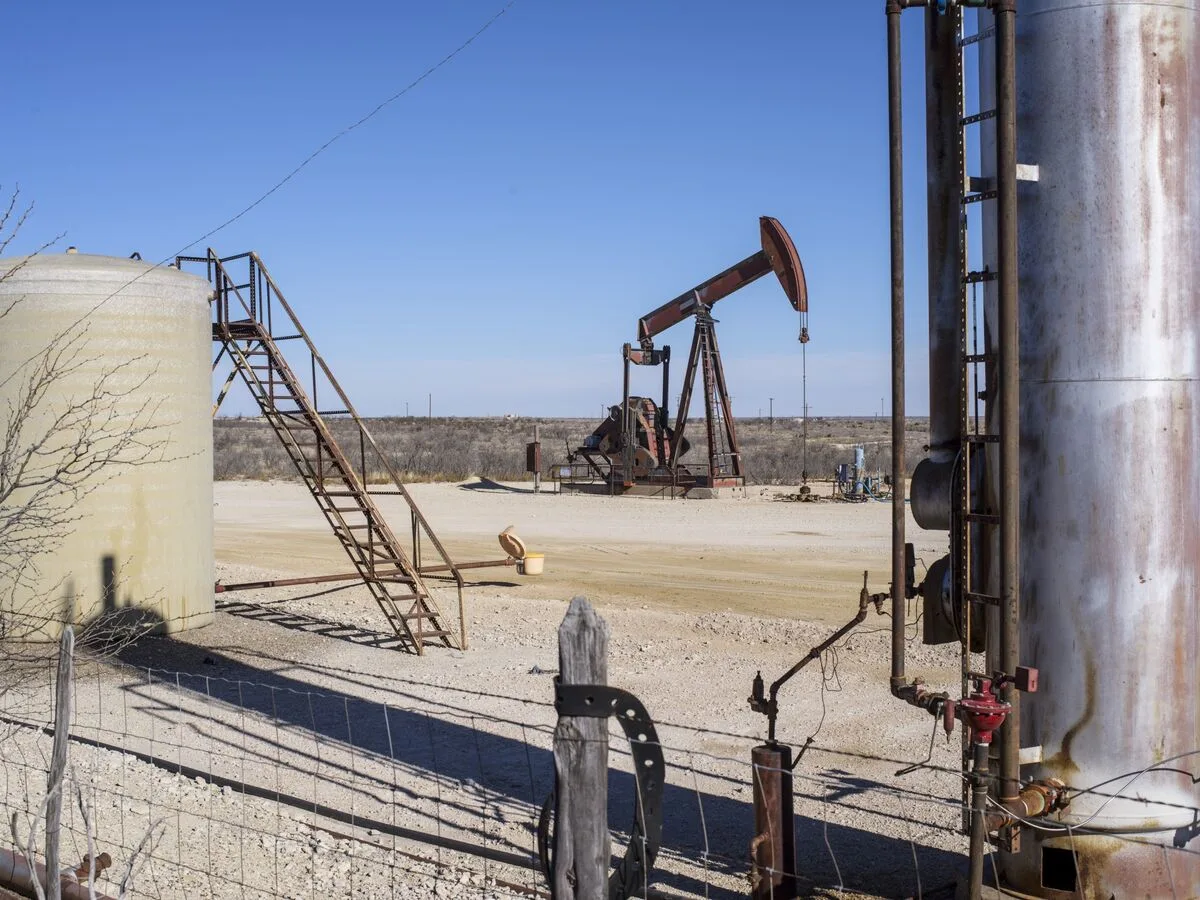
Oil prices stabilized near recent levels ahead of the May 14 meeting between US President Donald Trump and Chinese President Xi Jinping in Beijing, as tensions persist from the ongoing Iran conflict. Brent crude traded around $106 a barrel while West Texas Intermediate hovered near $101 a barrel on the day [1, 2]. The talks focus mainly on trade, with Trump saying trade discussions will take precedence over Iran war issues [1, 2].
Hostilities in the Iran conflict, which began in late February 2026, cut crude and fuels flow through the Strait of Hormuz by nearly 6 million barrels per day during the first quarter, according to energy flow data [2]. A fragile ceasefire has held since early April but with little progress on a full peace deal between the US and Iran [2]. On May 14, oil prices edged higher following incidents near UAE waters, including the sinking of an Indian cargo vessel and seizure of another ship heading to Iran [3]. Iran state media also reported Chinese vessels crossing the Strait of Hormuz coinciding with fluctuating oil prices [3].
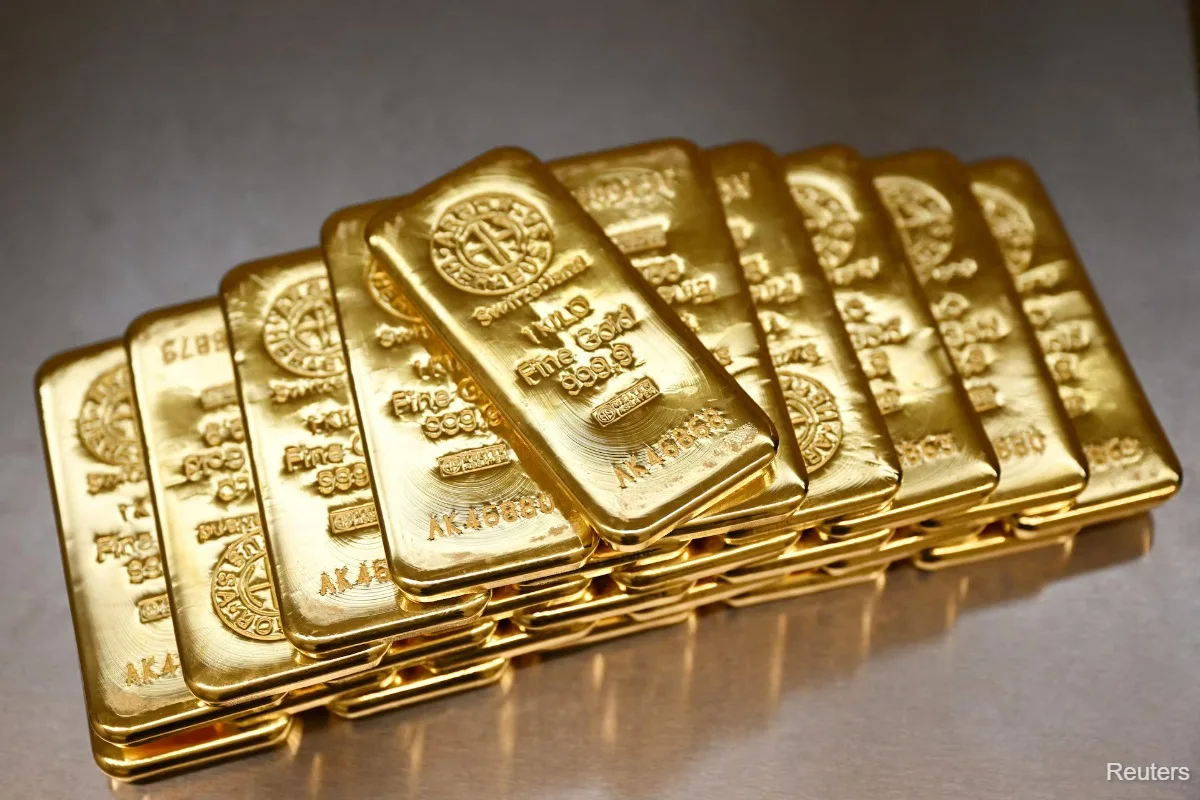
Gold prices remained steady, trading in a tight range from roughly $4,688 to $4,730 per ounce over the early to mid-May period, with US gold futures for June delivery showing slight fluctuations between $4,685 and $4,742 [4, 5, 6, 7]. Investors awaited the outcome of the Trump-Xi summit while monitoring Iran developments. Brian Lan, managing director at GoldSilver Central, said, "Gold seems to be consolidating at the moment as everybody is looking at what's going to happen in the high-level talks between the US and China. (Gold) is a bit downward-biased and I think that is also a window for investors who are looking to come into the metal." [4]
Downward pressure on gold comes from higher US inflation and rising interest rates. The US Federal Reserve is unlikely to cut rates this year given inflation and energy costs, with Kevin Warsh recently confirmed as Fed chair succeeding Jerome Powell [4, 5, 6, 7]. The US dollar strengthened 0.3% on May 14, further weighing on gold prices [3]. Peter Grant, VP and senior metals strategist at Zaner Metals, said, "What’s transpired in the strait today is underpinning oil and continuing to stoke the higher-for-longer Fed rate expectations. Combine that with this week’s hot inflation data and it’s not surprising to see a firmer dollar, which is putting gold under some pressure today." [3]
Weak demand and investor selling have hit India’s gold market, where import duty hikes to 15% and an import cap at 100 kilograms raised discounts to over $200 an ounce [4, 7, 3]. Indian gold discounts widened amid these restrictions, according to market observers.
Xi Jinping told Trump that trade talks were making progress but raised concerns about Taiwan potentially harming bilateral relations, though the US summary did not mention Taiwan [3]. Bart Melek, global head of commodity strategy at TD Securities, warned, "There is risk of a significant downturn (in gold) if this Middle East conflict isn’t resolved. Energy product inventories and supply could become constrained leading to even higher energy costs and inflation." [3]
Trump and Xi met in Beijing on May 14 to discuss trade and the Middle East issues. Oil and gold markets remained focused on outcomes from that summit and ongoing Iran tensions as the ceasefire continues with minimal peace progress [1, 2, 7, 3].