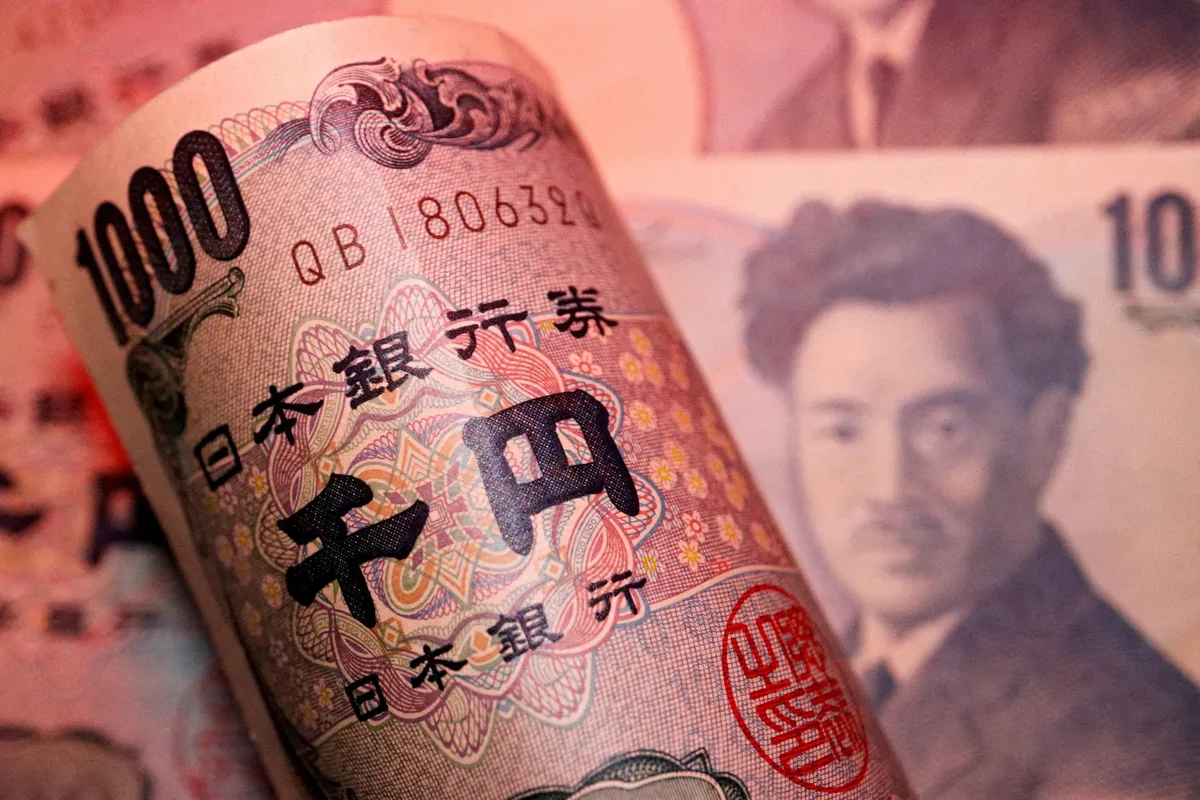
Hedge funds raised their short positions on the Japanese yen to nearly 138,000 contracts as of June 30, marking the most bearish stance on the currency since 2007. This data was released by the US Commodity Futures Trading Commission on July 6 and reflects a surge in leveraged short selling against the yen [1, 2, 3].
The yen has weakened significantly amid these market moves, trading above 162 yen per US dollar. This is the weakest level for the yen since 1986 [1, 2, 3]. The currency’s decline is driven primarily by the growing interest rate differential between Japan and countries such as the US, which has attracted speculative short positions [2, 3].
Japanese authorities responded to the decline with unprecedented currency intervention, spending a record 11.73 trillion yen (around US$72.7 billion) from April 28 to May 27 to defend the yen against depreciation [2, 3]. Despite these efforts, the yen has continued to slide.
Finance Minister Satsuki Katayama emphasized that the government remains on alert, stating she and her colleagues "can take appropriate action on foreign exchange at any time" to stabilize the currency [3].
The Bank of Japan raised interest rates in early June in an attempt to support the yen, but the move has so far had limited impact [2, 3]. Meanwhile, Prime Minister Sanae Takaichi’s large fiscal spending plans and preference for monetary easing continue to weigh on the currency [2].
The Japanese government is expected to approve a draft annual economic and fiscal policy in mid-July that will stress the importance of monetary management more strongly than last year [2].
Recent weeks have seen escalating pressure on the yen from market speculation and macroeconomic factors, with authorities poised to act should further volatility arise.