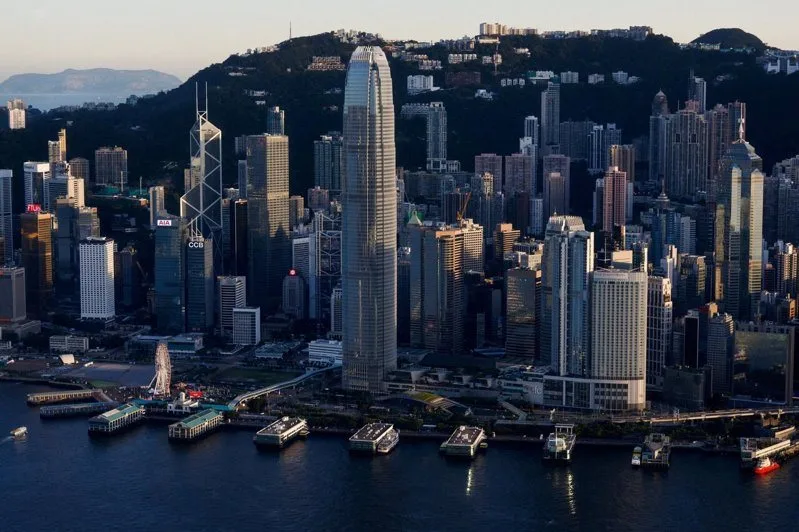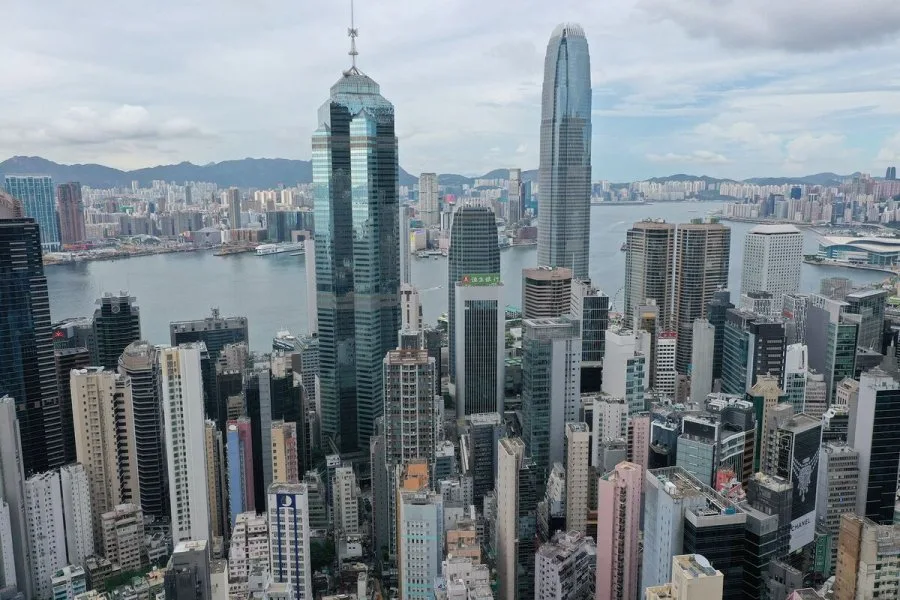
Hong Kong became the world's largest offshore wealth center in 2025 after its managed offshore assets grew 10.7% to $2.95 trillion, surpassing Switzerland's $2.946 trillion for the first time [1, 2, 3, 4, 5, 6, 7]. The growth in Hong Kong was fueled by mainland China capital inflows, which account for approximately 60% of its wealth management assets, alongside a revived IPO market and a recovering local stock market [1, 2, 3, 4, 6, 8, 7].
Swiss offshore assets also grew but at a slower pace of 7.6% in 2025, underscoring Hong Kong's accelerating rise in the sector [1, 3, 7]. Boston Consulting Group (BCG) projects the gap between Hong Kong and Switzerland will expand to nearly $600 billion by 2030, as Hong Kong and Singapore continue to grow at an annual pace of around 9%, compared to Switzerland's 6% growth forecast [1, 2, 4, 5, 6, 8].
Michael Kahlich of BCG noted, “We observe that wealth creation, cross-border capital flows and investment ecosystems are increasingly concentrating in a few highly interconnected global centers” [1]. He also commented on Hong Kong’s ascent, describing it as a reflection of Asia’s growing wealth and capital market appeal [3]. Hong Kong Financial Secretary Xu Zhengyu said the city’s status as a safe financial haven was strengthened amid shifting global economic centers and geopolitical tensions [3].
Hong Kong's offshore ecosystem has expanded rapidly. By the end of 2025, the number of single-family offices—each managing at least $10 million—reached 3,384, a 25% increase year-on-year, with more than 1,000 managing assets above $100 million [1, 2, 6, 7]. Swiss banks such as UBS continue to lead wealth management services in Hong Kong and Singapore, which are increasingly focused on serving Asian capital, while Switzerland, the US, and the UK remain key for European, Middle Eastern, and Latin American wealth [4, 5, 1, 2, 4, 6, 7].
Global private wealth increased at the fastest rate since 2021, with cross-border wealth flows rising 8.4% in 2025 to $15.7 trillion, despite geopolitical and trade uncertainties [1, 3, 7]. Wealthy individuals seek geographic diversification to reduce risks, which supports Hong Kong’s growing importance [8]. Other centers like Dubai and the UAE develop as complementary offshore hubs but still trail Hong Kong and Switzerland in scale [8].
Michael Pellman Rowland of Baseline Wealth Management called Hong Kong’s rise “an entirely unprecedented phenomenon” [8]. BCG highlighted proximity to clients as a key factor in cross-border wealth management's growth [4]. Kahlich added this trend consolidates the dominance of the largest asset booking centers globally [8].
Hong Kong’s offshore wealth growth continues to reshape global capital flows, with major private wealth shifts expected in the coming years. The gap between Hong Kong and Switzerland is forecast to widen further by 2030, marking a new chapter in offshore asset management competition [1, 2, 4, 6, 8].