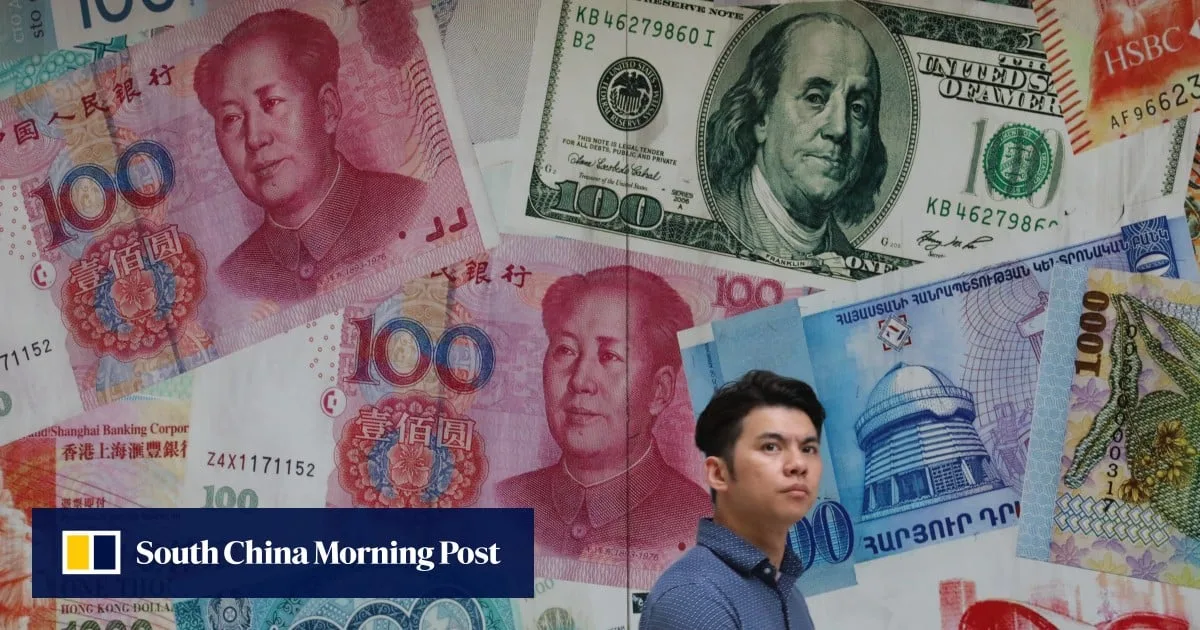
Hong Kong is actively considering launching an offshore renminbi (yuan) venture capital fund to channel capital into cutting-edge technology and emerging industries while supporting yuan internationalisation, Financial Secretary Paul Chan said in his weekly blog last Sunday [1].
The fund will focus on investments in artificial intelligence, biotechnology, new energy, green technology, fintech, health tech, aerospace, and other innovative sectors, according to Hong Kong Investment Corporation (HKIC), the government investment arm expected to manage the fund [2].
Established in 2022 to boost the city’s innovation and technology sector, HKIC currently oversees HK$62 billion (US$8 billion) in government funds as of March 2026 [3]. HKIC CEO Clara Chan confirmed the government's plan for the yuan-denominated venture fund at a Legislative Council meeting on or just before August 21 [3, 2].
HKIC has posted strong returns, earning HK$2.3 billion (US$293 million) in 2024 and achieving a double-digit internal rate of return in 2025, surpassing the typical J-curve curve seen in new venture funds. "Many overseas funds have a J-curve performance... But we have already bypassed the J-curve," Clara Chan said [3].
Paul Chan said the fund will leverage offshore renminbi capital to support innovation and technology as a new driver of economic growth aligned with China’s 15th Five-Year Plan (2026-2030) [1]. HKIC expects investee companies to establish offices in Hong Kong and prioritize listings in the city, viewing the fund as a strategic tool to boost Hong Kong’s development [2].
Additional government funding will be injected into HKIC soon to support the new initiatives, as existing funds are nearly fully invested [3]. Many offshore yuan investors are eager to use the new fund to deploy their capital [2].
Benjamin Quinlan, CEO of Quinlan & Associates, said companies with mainland or Hong Kong founders aiming to go global could be prime candidates for the fund, especially if they can use Hong Kong as a platform for R&D, financing, expansion, or listing [2].