The Hong Kong government has introduced a sweeping tax bill that would exempt carried interest and performance fees from taxation for hedge funds and asset managers if passed by the legislature [1, 2, 3]. The proposed reform aims to reduce the effective tax rate on qualified carried interest to zero at both the firm and employee levels, applying retroactively from April 2025 [3].
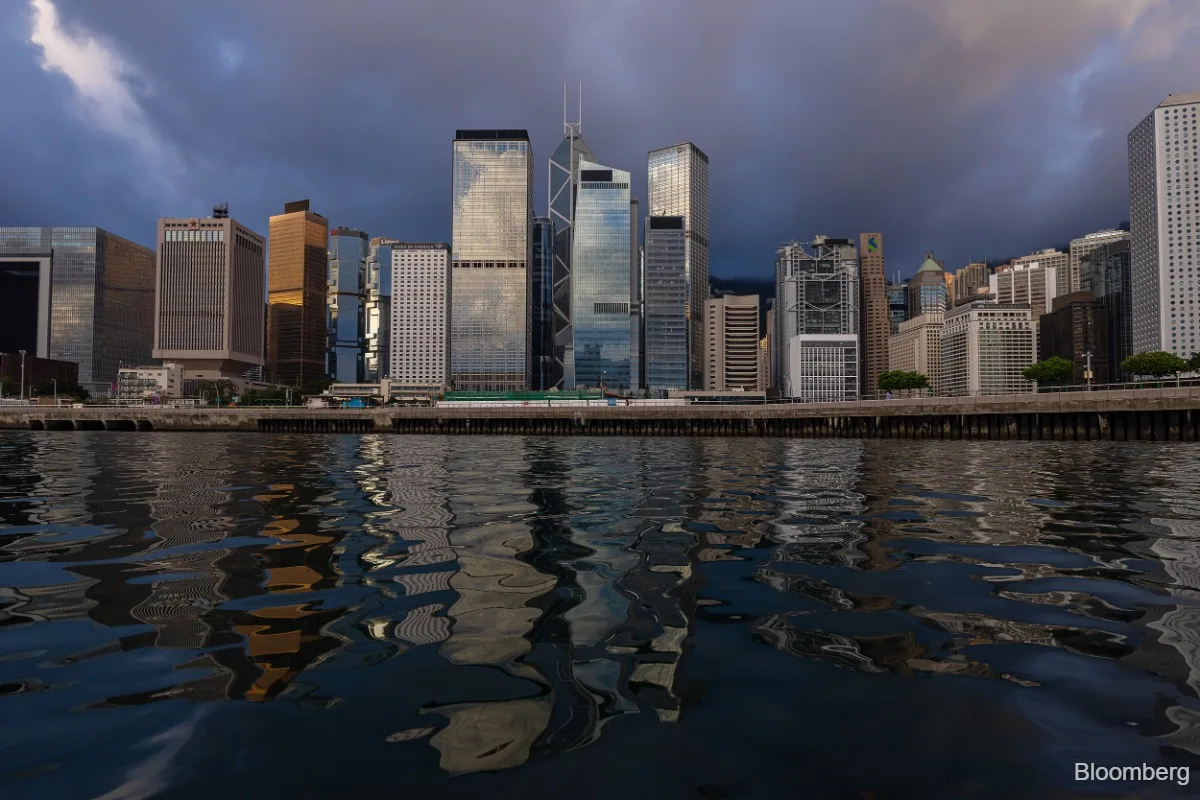
The tax exemptions would cover a broad range of funds including private equity, family offices, physical commodities, and cryptocurrency funds [3]. Hong Kong’s asset and wealth managers currently oversee about US$5.4 trillion in assets, making the region a major financial hub [1, 2, 3].
This proposal seeks to boost Hong Kong’s competitiveness against rival financial centers such as Singapore and Dubai, which have also been discussing similar tax incentives [1, 2]. Gaven Cheong, partner at Charles Russell Speechlys, said, “There’s definitely a lot of excitement and we’ve had a lot more requests for proposals to get licences in Hong Kong” from fund managers across the Middle East, Greater China, Asia, and Europe [1].
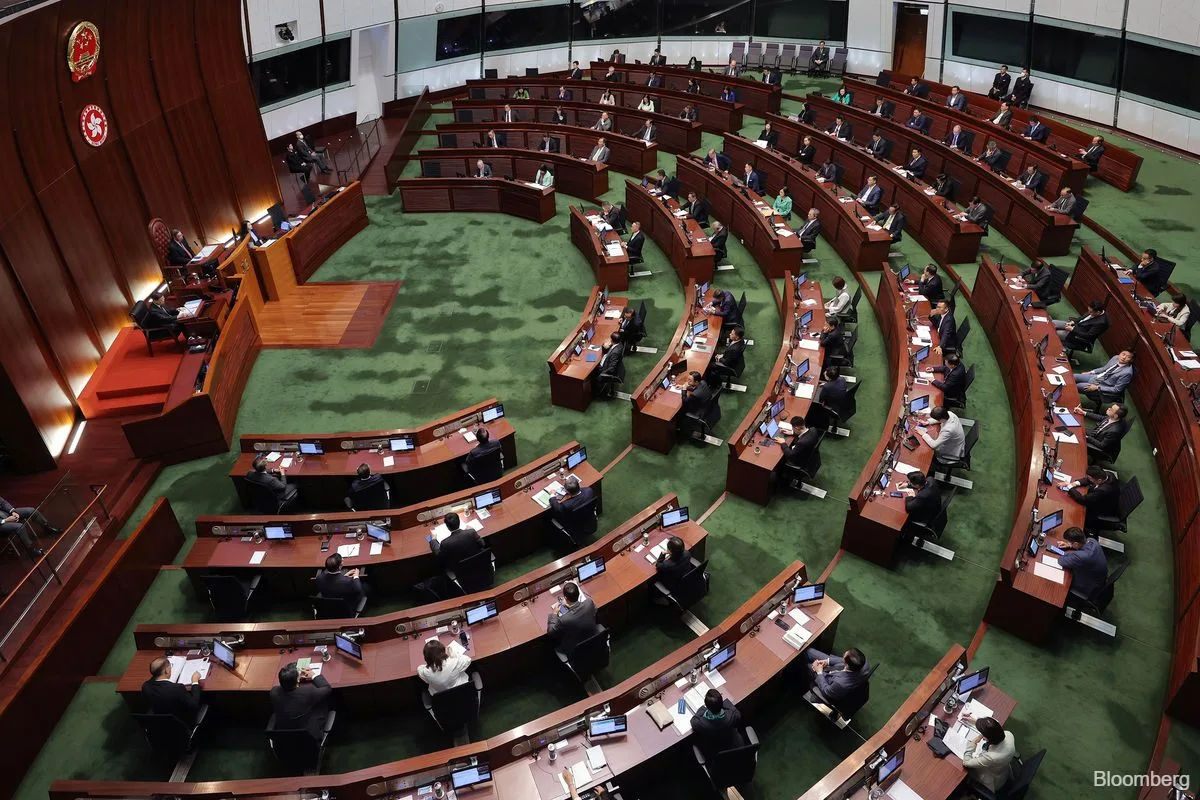
The bill is still under review by lawmakers as of mid-August 2026, with reactions from industry participants already underway [1, 2]. Investment banks have expressed concerns that the tax changes could cause an exodus of proprietary traders [1, 2]. Meanwhile, some smaller hedge funds are considering contract rewrites to extend tax-free bonuses even to administrative staff [1, 2].
Singapore is reportedly awaiting the final details of Hong Kong’s rules before deciding on its own hedge fund tax cuts, following talks with the industry [1, 2]. The retroactive tax exemption, starting April 2025, is a significant feature that could shape regional fund flows if the bill passes [3].