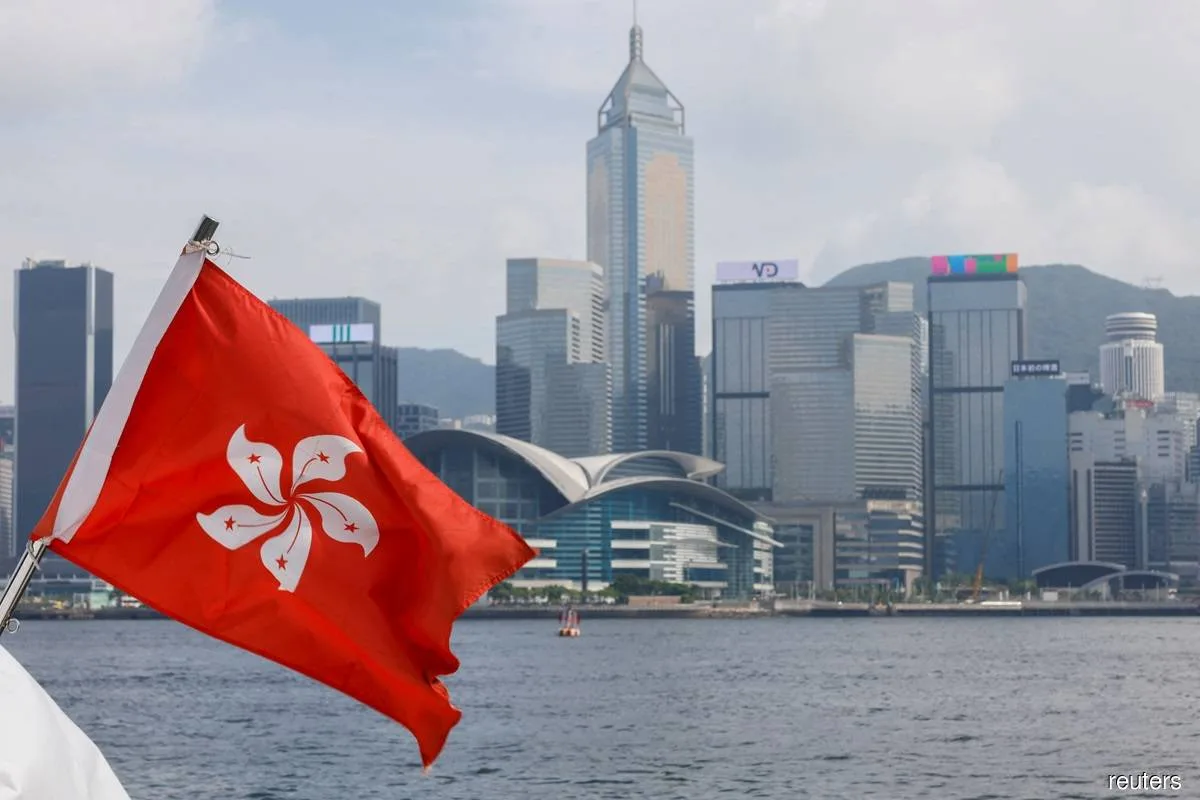
Hong Kong became the world's largest booking centre for cross-border wealth in 2025, surpassing Switzerland for the first time [1, 2, 3, 4]. Cross-border wealth booked in Hong Kong grew about 10.7% last year, reaching between US$2.9 trillion and $2.95 trillion [1, 2, 3, 4]. Switzerland's cross-border wealth also grew but more slowly, by roughly 7.6%, to US$2.94 to $2.946 trillion [1, 3, 4].
Global cross-border wealth climbed 8.4% in 2025, hitting a record US$15.7 trillion [1, 4]. Hong Kong's rise reflects strong capital inflows from mainland China, robust IPO activity, and gains in equity markets, factors that helped elevate the city above Switzerland [1, 2, 3, 4]. Michael Kahlich, managing director at BCG, said "Hong Kong’s rise reflects the growing gravitational pull of Asian wealth and capital markets" [2].
Geopolitical instability, including conflicts in the Middle East, is also shifting wealthy individuals toward perceived safe havens like Hong Kong and Switzerland [1, 2, 4]. Christopher Hui, Hong Kong’s Secretary for Financial Services and the Treasury, noted, "While global economic gravity shifts eastward, geopolitical tensions further highlight Hong Kong’s role as a safe harbor, reflecting Hong Kong’s appeal as an international financial center" [4].
Hong Kong's family office sector expanded rapidly, growing 25% from 2023 to 3,384 single-family offices by the end of 2025, managing assets ranging from millions to billions of dollars [2]. The Hong Kong government plans to broaden tax concessions to more asset classes and promote the city’s low taxes and vibrant capital markets to attract wealthy investors [2, 4].
Switzerland maintains a strong position through diversification of its client base and its reputation for stability, with Swiss banks continuing to prioritize growth in Asia, especially China [1, 4]. Despite Switzerland's slower growth, it benefits from a multi-regional client spread.
Projections suggest Hong Kong and Singapore will continue expanding their roles as cross-border wealth hubs, with expected growth of about 9% annually through 2030, outpacing Switzerland’s projected 6% growth [1].