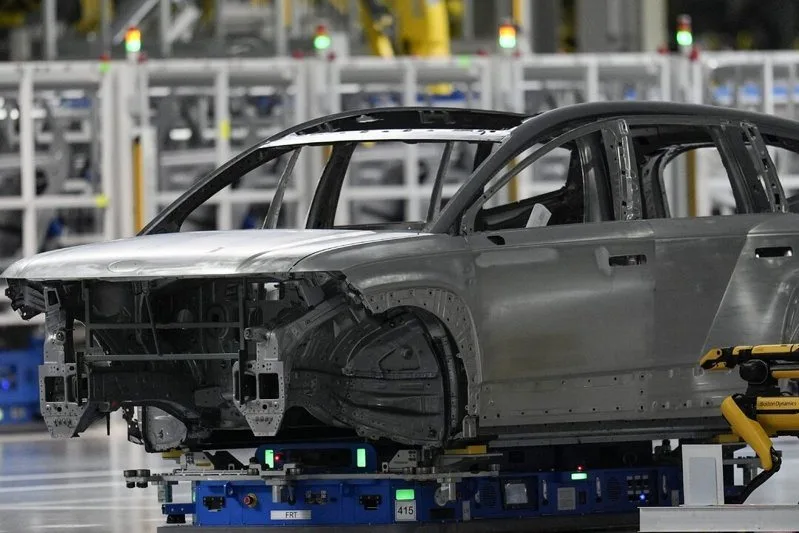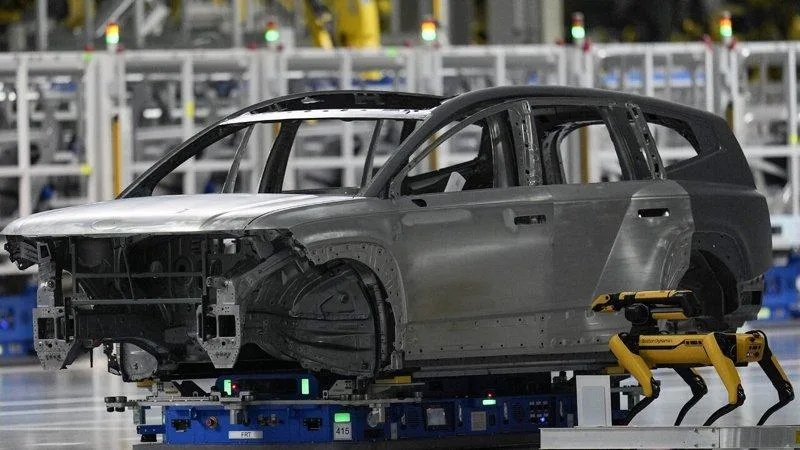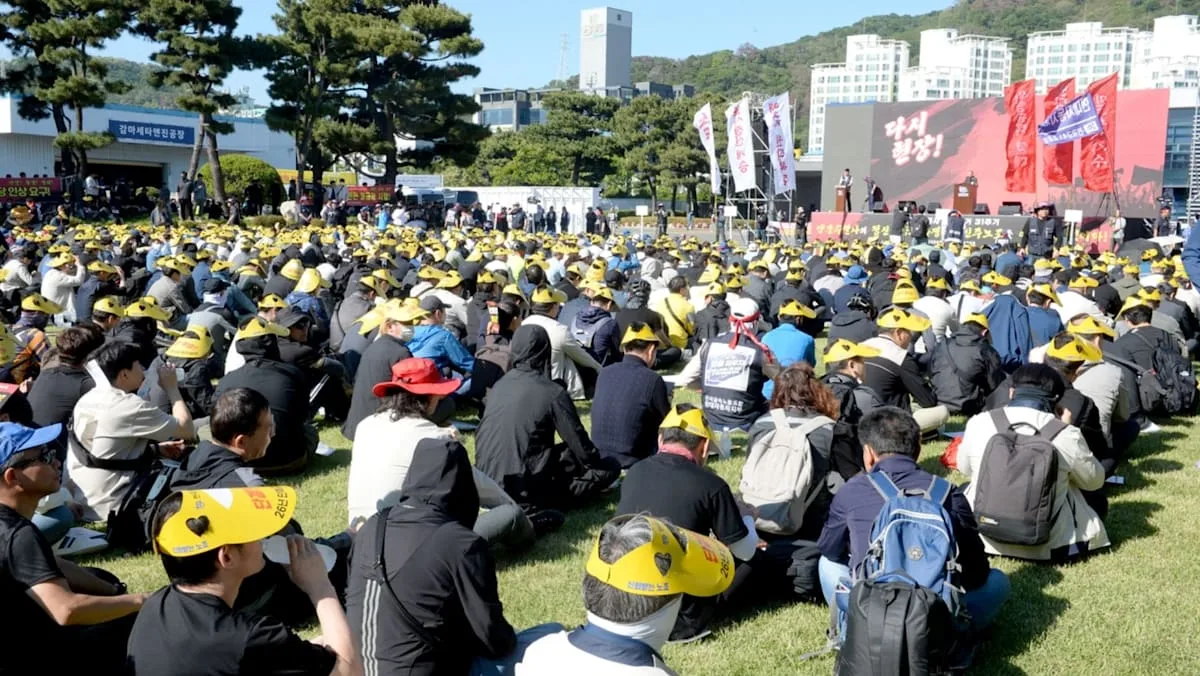
Hyundai Motor's labor union started a three-day partial strike on July 13, 2026, after wage talks with management broke down, halting production lines for four hours daily—two hours per shift—until July 15 [1, 2, 3, 4, 5, 6].
The strike includes workers from production lines, with sales, maintenance, and employees at the Namyang R&D center joining depending on circumstances [2, 3, 4, 5, 6]. Union leaders also began an overnight sit-in protest from the strike’s start on July 13 [2, 3, 4, 5].
The union demands a base salary raise of about 149,600 won (roughly USD 100), a performance bonus worth 30% of last year’s consolidated net profit, raising regular bonuses from 750% to 800% of monthly pay, extending retirement age from 60 to 65, and reinstating dismissed workers [1, 2, 3, 4, 5, 6].
Hyundai management offered a base salary increase of 89,000 won, a performance bonus equaling 3.5 months’ salary plus 10 million won, and 15 company stocks [1, 2, 3, 4, 5, 6]. The union rejected the proposal as insufficient and is demanding higher pay and better benefits [1, 2, 3, 4, 5, 6].
The strike is estimated to cost Hyundai about 200 billion won (roughly 1.7 billion SGD or 42.5 billion TWD) due to production disruptions. South Korea accounts for nearly half of Hyundai’s annual sales, so the walkout is likely to affect the global supply chain significantly [1, 2, 3, 4, 5, 6].
Hyundai executive vice president Choi Yeong-il expressed regret over the strike, saying it causes harm to company profitability especially as the company plans new model launches in the second half of 2026. He said, "Production disruption should not take place at a time when we should be seeking an earnings turnaround through the launch of new models in the second half" [3, 4, 5, 6].
The union will evaluate the results of the strike and decide on further action after it concludes on July 15, 2026 [3, 4, 6]. Hyundai also plans to deploy humanoid robots called Atlas in its US factories starting in 2028, sparking workers’ concerns over job security and calls for protections before such machines arrive in Korean plants [1, 2, 3, 4, 5, 6].