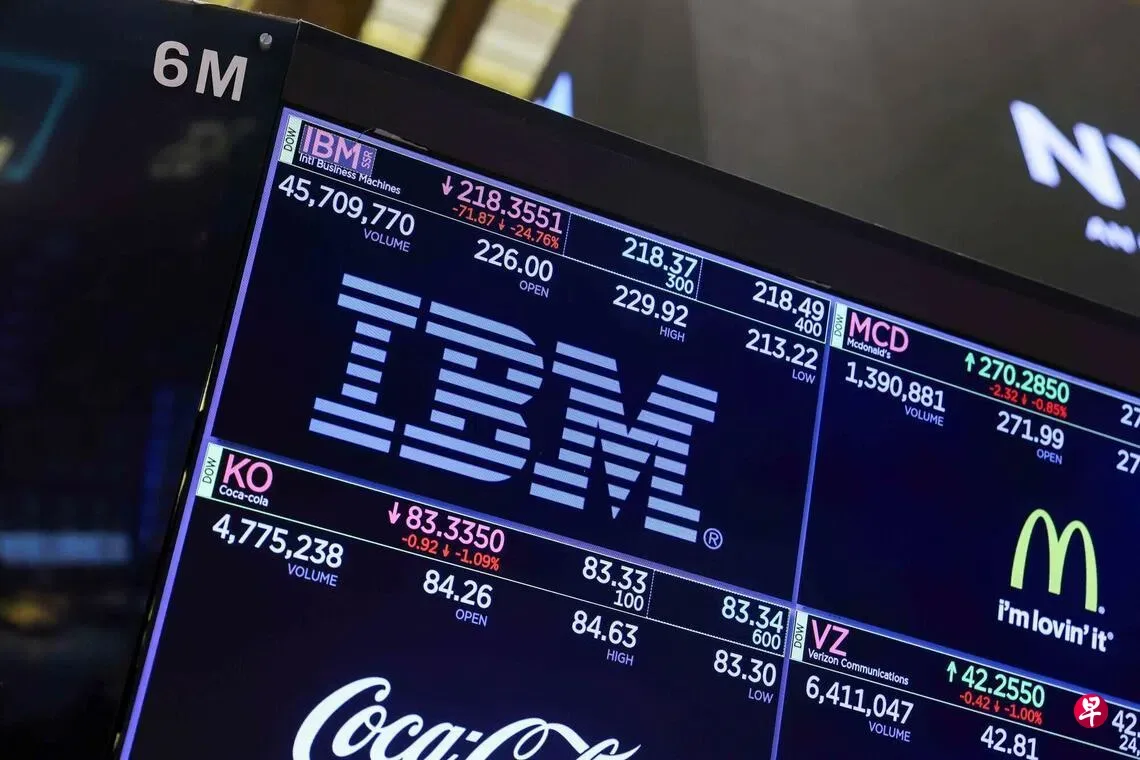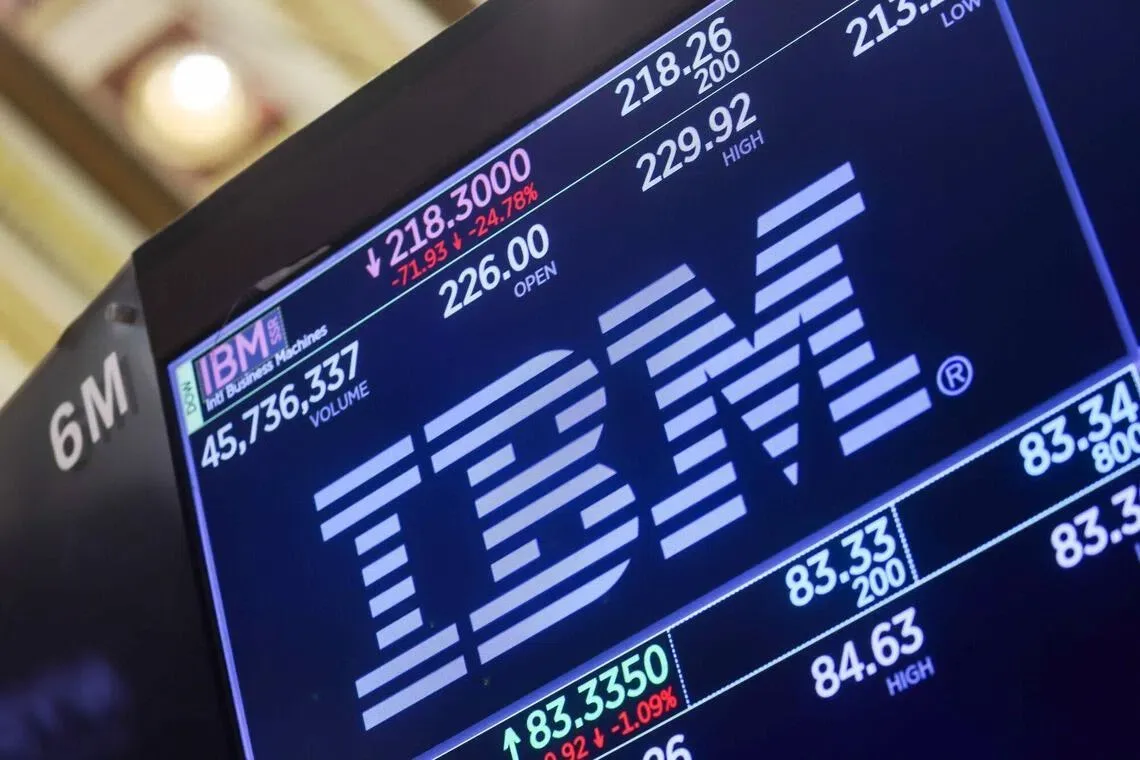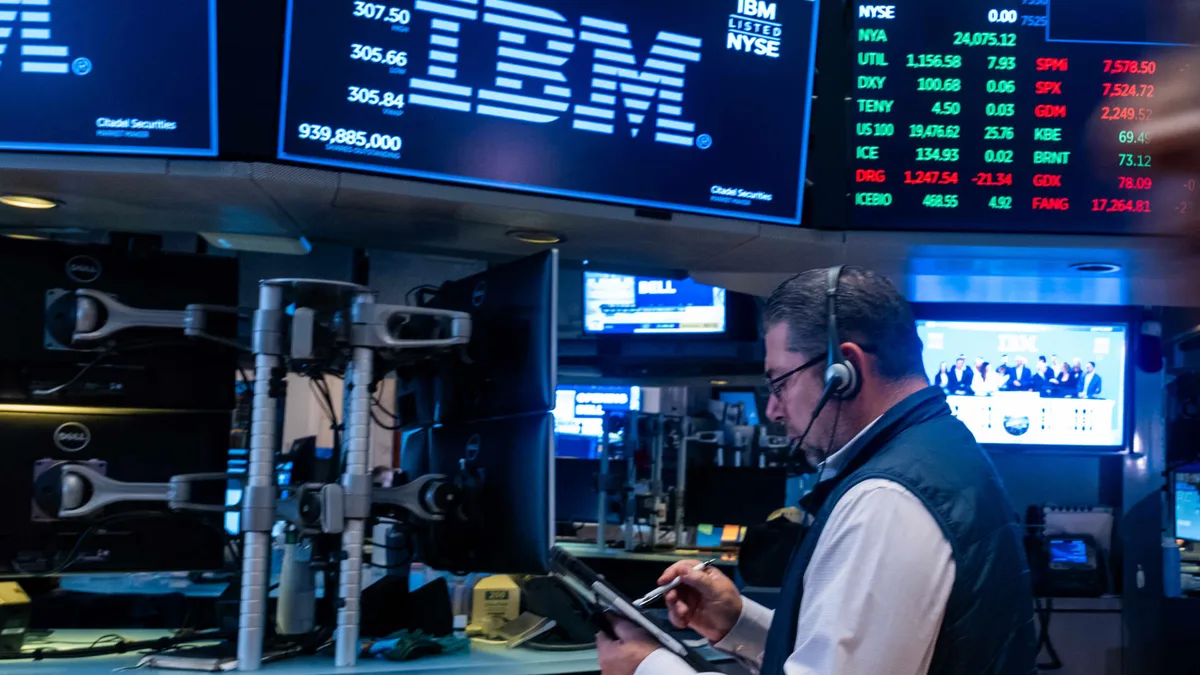
IBM reported preliminary Q2 2026 revenue of about $17.2 billion, missing analysts’ estimates near $17.86 billion to $17.9 billion, according to multiple sources [1, 2, 3, 4, 5, 6, 7]. Adjusted earnings per share came in at $2.93, below forecasts of roughly $3.01 to $3.02 [1, 2, 3, 4, 5, 6, 7]. On July 14, 2026, the company’s shares plunged 22% to 26% in one of its largest single-day drops in decades [1, 2, 3, 8, 5, 6, 7, 9]. Other major software firms, including Microsoft, Salesforce, and Adobe, also declined following the warning [1, 2, 3, 7, 9].
IBM CEO Arvind Krishna attributed the shortfall to rapid shifts in customer spending toward AI infrastructure hardware. "In the last few weeks of June, we saw clients shift their quarterly capex spend toward servers, storage, and memory purchases to secure supply-constrained infrastructure ahead of expected price increases," Krishna said [1]. He added, "These conditions require our teams to execute perfectly, and this quarter we faltered. We did not adapt and move quickly enough, and numerous large deals failed to close on the timelines we expected, driving the majority of our shortfall" [4].
Customers’ reprioritization of their capital expenditures toward AI hardware cut into budgets for IBM’s higher-margin software and mainframe products, which suffered as a result [1, 2, 3, 5, 6, 7, 9]. IBM’s infrastructure business revenue fell about 7% year-on-year, worse than initially expected [2, 3, 7]. Meanwhile, software revenue grew roughly 5% year-on-year but still missed expectations [2, 7].
The company also noted rising cybersecurity spending adds uncertainty. Krishna referenced Anthropic’s Mythos AI model, which exposed network vulnerabilities, causing some customers to pause new deals amid security concerns. "Mythos is making people pause to say, wait, how much do I need to spend on cyber? They're pausing on new deals until they know," he said, while noting the company’s software is not being disrupted by AI [10].
The market reaction included gains in chip and hardware stocks such as Nvidia, AMD, Intel, and SK Hynix amid the AI infrastructure spending trend [3, 7, 9, 11]. Investor sentiment shifted as Apple regained the top global market cap spot over Nvidia, reflecting some selling pressure in semiconductor stocks due to AI valuation worries [11].
Industry analysts viewed IBM’s report as clear evidence that the AI infrastructure boom is reshaping IT budgets, crowding out traditional software spending. Morningstar’s Luke Yang said, "IBM's financial report highlights how the AI investment boom is reshaping enterprise IT budgets, crowding out traditional software spending" [7]. Meanwhile, Edmond de Rothschild portfolio manager Alexis Bossard noted potential limits ahead: "Once capital expenditures stop rising, mega cloud services providers will breathe a sigh of relief, but semiconductor companies could face a negative impact" [12].
Cloud giants Microsoft, Amazon, Alphabet, and Meta are expected to boost AI-related capital expenditures by 76% this year but with sharply slowing growth of 25% in 2027 and 6% in 2028, potentially affecting semiconductor demand [12].
IBM is scheduled to report its official Q2 2026 earnings and full results on July 22, 2026, with preliminary figures possibly subject to revision [1, 3, 8].