India raised the import tariffs on gold and silver to 15%, up from 6%, effective at midnight on May 13, 2026. The new rate includes a 10% basic customs duty and a 5% agricultural infrastructure and development cess, according to government sources [1, 2, 3, 4, 5, 6].
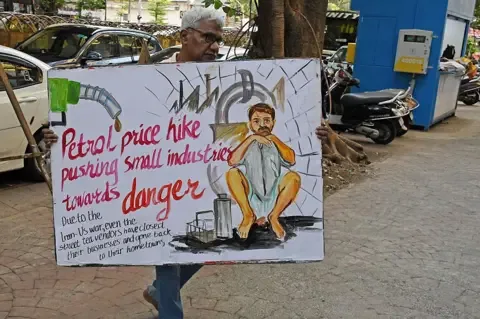
The government said the hike aims to curb precious metal imports to reduce the trade deficit and conserve foreign exchange reserves amid rising energy costs and geopolitical tensions arising from the Middle East war [7, 8, 2, 3, 4, 5, 6, 9]. Prime Minister Narendra Modi publicly urged citizens to avoid gold purchases for at least one year to help support the national economy and preserve foreign exchange [7, 8, 2, 4, 6, 9]. He also called for reducing foreign travel to ease pressure on reserves [7, 2].
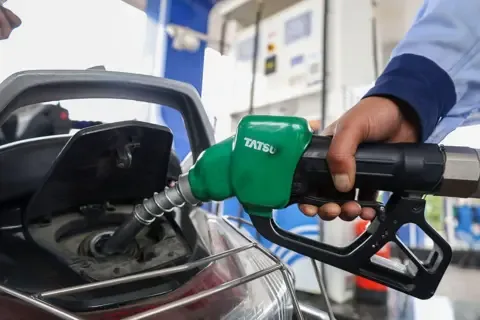
India imports about 90% of its crude oil and half of its natural gas, making the cost of imports vulnerable to disruptions at the Strait of Hormuz. The ongoing blockade there has sharply increased import costs and strained foreign exchange reserves, which currently stand around $690 billion, equal to about 11 months of goods imports [7, 8, 6].
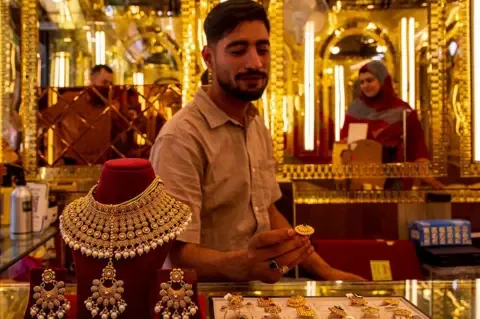
Gold holds deep cultural importance in India, viewed as a safe investment and essential for weddings and festivals. Indian households hold an estimated 34,600 tons of gold worth roughly $5.2 trillion [8, 6]. India is the world's second-largest gold consumer after China, importing 600-800 tons annually [8, 6]. Demand surged in early 2026, with first-quarter gold imports reaching about $25 billion, nearly double last year's levels [6].
The government also limited duty-free gold imports for jewelry exporters to 100 kilograms per permit, imposing stricter controls to reduce smuggling and illegal imports [9]. Indian banks resumed gold and silver imports in early May after agreeing to pay a new 3% integrated GST tax, ending a month-long halt [5].
Industry officials expect gold demand to fall about 10% following the tariff rise and Modi's appeal. Surendra Mehta of the All India Gem & Jewellery Domestic Council said, "The prime minister's stance means the tariff increase was expected. India, one of the largest gold consumers, will see demand drop 10%" [2]. Vishrut Rana, an economist with S&P Global Ratings, said reducing gold imports helps limit the current account deficit but noted energy costs remain the main challenge [6]. Banker Uday Kotak added, "My view is we should prepare for paranoia before the event. We must prepare for the worst" [7].
The tariff increase reverses a mid-2024 policy that had lowered gold duties to 5-6% to combat smuggling. Rising external pressures including the oil import cost surge prompted the government to tighten restrictions again [3, 4, 5].
The new tariffs and limits on duty-free imports apply immediately. The government is expected to monitor effects on gold demand and smuggling risks closely in coming months.