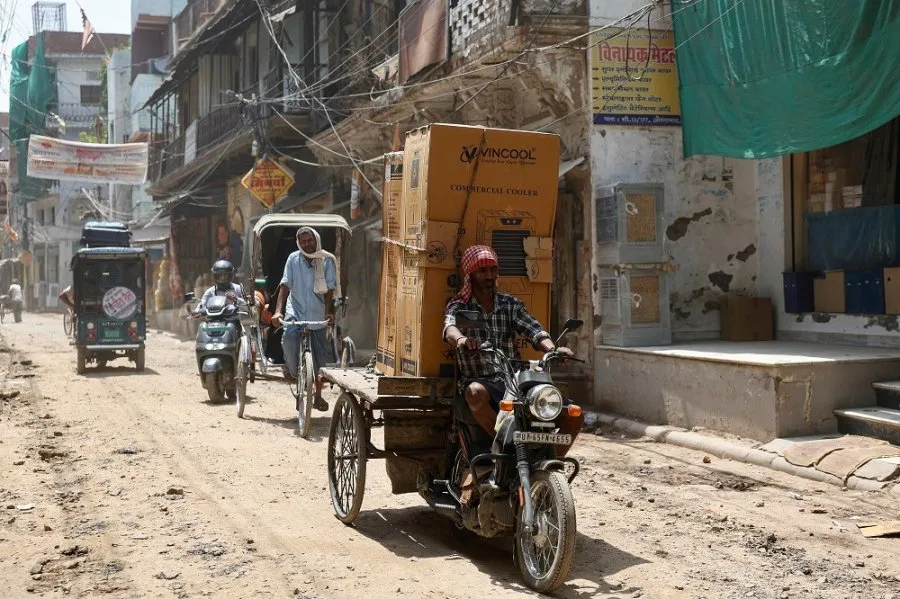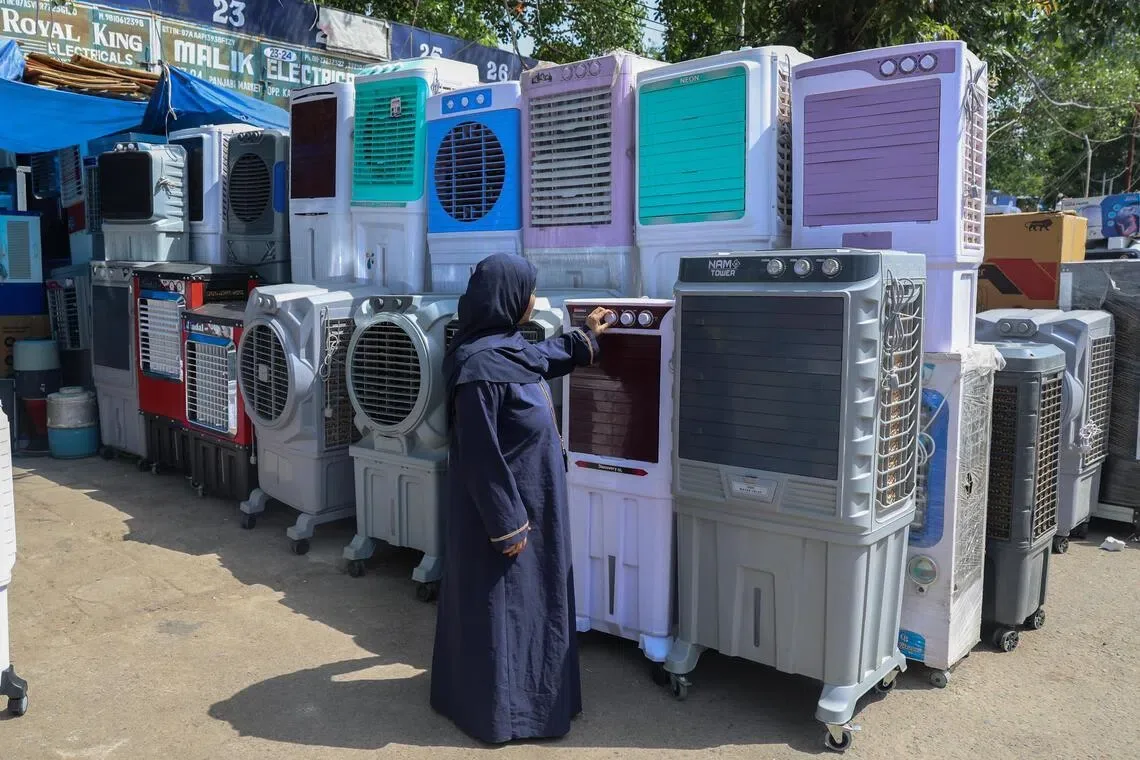
India's electricity demand reached a new peak of 270.82 gigawatts on May 21, 2026, driven by a severe heatwave with temperatures around 45.3°C in New Delhi and up to 47.6°C in Banda, Uttar Pradesh [1, 2, 3, 4, 5, 6]. This surpassed the record set just one day earlier, when demand hit 265.44 GW [1, 2, 3, 4, 5].
The Ministry of Power said the surge in demand was linked to increased use of cooling appliances such as air conditioners amid persistent high temperatures. "This represents a new high in peak demand met. The surge in demand appears to be linked to the greater usage of cooling appliances," the ministry said [1, 3]. It also noted this was the fourth consecutive day with record peak demand during solar hours [2].
India’s power generation mix during this period consisted of about 62% thermal power, mostly coal, 22% solar, 5% wind, and 5% hydropower, with the remainder from other sources [1, 2, 3, 4, 5]. Despite meeting record demand, local blackouts and load shedding affected districts due to infrastructure limitations such as aging transformers and wiring [1, 3, 4, 6]. Cities including Chennai, New Delhi, and Odisha reported outages lasting from 40 minutes to several hours during peak periods [6].
The highest temperature recorded on May 21 was 47.6°C in Banda, Uttar Pradesh, slightly lower than 48.2°C earlier in the week. India’s official highest temperature on record remains 51°C measured in Phalodi, Rajasthan in 2016 [1, 2, 3, 4, 7, 5]. Scientists link the prolonged heatwave to climate change, which increases the frequency and intensity of such events [1, 2, 3, 4, 5]. The El Niño weather pattern also contributed to the extreme temperatures in May 2026 [7, 6].
Authorities have urged citizens to use electricity prudently to reduce strain on the grid during this period of high demand [1, 4, 6]. The power ministry highlighted the need to increase storage capacity for solar energy to address pressure on the grid during hot nights, an issue energy expert Disha Aggarwal emphasized as key to managing future demand [6].
Schools in some areas declared early summer holidays or suspended classes due to the heat, and public cooling centers with fans and air conditioners opened in cities like New Delhi [7].
The peak power demand surge began around May 18 and continued rising through May 21 with expectations that extreme heat and power demand will persist through about May 27, accompanied by ongoing local power disruptions [1, 7, 6].
India's power demand and weather developments will be closely monitored in the coming days as the heatwave remains in effect.