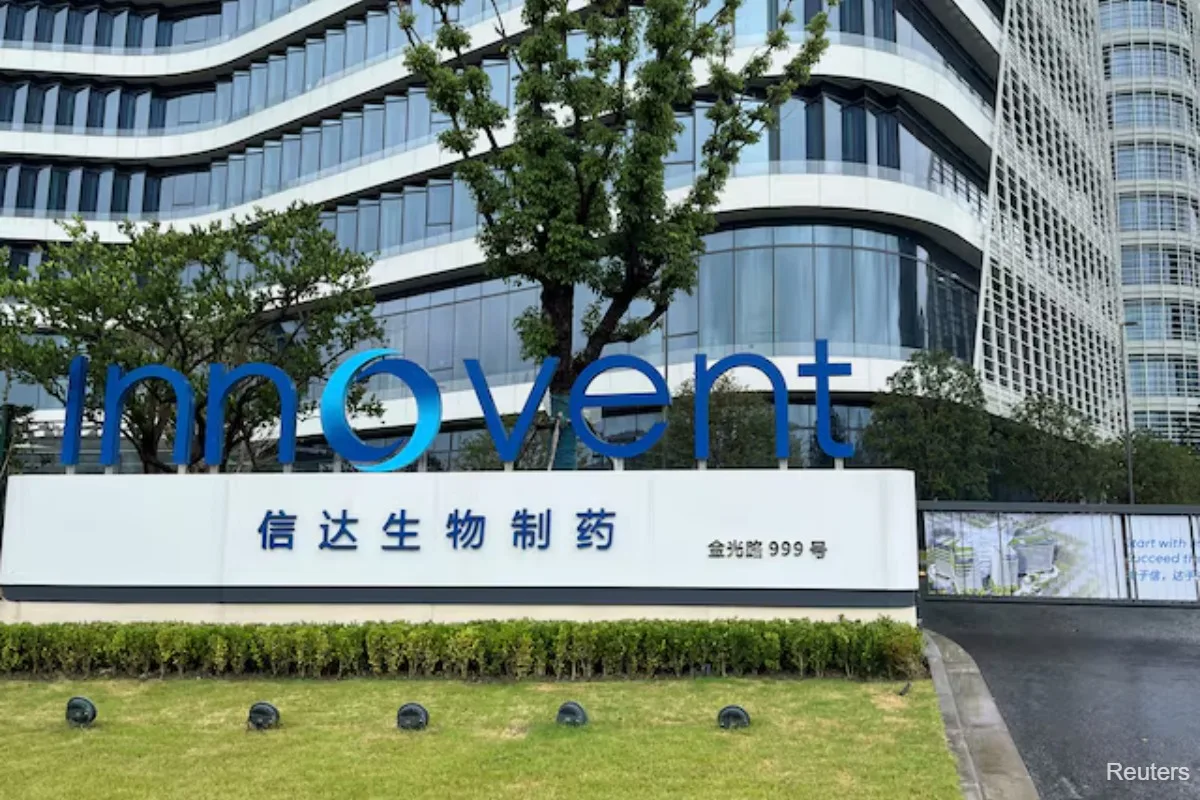
Chinese biotech Innovent Biologics and US pharmaceutical giant Pfizer announced a global licensing and collaboration agreement valued up to $10.5 billion on May 29, 2026 [1, 2, 3, 4]. The deal covers the development of 12 cancer drug programs, combining eight early-stage assets from Innovent with four discovery programs from Pfizer [1, 3, 4].
Under the agreement, Pfizer will pay Innovent $650 million upfront and up to $9.85 billion more in development, regulatory and commercial milestone payments [1, 3, 4]. Innovent will lead Phase 1 clinical trials for all 12 programs before Pfizer takes over global development [1, 3, 4].
Four of the programs will be co-developed and co-commercialized by both companies in the US and Europe, with profits shared. Innovent retains exclusive rights in Greater China for these programs [1, 3, 4]. For another four, Pfizer has an exclusive license outside Greater China. For the last four programs, Pfizer holds exclusive global rights and will cover all global development costs [1, 4]. Innovent will also receive double-digit royalties on any products approved and sold [3, 4].
Innovent Biologics, based in Suzhou and listed in Hong Kong, saw its shares rise about 10% following the announcement [3, 4]. The deal reflects a rapid rise in China biotech licensing, with deal values in the region growing nearly tenfold from 2021 to $137.7 billion in 2025 [1].
A report by Gibson Dunn noted that large pharmaceutical companies used licensing deals like this as precise tools to fill near-term pipeline gaps ahead of a looming patent cliff from 2026 to 2030, emphasizing the strategic intent behind Pfizer’s deals in China and beyond [4].
Earlier, in May 2025, Pfizer had signed a separate cancer immunotherapy licensing deal with Chinese biotech 3SBio, illustrating its broader engagement in the China biotech sector [1].