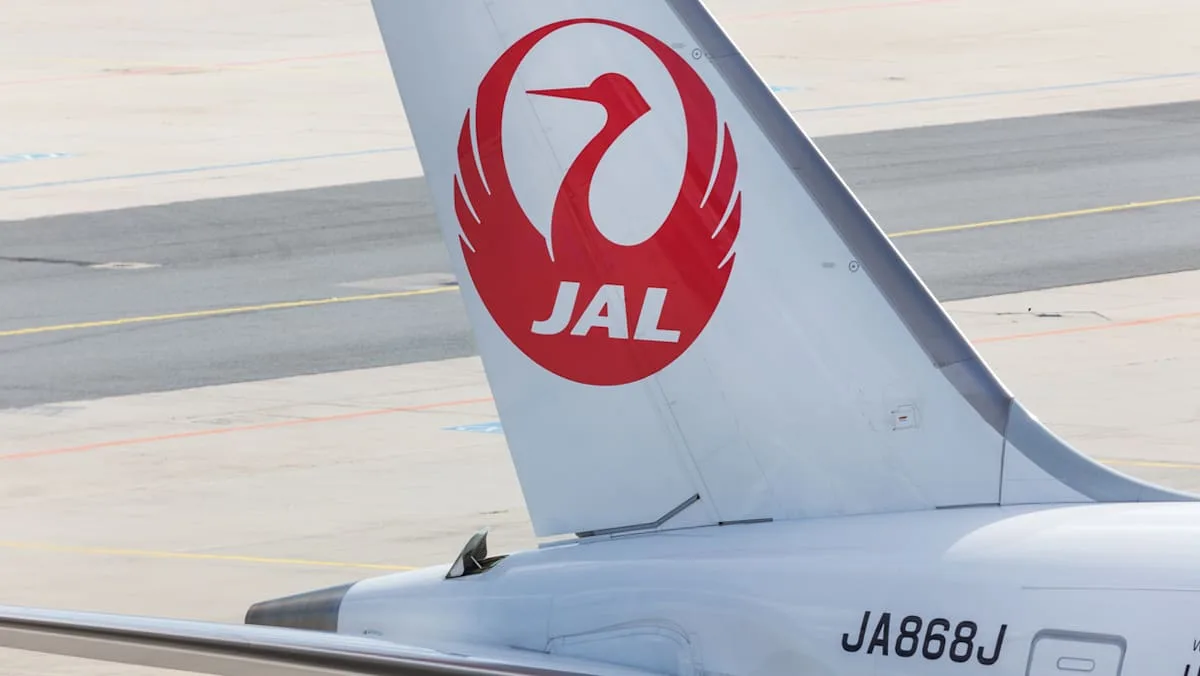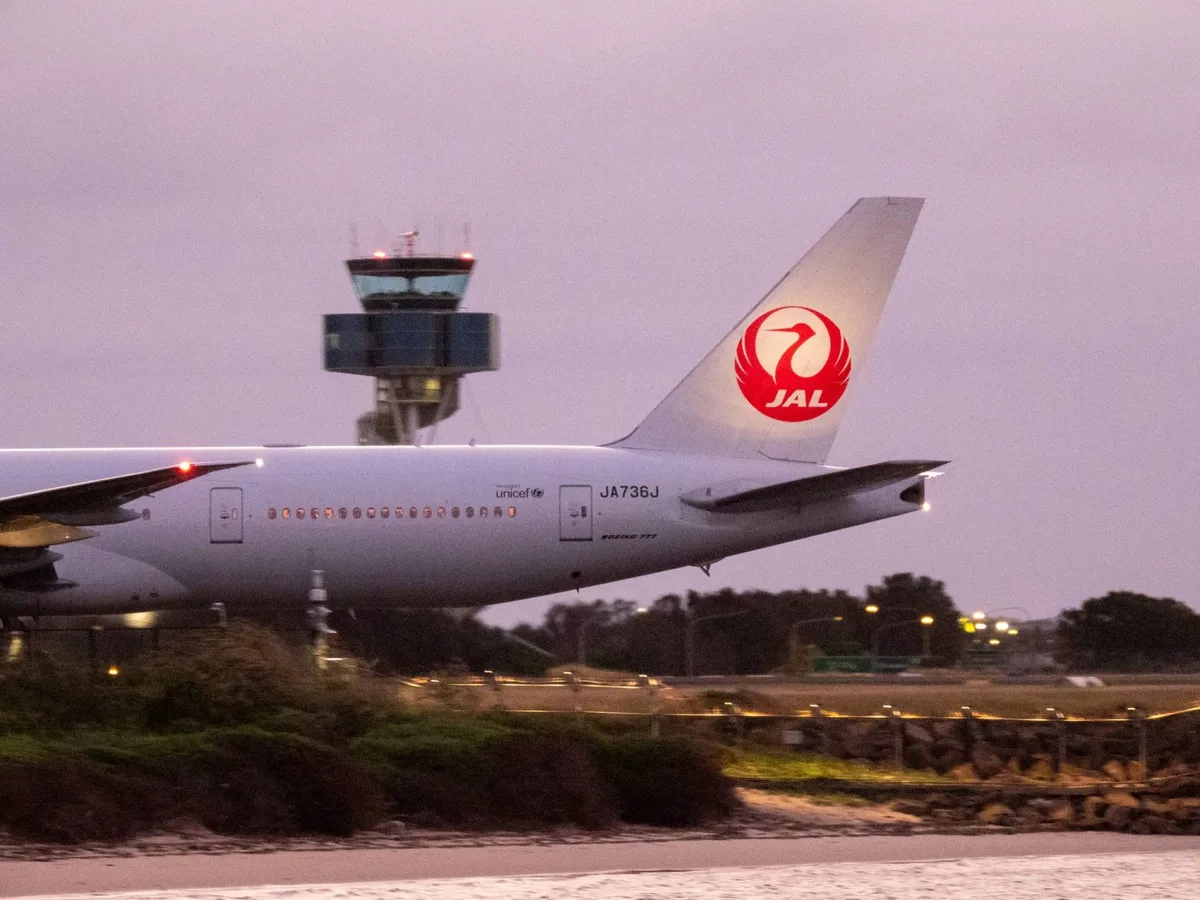
Japan Airlines flight 252 from Hiroshima to Tokyo was delayed by about 40 minutes on May 23, 2026, after a female cabin attendant tested positive for alcohol before her shift, affecting 186 passengers [1, 2, 3, 4]. Originally scheduled to depart Hiroshima at 7:40 a.m., the flight left at 8:22 a.m. and arrived in Tokyo Haneda around 9:39 a.m. [3, 4].
The attendant had consumed alcohol the night before at a hotel lounge in Hiroshima with a colleague, breaching company rules that forbid drinking within 12 hours before duty [1, 2, 5, 3, 4, 6, 7]. Although she self-tested positive on the morning of the flight, she did not report it. Airport tests later confirmed the violation [1, 2, 5, 3, 6, 7]. Another crew member who drank with her reported feeling unwell and did not board the flight [1, 2, 5, 3, 4, 6].
Japan Airlines immediately replaced the affected crew member to cover the flight, causing the delay [1, 5, 3, 4, 6, 7]. Following the incident, JAL announced a ban on cabin attendants consuming alcohol during stays before return flights. The airline said, "We take the loss of public trust caused by the incident extremely seriously" [1, 2].
This is one in a series of recent alcohol-related issues at JAL. In August 2025, a male international flight captain was found to have drunk excessively before a return flight, resulting in a stern warning from Japan's transport ministry [1, 2]. In 2024, a pilot and co-pilot pair attempted to conceal drinking before a Melbourne flight [3]. The Ministry of Land, Infrastructure, Transport and Tourism has intervened, requiring JAL to investigate and report on alcohol management for crew [5, 3, 7].
The affected flight 252 was scheduled to depart Hiroshima at 7:40 a.m. but left at 8:22 a.m. and landed at Tokyo Haneda about 9:39 a.m. [5, 3, 4, 6, 7]. JAL publicly announced its new alcohol policy for cabin attendants on May 27, 2026, four days after the incident [1, 2].