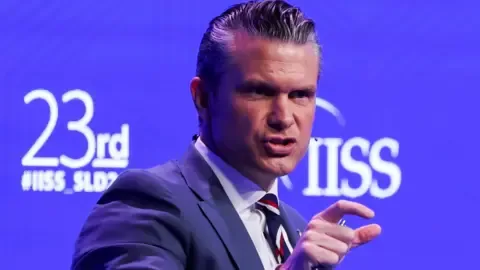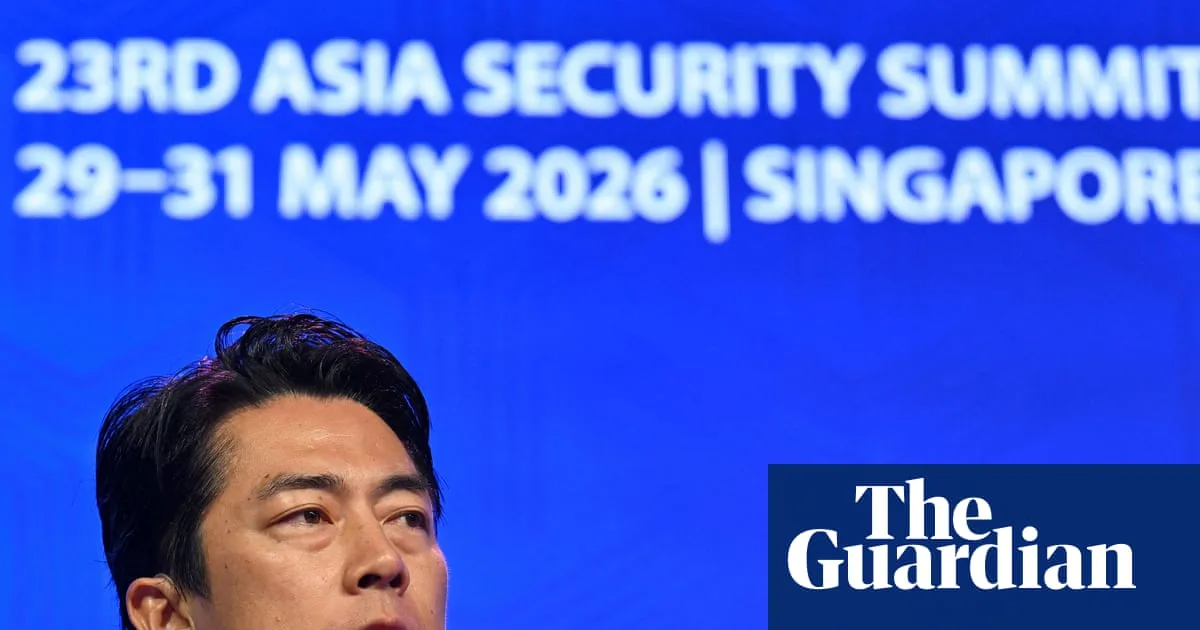
Japan's defense minister Shinjiro Koizumi firmly rejected China's claims that Japan is engaging in "new militarism" during his address at the Shangri-La Dialogue summit in Singapore on May 31, 2026 [1, 2, 3, 4, 5]. Koizumi said, "Nothing could be further from the truth," countering Beijing's accusations that have stirred regional tensions [2].
Koizumi highlighted the contrast between Japan's defense posture and China's growing military power, stating, "Think about it. There is a country that has a huge arsenal of nuclear weapons and strategic bombers. Japan has neither of such weapons, and yet Japan is labeled neo-militarist. Isn't it strange?" [3]. He underscored Japan’s commitment to peace, saying, "Japan's path as a peace-loving nation has been valued by the region and by the international community. This fact will not be shaken by false claims because it is a fact." [3]
China’s defense ministry had earlier called on the international community to jointly contain what it described as Japan’s "neo-militarism," accusing Tokyo of pursuing aggressive military policies [3, 4]. Major General Meng Xiangqing, China’s delegate at the summit, criticized Japan’s qualifications for defense cooperation, stating, "I deeply doubt whether a country that has not thoroughly eradicated the toxic legacy of militarism is qualified to talk extensively about defence cooperation on international occasions and whether it can win the trust of the international community, especially the Asian countries it once invaded." [4]
China also sent a reduced-level delegation to the event, with its defense minister absent for the second consecutive year [2, 3, 4]. Koizumi expressed regret over not meeting China’s defense minister at the summit [2, 3, 4]. He reaffirmed Japan’s desire for transparency and dialogue, saying, "Japan’s door to dialog is always open." [3]
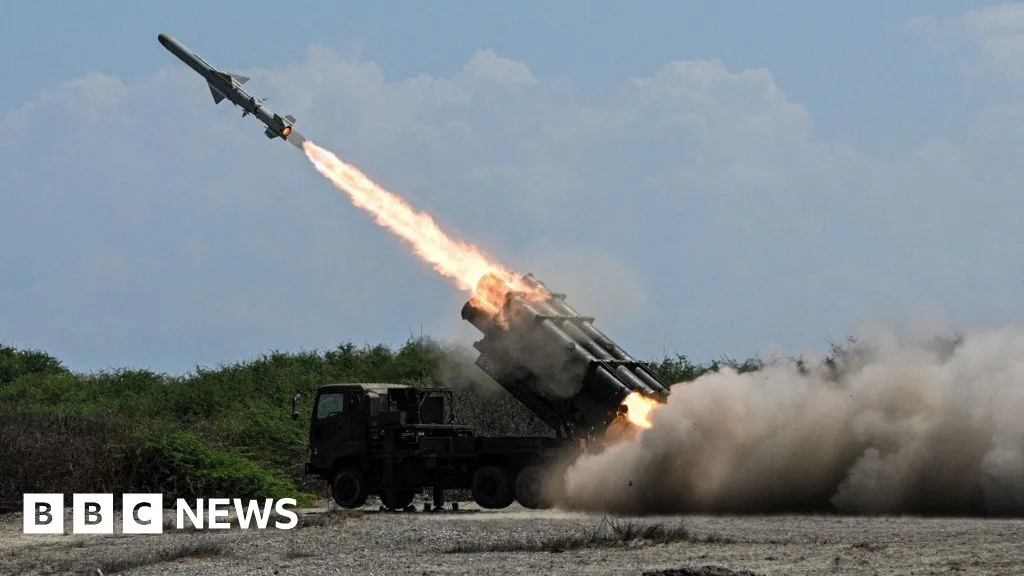
Japan has increased its defense budget for 12 straight years, with the 2026 budget approved in December 2025 exceeding 9 trillion yen (about $57 billion), nearing 2% of GDP [1]. Under Prime Minister Sanae Takaichi, Japan has adopted a more proactive defense policy, including discussions about revising Article 9 of its pacifist constitution and lifting bans on lethal arms exports [2, 3, 4]. In November 2025, Takaichi indicated Japan might militarily intervene if China attempted to seize Taiwan [2, 4].
The tensions at the Shangri-La Dialogue reflect these competing narratives between Japan and China. The summit provided a rare forum for direct exchanges amid regional security concerns. The next major update will likely come as Japan continues defense budget plans and discusses constitutional revisions through 2026.