Japan's manufacturing sector confidence surged in the April-June quarter, with the large manufacturing business confidence index rising to 22, up from 17 in the previous quarter and reaching its highest level since 2018. This growth reflects optimism in industries such as textiles, nonferrous metals, and production machinery, driven in part by a weak yen that fell to its lowest level against the dollar since 1986, boosting exporter sentiment [1, 2, 3].
The large non-manufacturing business confidence index climbed to 37 for the same period, marking the highest reading since 1991. Sectors including accommodation, eating, and drinking services reported improved sentiment, highlighting a broad-based upswing beyond manufacturing [1, 2, 3]. However, the non-manufacturing business outlook index edged down slightly to 28 from 29, falling short of market expectations and signaling concerns about future domestic demand, rising costs, and wage pressures [3].
Inflation expectations among firms increased to a projected 2.6% annual inflation rate five years ahead, the strongest outlook since 2014. Ko Nakayama, chief economist at Okasan Securities, said, "It affirms that the BOJ is right to be concerned about upside inflation risks. This is positive for the BOJ to consider an additional rate hike. We continue to see it taking place in October." The rising business sentiment supports the Bank of Japan's approach of continuing to raise interest rates amid these inflation risks [2, 3].
Despite global challenges including the Middle East conflict and high oil prices, Japan avoided severe supply chain disruptions for oil and raw materials, maintaining steady input flows that helped sustain business confidence [2].
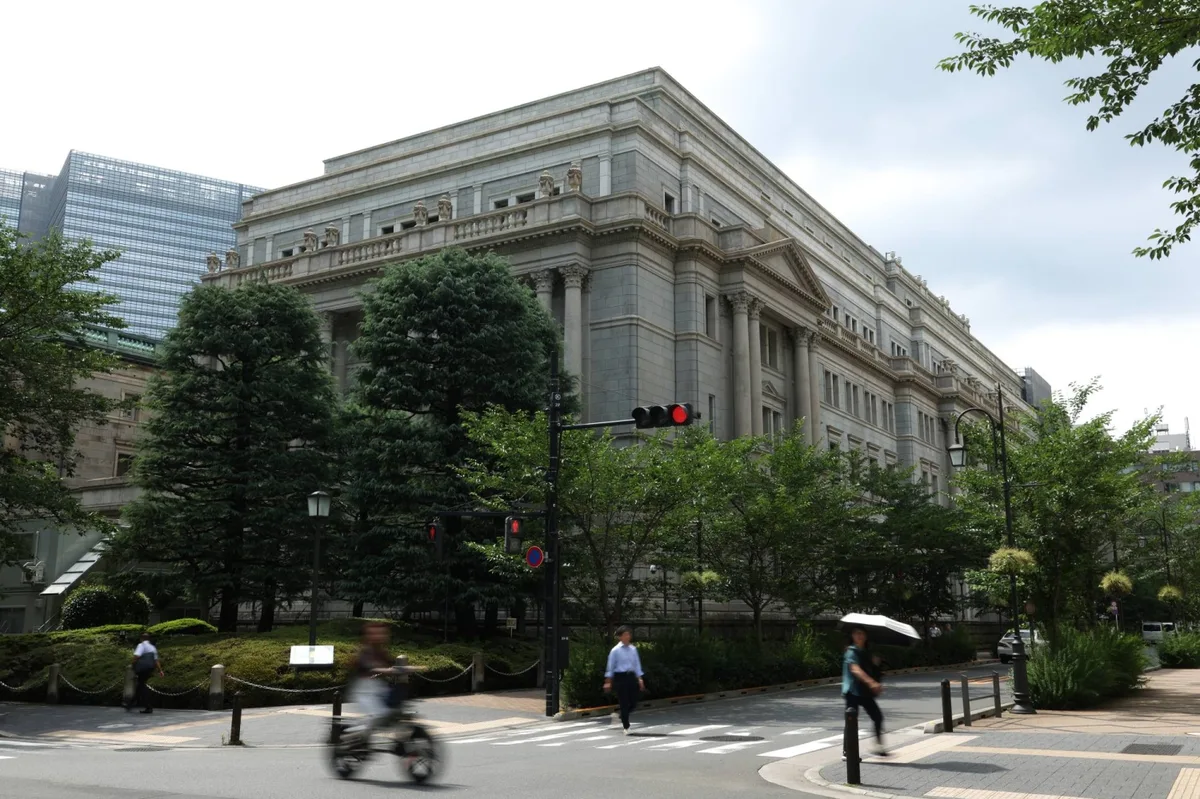
The Bank of Japan released the quarterly Tankan business survey on July 1, confirming the improved readings for both manufacturing and non-manufacturing sectors [1, 2, 3]. The next scheduled Tankan survey release is expected in October, coinciding with the anticipated timing of the Bank of Japan's potential interest rate hike [2].