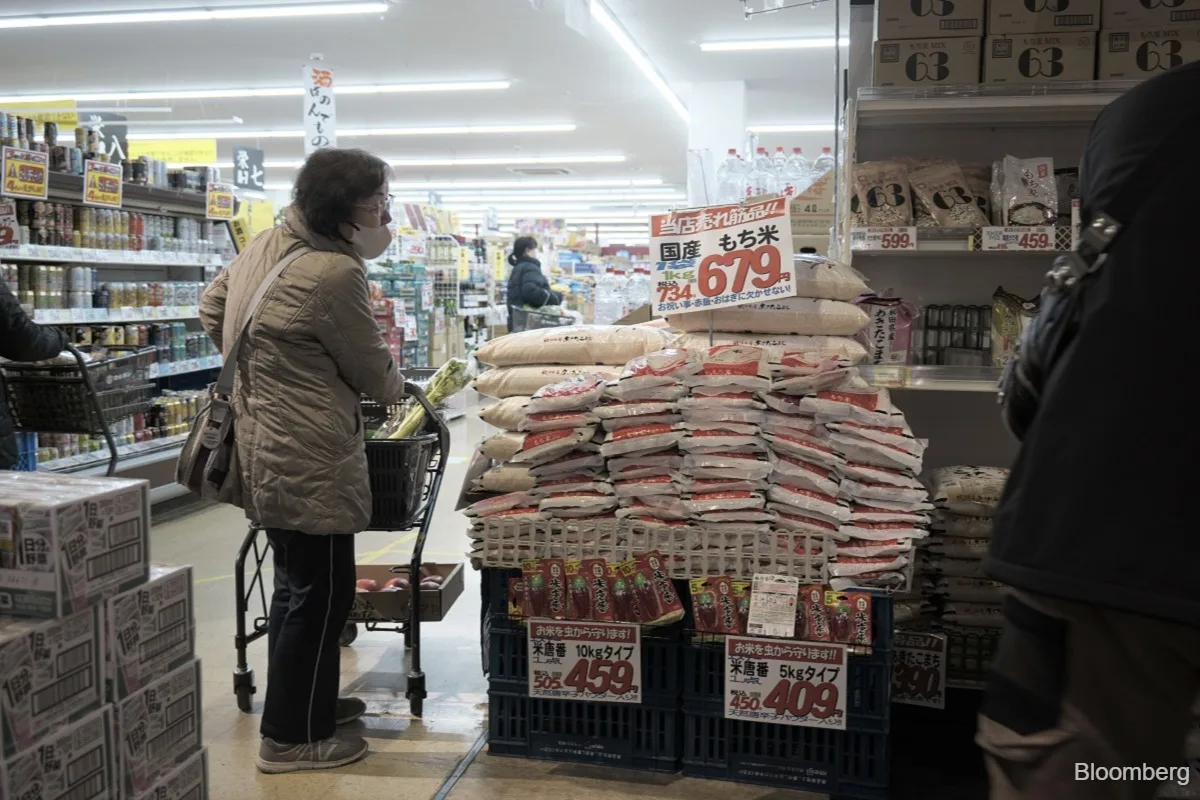
Japan's Producer Price Index (PPI) climbed 6.3% year-on-year in May 2026 to 134.5, marking the fastest increase since March 2023 and surpassing market expectations [1, 2, 3, 4, 5, 6]. Twenty-two out of 23 tracked product categories reported price rises, led by petroleum and coal products, which jumped 13.8%, fueled by oil price spikes linked to Middle East conflicts [1, 3]. Chemical products prices rose 13.4%, while non-ferrous metals surged 42.2% year-on-year, significantly pushing input costs higher [1, 3].
The yen's depreciation compounded inflation pressures by driving import prices up 25.5% year-on-year in May, the fastest increase since November 2022, deepening cost challenges for Japanese companies reliant on imports [1, 2, 4, 5, 6]. Export prices also advanced strongly, climbing 20.6% year-on-year, buoyed by growing demand for AI-related chips [1, 2]. Monthly PPI increased by 0.9%, exceeding April's revised 0.5% rise and market forecasts [2, 4, 5].
Senior APAC economist Abhijit Surya of Capital Economics said, "The continued strength in producer price inflation makes it all but certain that the Bank of Japan will hike rates at its meeting next week." Yoshiki Shinke of Dai-ichi Life Research Institute noted that companies are passing on higher labor and raw material costs more quickly and broadly than in prior years, altering price-setting behavior [2].
Some analysts warn that a symbolic Bank of Japan rate increase without credible hawkish signals will fail to halt yen weakness and imported inflation pressures [4]. Rising wholesale prices mainly reflect companies passing on disrupted supply chain costs and elevated raw material prices [1, 2]. Despite this, consumer inflation remains moderate, partly due to government subsidies on fuel and utilities [4].
The surge in producer and import prices is intensifying input cost pressures on businesses and complicating the Bank of Japan’s policy decisions between inflation control and growth support [4, 5, 6]. Market expectations mostly price in a 25 basis point BOJ rate hike at the meeting scheduled for the week of June 16, marking the first increase since December 2025 [2, 4, 5, 6].