Japan’s trade deficit expanded to ¥406.9 billion (US$2.5 billion) in June 2026, up from a revised ¥391.8 billion shortfall in May, as import costs surged due to a weak yen and rising oil prices [1, 2, 3]. Imports increased 25.4% year-on-year in June, outpacing exports that rose 19.3% over the same period [1, 2, 3].
The Japanese yen weakened to 159.69 per US dollar in June, down 10.9% from last year, inflating costs for imported goods and contributing to the trade gap [1, 3]. The yen slid further to a fresh 40-year low of around 163 per dollar by late July amid persistent dollar strength and rising oil prices [3].
Oil imports showed a complex trend. While volumes fell, the value of those imports jumped nearly 60% due to higher crude prices fueled by renewed fighting in Iran despite an earlier peace deal attempt between the US and Iran in June 2026 [1]. In response, Japan has diversified suppliers, sharply raising oil imports from the US by about 900% in value and 460% in volume to reduce Middle East exposure amid the Iran conflict [1, 4, 5].
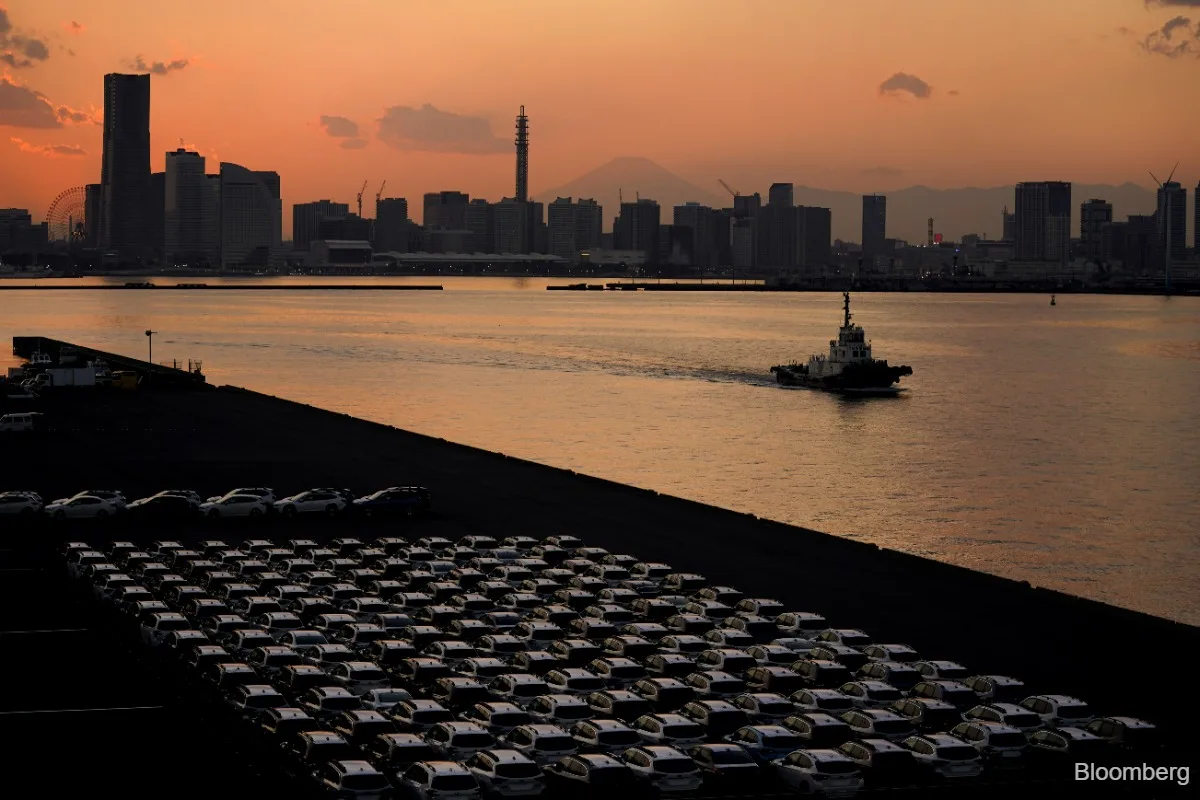
Exports of electronic components, including semiconductors, surged approximately 54% year-on-year in June, supported by strong global demand for AI chips [1]. Automobile exports to the US increased about 13%, bolstering outbound shipments [1].
For the first half of 2026, Japan’s trade deficit exceeded ¥1.01 trillion, with total exports reaching ¥60.66 trillion and imports topping ¥61.68 trillion, reflecting ongoing import price pressures [4, 5]. Senior economist Koya Miyamae of SMBC Nikko Securities Inc said, “I expect that for the time being, the rise in import prices will outpace the rise in export prices, and the trade deficit will continue to widen” [1].
Japanese Finance Minister Katayama Satsuki indicated readiness to intervene in currency markets if needed to stabilize the weak yen and offset rising oil costs, stating, “If necessary, the government is prepared to take appropriate and decisive action in the foreign exchange market” [3].
The next data release will shed light on whether interventions curb yen weakness or if Japan’s trade deficit continues to broaden amid volatile global energy markets.