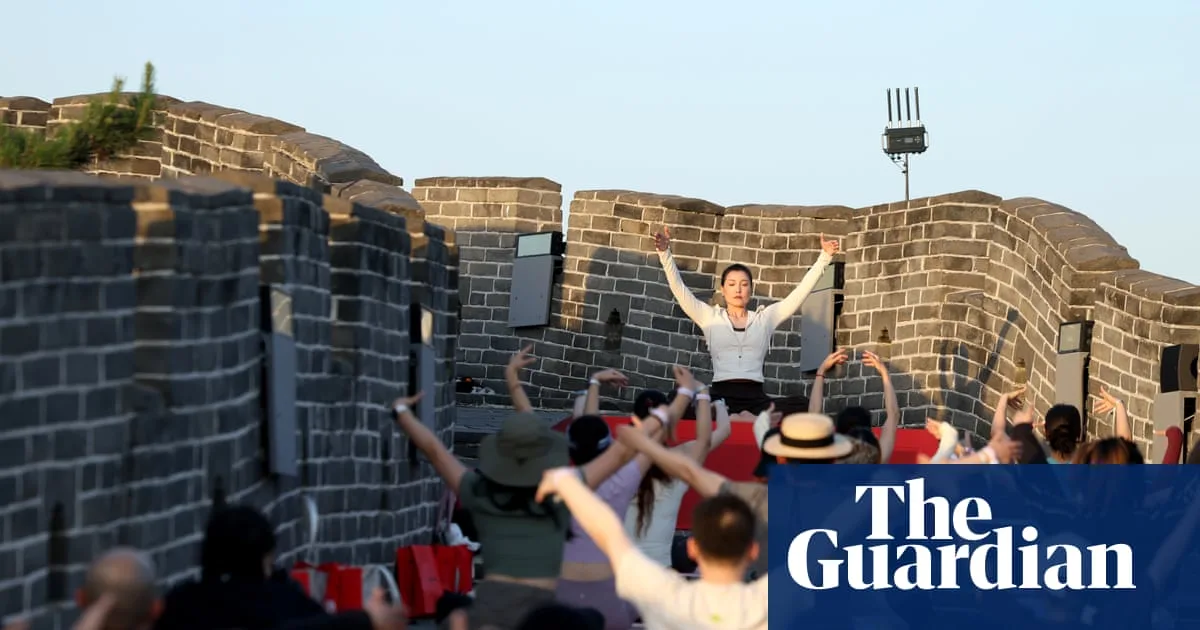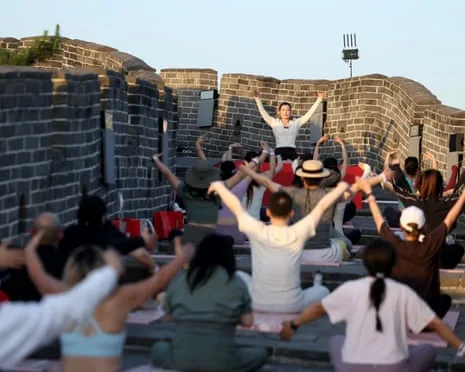
Lululemon held a yoga festival at the Great Wall of China on May 30, 2026, with over 2,000 participants attending the event featuring Chinese actor Zhu Yilong and the HiiKo Drum Group performing a drum piece [1, 2, 3]. The performance intended to showcase Chinese culture, but the drum played was actually a Japanese taiko (wadaiko) drum instead of a traditional Chinese dagu drum, sparking wide criticism on Chinese social media platforms [4, 1, 2, 5, 6].
The use of a Japanese drum at such a symbolic Chinese location triggered claims of cultural insensitivity and insult, with critics emphasizing the historical conflicts between China and Japan as a source of the public's outrage [1, 2, 3]. Chinese percussionist Xu Yang condemned the choice, stating it misleads the public and hurts national feelings due to historical contexts. He said, "Using a Japanese Taiko drum to showcase Chinese culture at a place like the Great Wall, which has massive symbolic meaning to the country ... would (not only) mislead the public, but also stir up historical memories of Chinese people" [5, 6].
Lululemon issued a public apology on its official Weibo account on June 16 or 17, 2026. The statement acknowledged gaps in professional knowledge and pledged to be more cautious and thorough in future event planning. "Due to limitations in our professional knowledge, we were unable to identify potential controversies initially, and we fully recognise that we should be more cautious and thorough in the early planning and review process of the drum performances," the apology said [1].
A company spokesperson added, "We deeply value the feedback received and recognise that we should have been more thoughtful and sensitive in our planning and review process for the drum performance. This has been a valuable learning for us, and we extend our sincerest apologies" [2]. Lululemon removed all related promotional content from its website and social media platforms after the backlash [1, 6].
Zhu Yilong’s studio also apologized, stating their commitment to "rigor and accuracy in cultural expression" and to being "firm inheritors of Chinese culture," while the HiiKo Drum Group pledged to improve its professional knowledge and humbly accept criticism and guidance [1, 6].
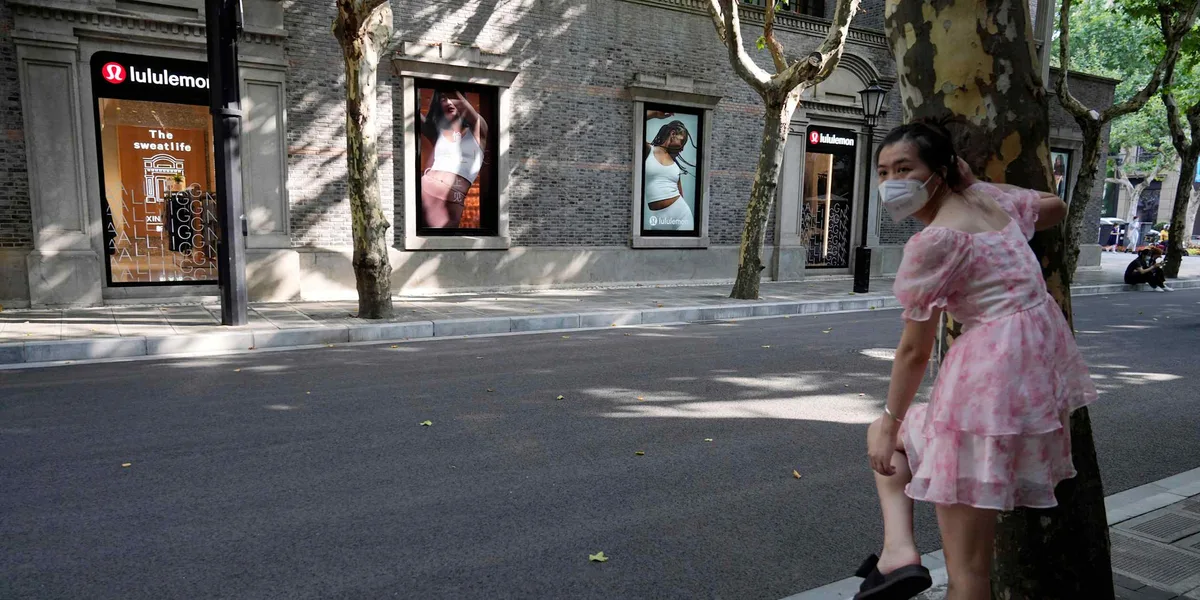
The controversy follows other recent criticisms of Lululemon China’s marketing, including an early June 2026 event on Shanghai’s Bund where participants practiced yoga in rain without backup gear, drawing negative attention [2, 3]. Lululemon China accounted for roughly 16% of the company’s group revenue in 2025, a key market amid a challenging year with the company’s shares falling about 46% due partly to weaker North American sales [4, 2, 3].
Chinese and other Western brands face rising cultural and political sensitivities in China, evident in prior incidents such as Arc'teryx's 2025 Tibetan Plateau fireworks controversy [1].
Lululemon’s next steps will likely focus on more stringent cultural review for China events to avoid further backlash after the apology and content removal in mid-June 2026.