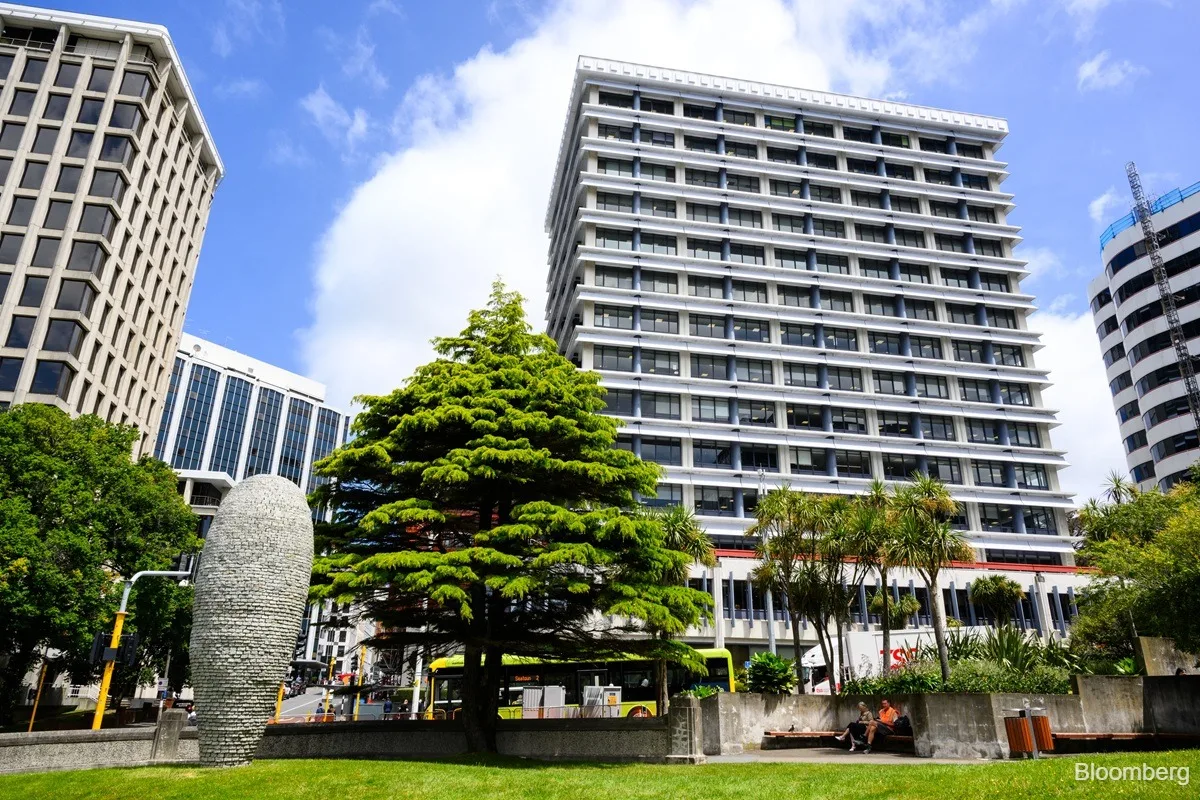
New Zealand's Reserve Bank announced a 25 basis point increase in its Official Cash Rate (OCR) to 2.5% on July 8, 2026. This is the first rate rise in three years, ending a period when the rate was held steady at 2.25% since November 2024 [1, 2, 3, 4].
The Monetary Policy Committee of the Reserve Bank unanimously approved the hike in an effort to reduce monetary stimulus amid inflation pressures that remain above the target range of 1% to 3% [1, 4]. The central bank expects inflation to have peaked at 3.9% in the June 2026 quarter and forecasts it will decline closer to 2% in 2027 [3].
Following the announcement, the New Zealand dollar gained about 0.4% against the U.S. dollar, rising just above 57 U.S. cents [1, 3, 4]. The bank noted, "With inflation still above target and economic activity expected to strengthen, some further reduction in monetary stimulus is likely to be required" [1].
The Reserve Bank also indicated that future OCR decisions will depend on evolving economic data, price-setting behavior, and the strength of economic activity, which will influence medium-term inflation pressures [4].
The increase from 2.25% to 2.5% reflects a cautious approach after a three-year pause, signaling the bank's readiness to tighten policy if inflation remains elevated. The next monetary policy meetings will likely consider additional rate hikes if inflation and economic indicators warrant further action.