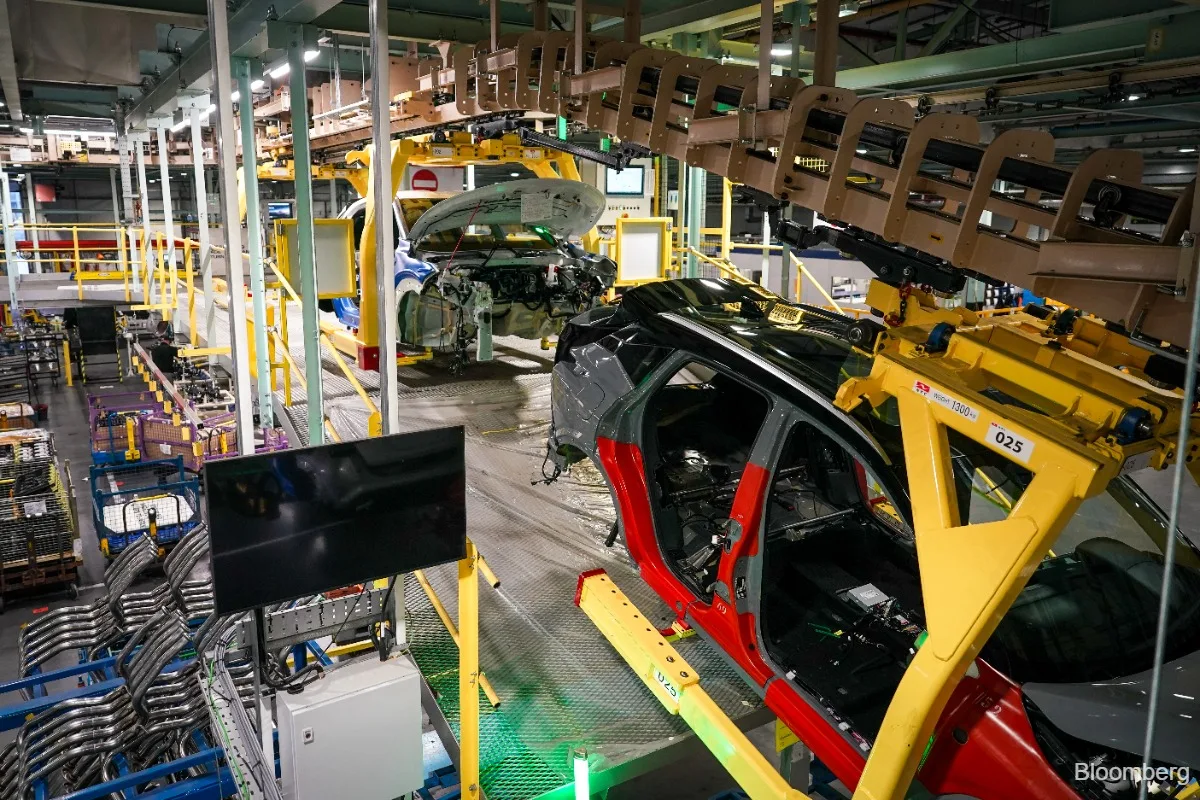
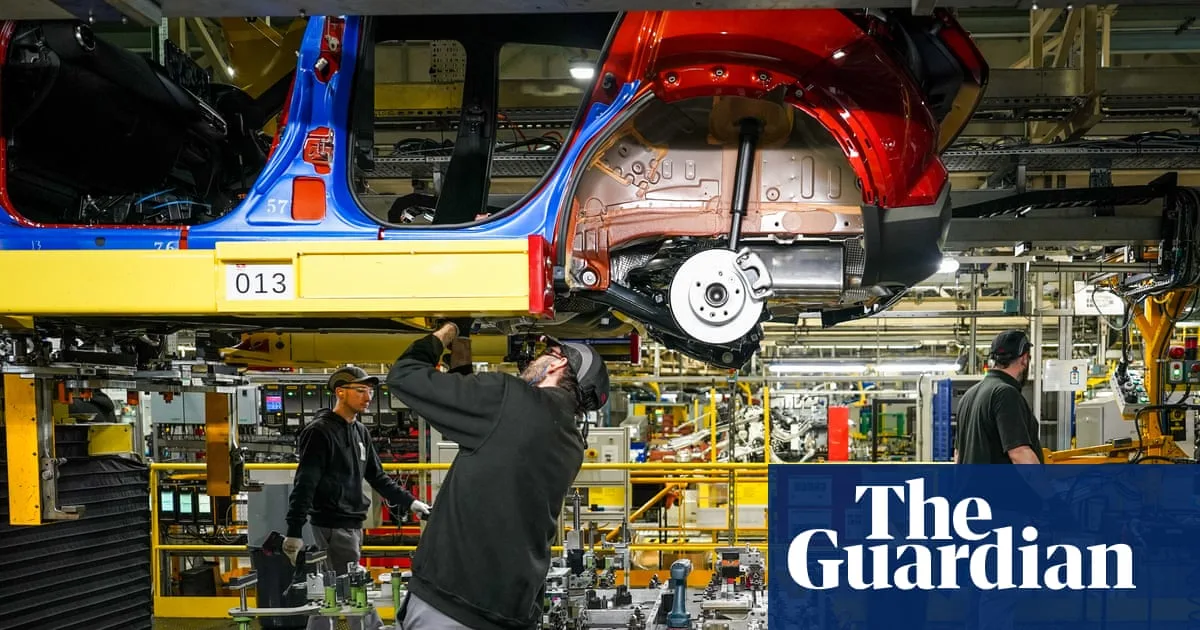
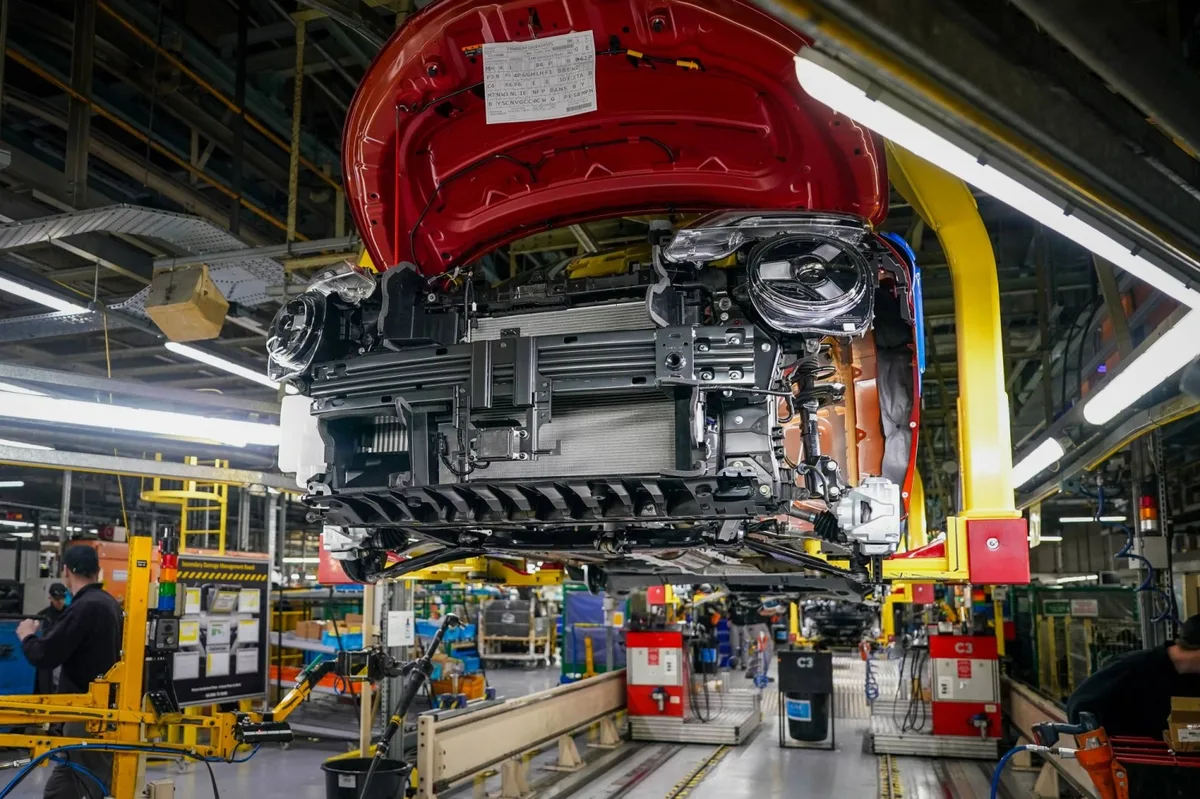
Nissan and Chinese automaker Chery signed a non-binding memorandum of understanding on June 3 to explore a manufacturing partnership at Nissan’s Sunderland plant in the UK [1, 2, 3, 4]. If finalized, Nissan would produce Chery vehicles on Line One of Sunderland’s factory, while retaining full ownership and operation of the plant, which employs about 6,000 workers [1, 2, 3, 4].
Nissan consolidated production into a single line at Sunderland in May 2026, freeing capacity for Chery to use the other line [1, 2, 3]. The partnership could start vehicle production as early as the 2027 financial year [2, 4]. However, details such as whether the cars would be hybrid or electric have not yet been clarified [2].
Chery owns several brands including Jaecoo, Omoda, and Chery itself. The Jaecoo 7 SUV was the UK’s best-selling car in March 2026, earning the nickname "Temu Range Rover" for offering a lower-cost alternative tied to discount platform Temu [1, 2, 3]. Chery aims to become a top-three car maker by UK sales and views producing vehicles domestically as a key step, according to Gary Lan, who said producing in the UK was on Chery's agenda "within the next few months" [2].
The company has been acquiring former Nissan manufacturing sites globally. It bought a former Nissan plant near Pretoria, South Africa, earlier in 2026 and plans to start production in the former Nissan plant in Barcelona, Spain, by late 2026 or early 2027 [1, 3, 4]. Chery owns a 40% stake in the joint venture operating the Spanish plant, aiming to produce up to 30,000 vehicles there in 2026 [3].
Nissan is undergoing global restructuring efforts, including cutting 900 European jobs last month and closing other plants as part of its shift [2, 3]. Other European automakers such as Stellantis, Ford, and Volkswagen are likewise exploring factory-sharing deals with Chinese automakers to maximize underused capacity [1, 4].
Massimiliano Messina of Nissan said, "This is an important step forward for our operations. We are looking forward to working with Chery International UK in the coming months to finalise a position that is optimal for both companies" [1, 2]. The companies’ negotiations continue with the formal start of production targeted for 2027 [2, 4].