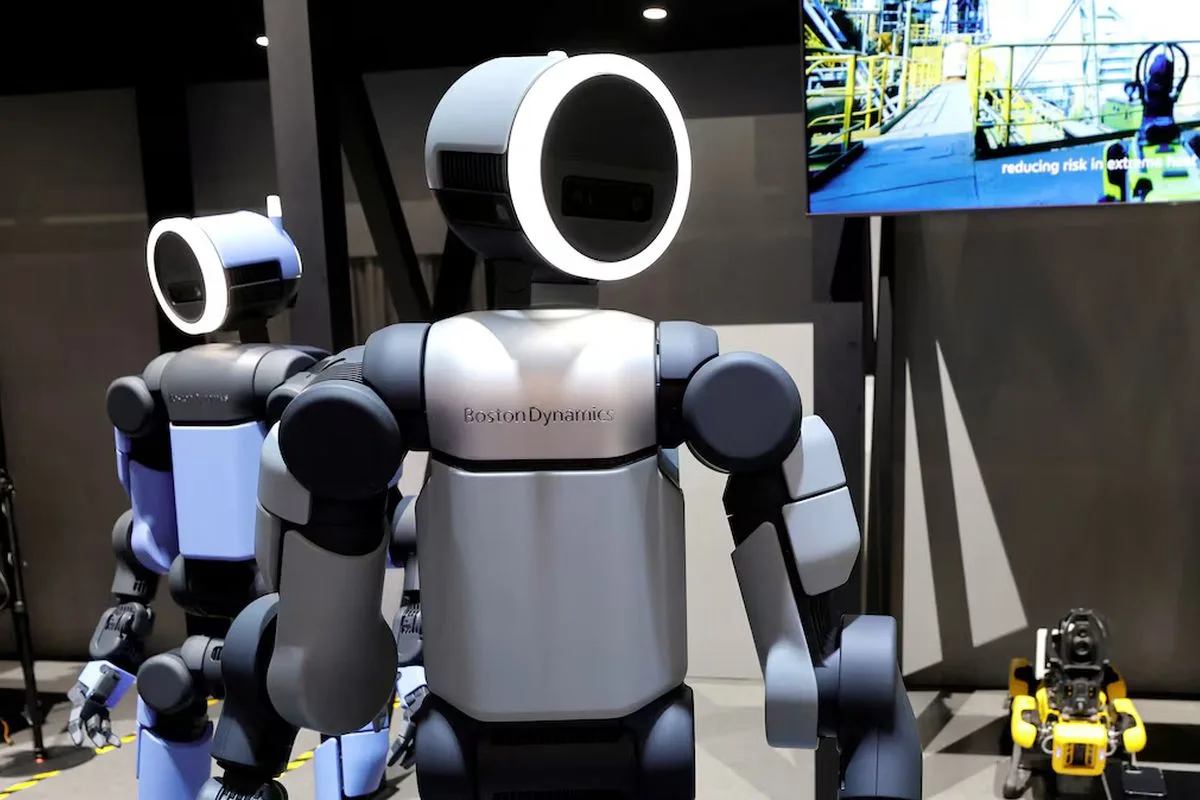
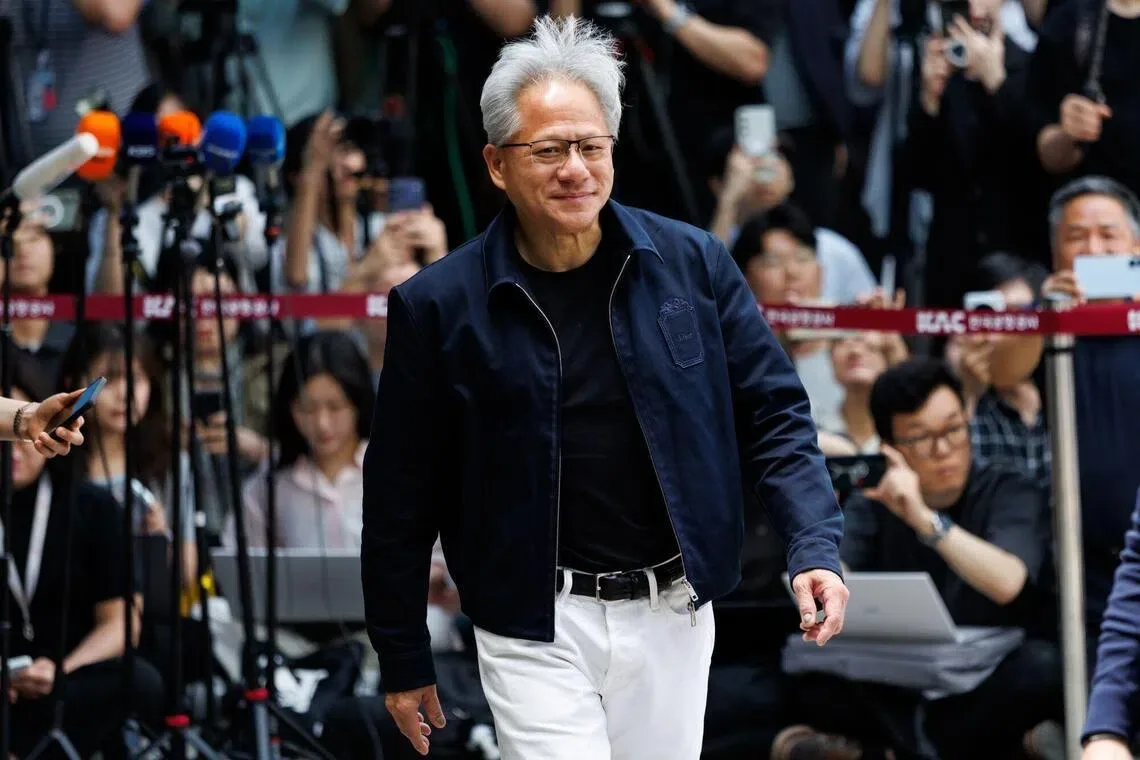
Nvidia CEO Jensen Huang arrived at Seoul's Gimpo International Airport on June 5 for his second visit to South Korea in seven months and declared robotics as the country's next major sector [1, 2, 3, 4, 5, 6]. He said, “Korea has many sectors to invest in. Robotics is going to be the next major sector here in Korea” [2]. Huang highlighted South Korea’s strengths in manufacturing, mechatronics, AI, and semiconductors as ideal foundations for robotics and physical AI applications. "The fusion of all of that technology is perfect robotics," he added [2].
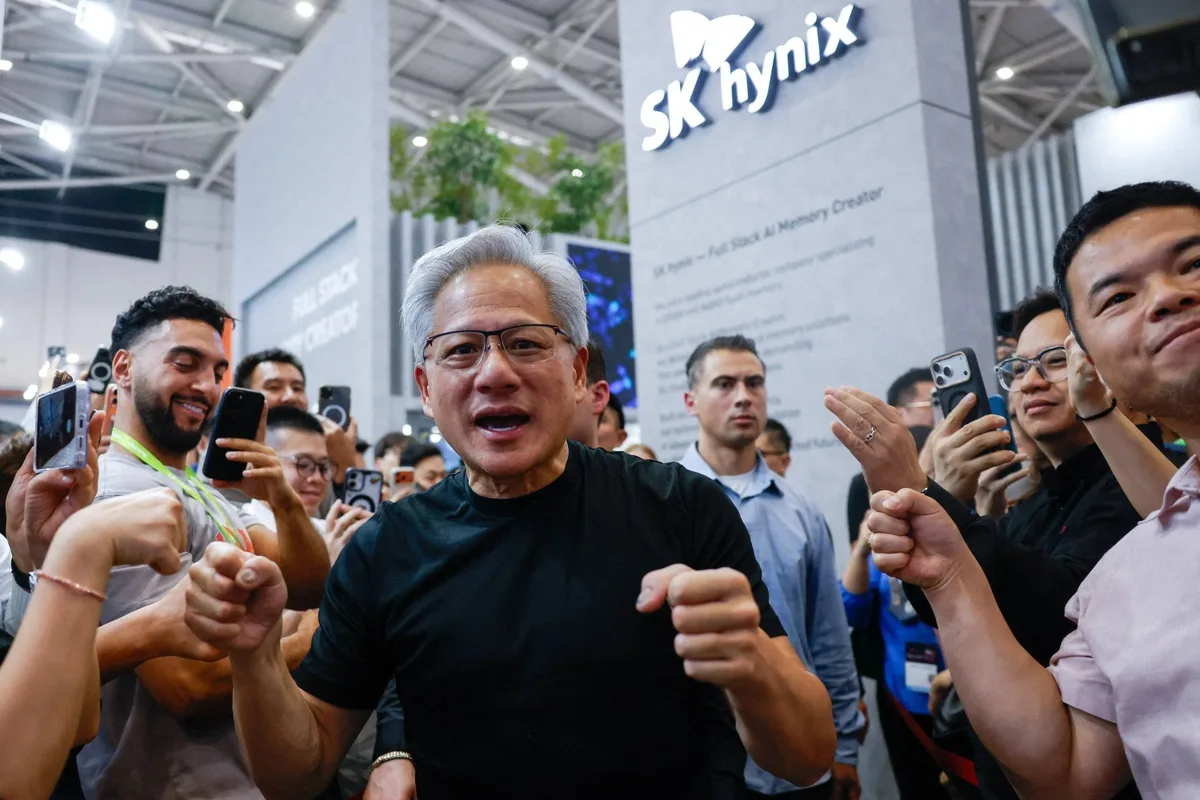
Huang emphasized that semiconductor manufacturing will increasingly rely on robotics and AI, creating partnership opportunities with Korean chipmakers. “The manufacturing of semiconductors will become increasingly robotics and increasingly AI driven in the future,” he said [2]. South Korea produces about 70% of the memory chips needed for Nvidia’s AI processors, mainly through Samsung Electronics and SK Hynix [2, 3, 4, 7, 8, 9, 5, 6]. Nvidia views South Korea as a critical part of its AI semiconductor and physical AI ecosystem spanning robots, cars, and factories [1, 2, 7, 8, 9, 6].
During his visit, Huang planned meetings with executives from Hyundai Motor, LG, SK Hynix, Samsung Electronics, and Naver [1, 2, 3, 4, 5, 6]. He also visited an internet cafe, meeting esports star Lee Sang-hyeok (Faker) alongside his daughter Madison Huang, who wore a T1 esports team uniform [2, 3, 4, 5]. In the evening, Huang was scheduled to have a pork barbecue dinner with LG Group Chairman Koo Kwang-mo, SK Group Chairman Chey Tae-won, and Naver founder Lee Hae-jin [2, 3, 4, 5]. Huang said he brought “a lot of business” for Korea and hinted at “some surprises” around investments and partnerships [2]. He also expressed his fondness for Korean barbecue and fried chicken [2].
The visit underscores Nvidia's deepening ties with South Korean firms amid growing geopolitical tensions, which have boosted South Korea’s strategic role in the semiconductor supply chain [8, 9, 6]. South Korea’s semiconductor exports surged nearly 170% in May 2026, reflecting strong economic momentum and rising prominence in AI technology [9].
Huang, 63, also planned public goodwill events, including throwing the first pitch at a baseball game and appearing on a popular Korean TV talk show [7, 8, 5]. The visit signals ongoing cooperation and expansion plans between Nvidia and South Korean companies in advanced AI chip production and robotics.
South Korea’s population stands at about 50 million. Nvidia has committed to supply more than 260,000 advanced AI chips to South Korean government and businesses [8].