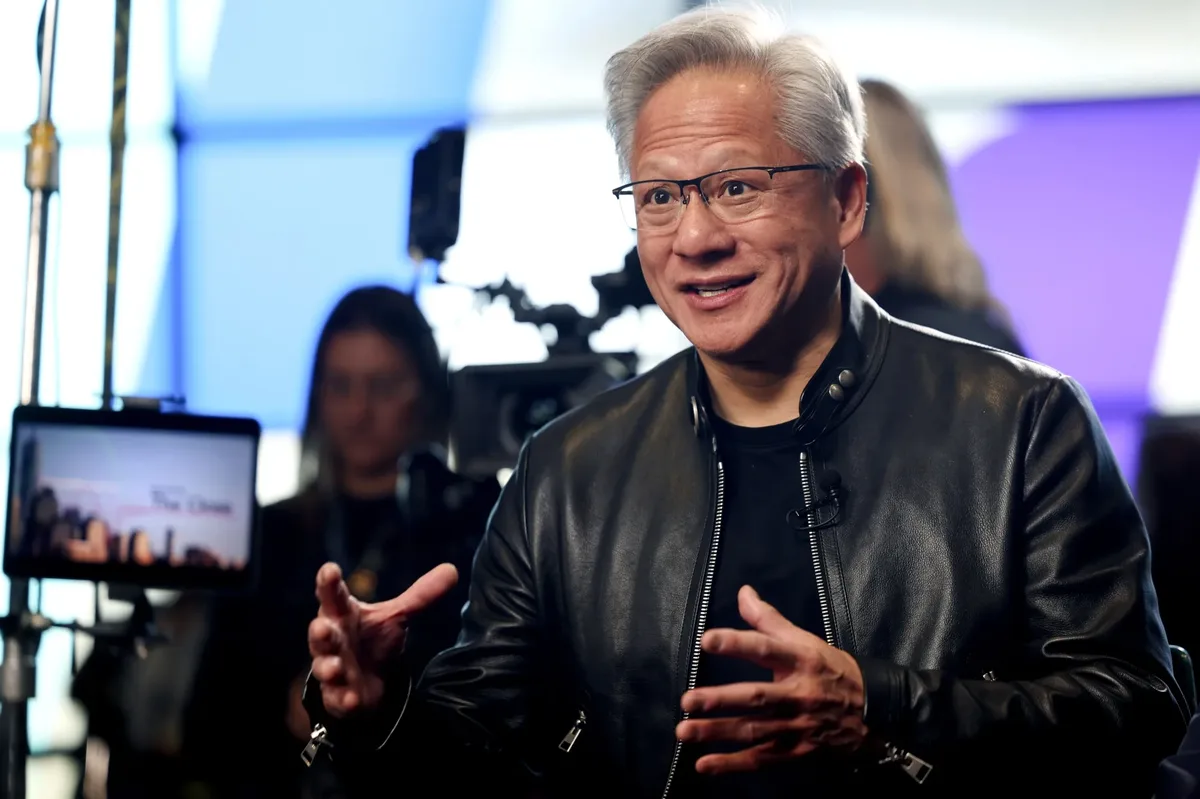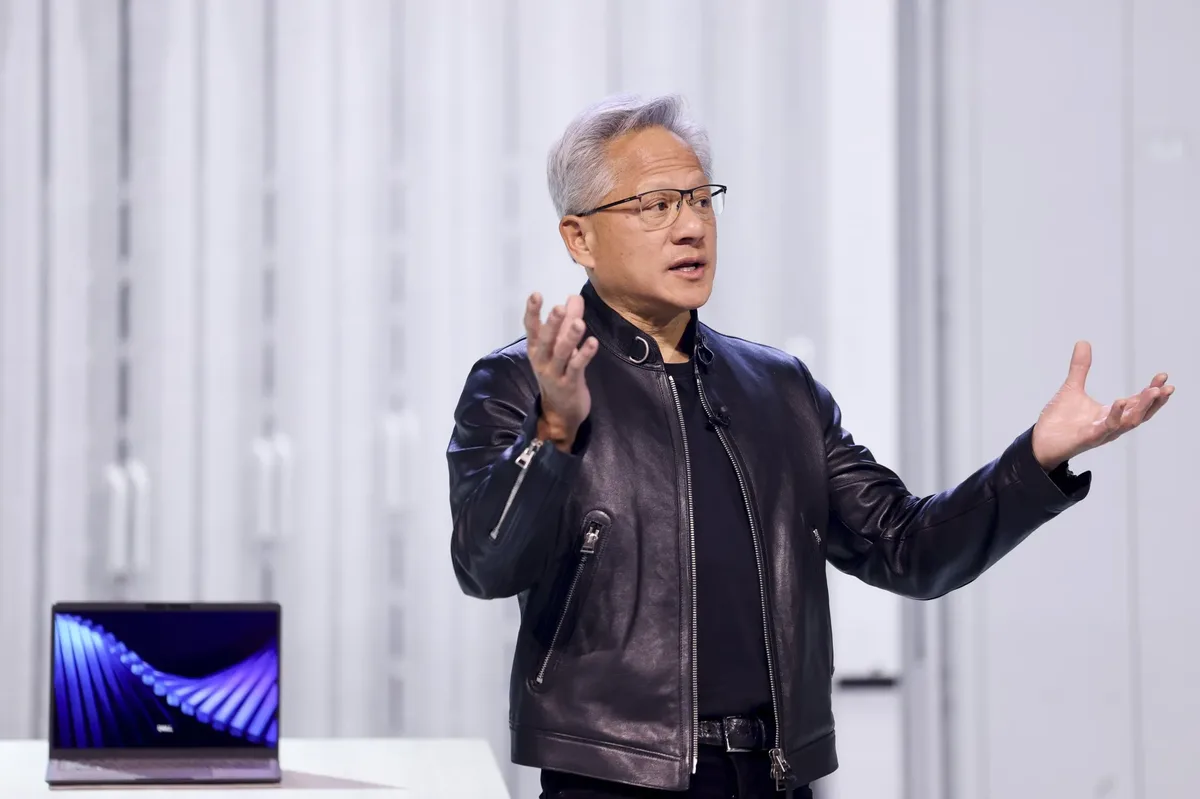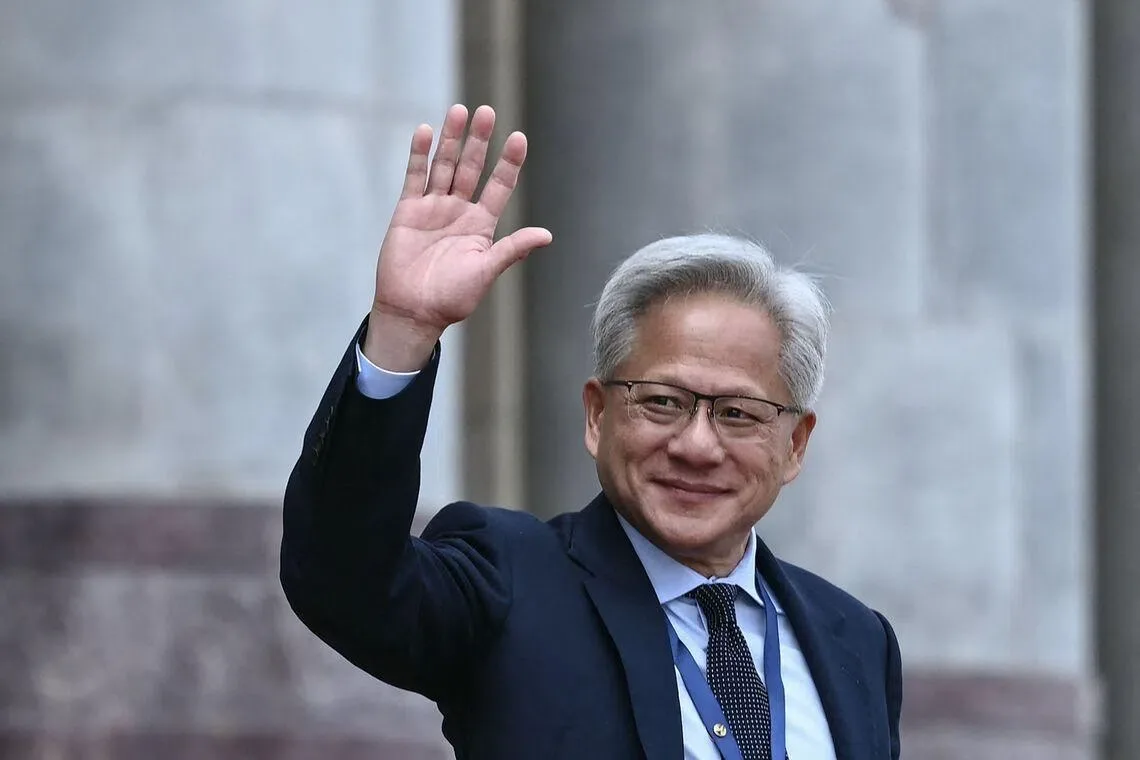
Nvidia CEO Jensen Huang said he expects Chinese authorities will eventually allow imports of AI chips from the US, signaling hope for future market access despite current restrictions [1, 2, 3, 4]. Huang gave the comment following his participation in a US-China summit in Beijing May 14-15, 2026, where he joined President Donald Trump and other top US business leaders in discussions with Chinese officials [1, 2, 3, 4, 5].
The US agreed in December 2025 to ease export controls and allow Nvidia to ship its H200 AI chips to China, with the US Commerce Department granting licenses. However, Chinese approvals for these shipments have yet to be given, as Beijing continues to delay purchases in an effort to protect its semiconductor industry and support local companies like Huawei [2, 3, 4, 5]. Huang said, "The Chinese government has to decide how much of their local market do they want to protect. My sense is that over time the market will open" [1].
President Trump acknowledged that Nvidia’s H200 chips were discussed during his trip to China but said China declined purchases to focus on domestic development. "Nvidia’s H200 chips did come up, and I think something could happen on that. China hasn’t approved purchases because they chose not to, they want to develop their own," Trump said [2, 3, 4]. Huang also noted, "President Trump had some conversations with the leaders and I’m looking forward to what they decide" [2].
Despite the lack of Chinese approvals, Nvidia identifies China as a $50 billion AI chip market opportunity. Previously, Nvidia forecast near-zero sales in the region for early 2026 due to restrictions [2, 3, 4]. However, one assessment suggested Nvidia has “largely conceded” the Chinese AI chip market to Huawei amid these export limitations [5]. Huang observed, "Huawei is very, very strong. They had a record year, they'll likely, very likely, have an extraordinary year coming up, and their local ecosystem of chip companies are doing quite well, because we've evacuated that market" [5].
Nvidia reported a record $81.62 billion in revenue for Q1 2026, up 85% year over year, and announced an $80 billion share buyback program [6, 7, 5]. The company projects Q2 2026 revenue around $91 billion [6, 7]. Huang highlighted Nvidia’s launch of Vera, the world’s first CPU designed for agentic AI, targeting a new $200 billion market [7]. He also forecast rapid growth in AI infrastructure spending by hyperscalers to $3 to $4 trillion annually by decade’s end [8].
The US-China summit and Huang’s comments mark the latest engagement on semiconductor trade. Discussions on Nvidia’s H200 shipment approvals could continue as Beijing weighs its market protection policies vs. tech demands.
Nvidia’s next quarterly earnings report and updates on export licenses will be key to watching whether the AI chip market in China opens to US suppliers.