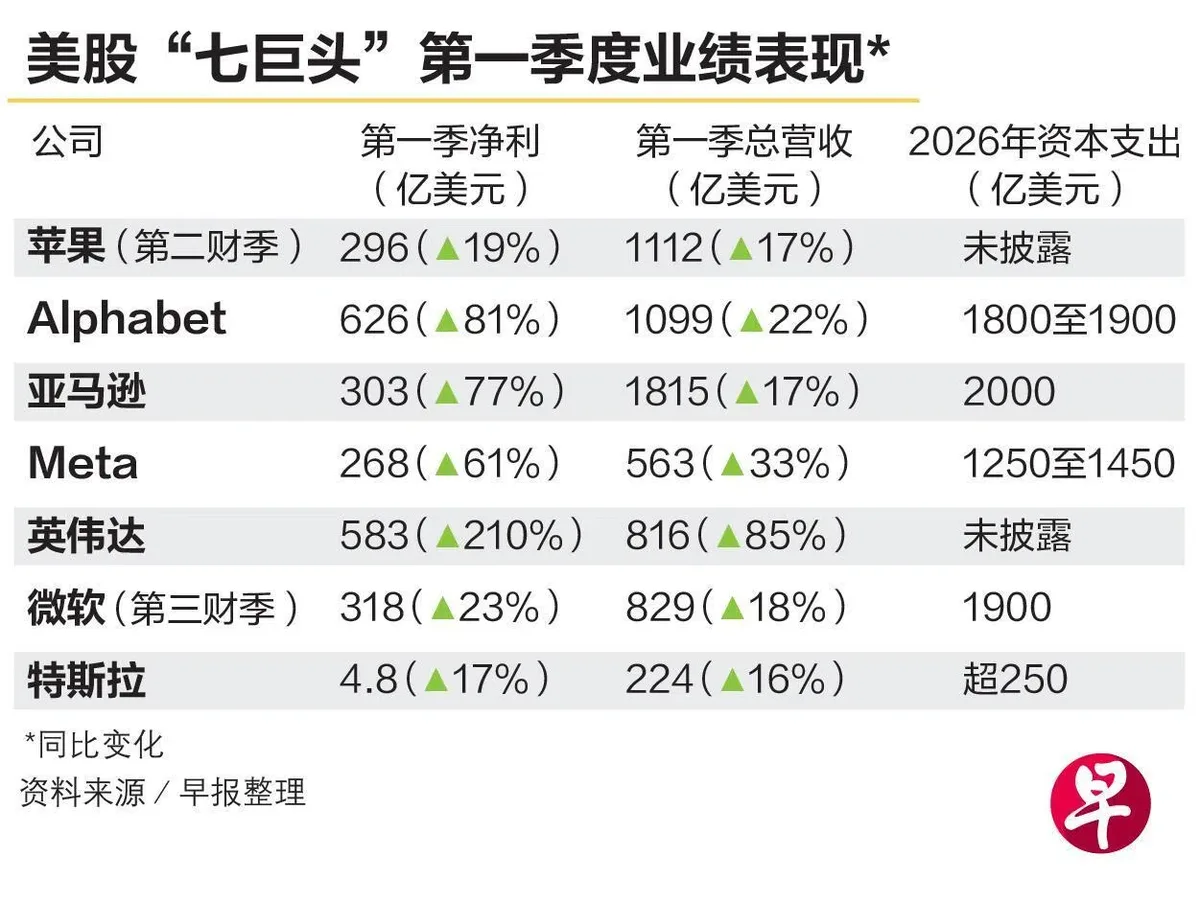
Nvidia reported fiscal 2027 first-quarter revenue of $81.6 billion, an 85% increase from a year earlier, driven by surging AI demand [1, 2, 3]. Net profit soared 211% year-on-year to $58.3 billion [1, 2, 3]. Its data center segment, which contributed about 92% of total revenue, posted a record $75.2 billion, growing 92% compared to last year [1, 3, 4].
The company announced an $80 billion stock buyback program and raised its quarterly dividend from 1 cent to 25 cents per share [1, 3, 4]. Nvidia projects second-quarter revenue around $91 billion, surpassing analyst expectations near $87 billion [1, 3, 4]. CEO Jensen Huang said "market demand for AI chips is exploding" and called the AI infrastructure growth "the largest infrastructure expansion in human history" [1, 3, 4].
Nvidia has invested about $90 billion over the past 16 months into more than 145 AI startups and companies, including $47 billion committed by January 25 and $43 billion in subsequent months, to strengthen its AI ecosystem [5, 6]. It is also committing hundreds of billions in capital to secure chip components and expand manufacturing capacity [5, 6].
However, key AI chip H200 remains under US export restrictions to China on national security grounds, excluding China revenue from Nvidia's forecast. Huang expects China will eventually open access to US AI chips [1, 4]. Some large Nvidia customers such as Google, Amazon, Meta, and Microsoft are developing custom AI chips to reduce dependence on Nvidia GPUs [4, 7]. Despite record results and upgraded guidance, Nvidia's stock fell about 1-1.3% in after-hours trading amid investor concerns over growth sustainability [1, 8, 3, 4, 7]. AJ Bell Market Director Dan Coatsworth noted that investor worries about Nvidia's fast growth sustainability dragged shares down [8].
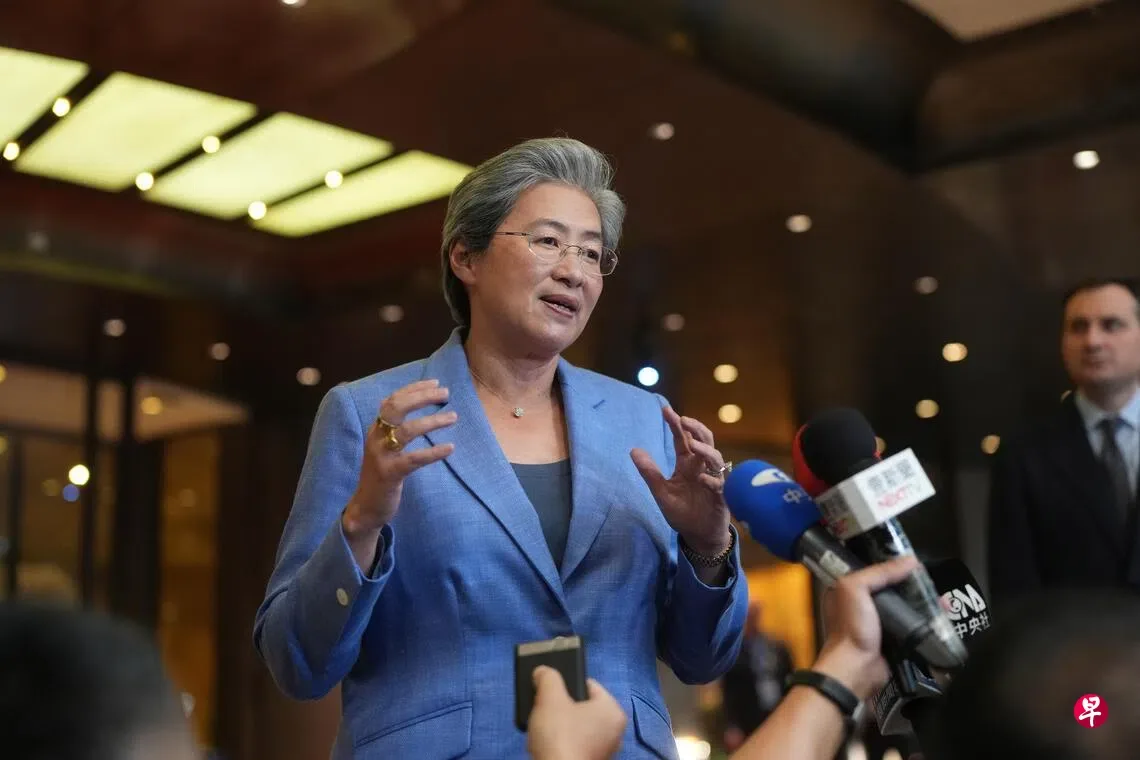
Separately, AMD CEO Lisa Su pledged over $10 billion to develop Taiwan's AI sector, partnering with local firms ASE, Powertech, Sanmina, and Inventec to expand AI infrastructure [9, 10, 11]. AMD is increasing advanced packaging, substrate, testing, and integration capacity in Taiwan from 2026 to 2029 [10]. Su described AI as a "real long-term technology wave" and said their customers are expanding AI infrastructure to meet rising computing needs [9, 10]. AMD's market value has more than quadrupled over the past year to approximately $733 billion [10].
Major US tech firms including Alphabet, Amazon, Meta, Microsoft, and Nvidia are collectively raising capital expenditures on AI infrastructure this year to nearly $7 trillion globally [8, 4, 7].
Nvidia’s next major earnings report and updates are expected with its fiscal second-quarter results, where it forecasts $91 billion revenue for the quarter [1, 3, 4].