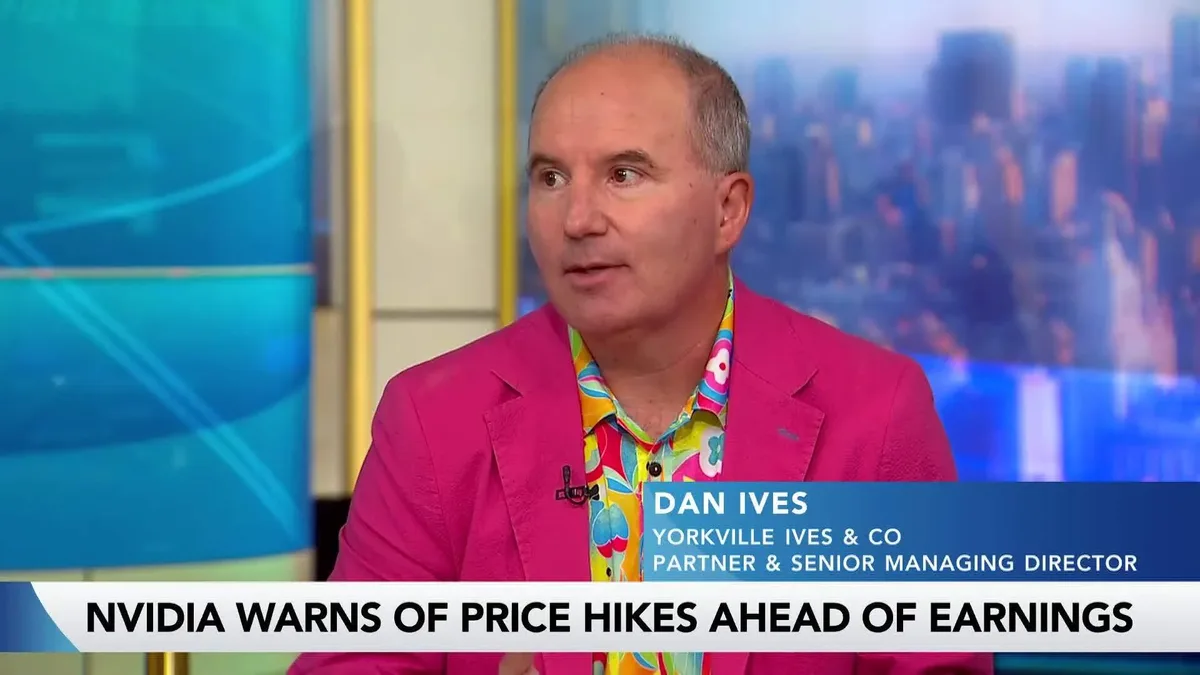
Nvidia has informed several of its largest clients that prices for AI servers using its chips will rise by more than 15% in many cases beginning early 2027 [1, 2, 3, 4, 5]. The increases will affect AI server systems built on Nvidia’s flagship Vera Rubin and Grace Blackwell chip platforms [3, 4, 5]. Some of the major data center operators impacted include Microsoft, Google, and Oracle, whose server manufacturers have relayed the price hikes to customers [4, 5, 6].
The primary cause behind the price boosts is a sharp rise in memory chip costs, including high bandwidth memory (HBM) and DRAM. These components are in tight supply due to surging AI infrastructure demand, giving suppliers such as Samsung, SK Hynix, and Micron strong pricing power [1, 3, 4, 6, 7, 8]. Sanjay Mehrotra, CEO of Micron, said "AI systems require more capacity, higher performance, and lower power memory, fundamentally changing the memory market" [9].
Though Nvidia maintains a high gross margin of about 75%, the company cannot fully absorb the rising memory costs and must pass the increases to customers [4, 6, 7]. The price hikes will raise data center build costs for hyperscalers and could lead to higher prices for AI compute rentals [6, 7, 8]. Similar memory price pressures are also affecting consumer electronics, including Amazon Echo, Fire TV devices, Microsoft Xbox consoles, and PCs [7, 8].
On August 23, 2026, Nvidia CEO Jensen Huang made a private visit to Taiwan likely to discuss next-generation AI chip production capacity and server pricing with supply chain partners [5, 7]. Taiwanese firms such as TSMC, Nanya Technology, Quanta, Hon Hai, and Wistron stand to benefit financially from the higher average selling prices for AI servers and components [3, 5, 9, 10]. Taiwanese AI server component stocks, including Nanya Technology and Winbond, have already seen price gains amid the memory cost surge [3, 5, 6, 8, 9].
Nvidia is scheduled to release its fiscal Q2 2027 earnings report on August 26, 2026. Investors will focus on memory supply dynamics and the outlook for AI server demand [2, 3, 6, 11, 8, 10]. Some market watchers remain cautious, citing risks related to demand concentration among a few hyperscalers and potential capital spending slowdowns [11].
Nvidia is also reportedly investing $60 billion in AI model licensing and has hired over 100 employees from AI startup Poolside to bolster its AI efforts [6]. Proxy agreements on memory supply have mitigated some cost increases for Nvidia's OEM partners [10].
The AI server price for a cabinet using Nvidia’s Vera Rubin system is estimated to rise to about $9.1 million USD after the hike [5]. The company’s next earnings report on August 26 will provide further clarity on how memory costs and AI demand will shape Nvidia’s near-term prospects.