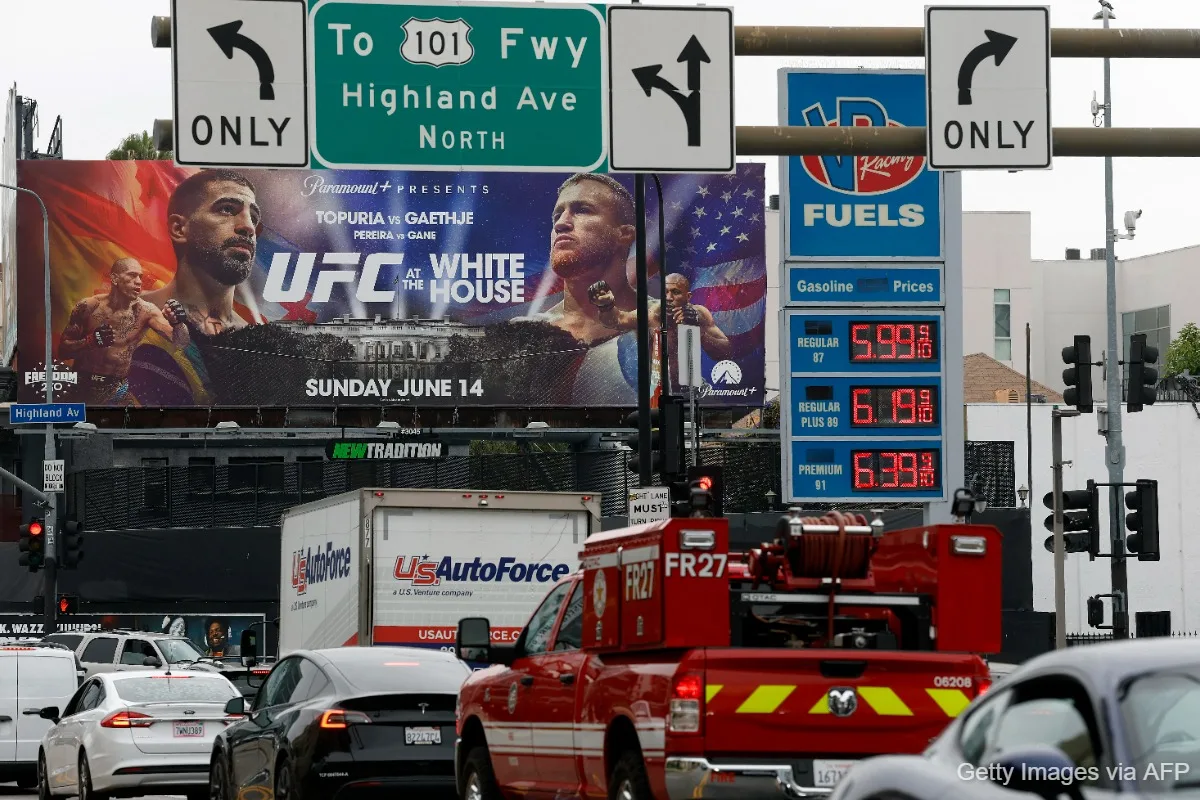
The Organisation for Economic Co-operation and Development (OECD) reduced its global economic growth forecast for 2026 from about 2.9%-3.0% to 2.8%, assuming Gulf oil and gas exports return to pre-conflict levels by the third quarter of 2026. This update was released on June 3 and reflects disruptions caused by the ongoing Middle East war [1, 2, 3, 4, 5, 6, 7].
If the conflict continues into 2027 without resolution, the OECD projects global growth could slow further to around 2.1% in 2026 and fall to about 1.8% in 2027 [1, 2, 3, 8, 4, 5, 6, 7]. It also expects global inflation to rise to 4.0% in 2026 from 3.4% in 2025 even if the fighting ends in the next few weeks [2, 3, 8, 5, 6].
OECD chief economist Stefano Scarpetta emphasized the economic toll of ongoing conflict, saying, "The longer the disruptions last, the larger the economic and social costs become." He warned many countries risk recession and declining investment, including in energy-intensive AI infrastructure, which could elevate unemployment levels [2, 4].
The United States economy is forecast to slow from 2.1% growth in 2025 to 2.0% in 2026 and 1.8% in 2027 under the time-limited disruption scenario. The Eurozone is expected to see GDP growth slow to 0.8% in 2026 from 1.4% in 2025, assuming a ceasefire is secured soon [2, 3, 8, 6].
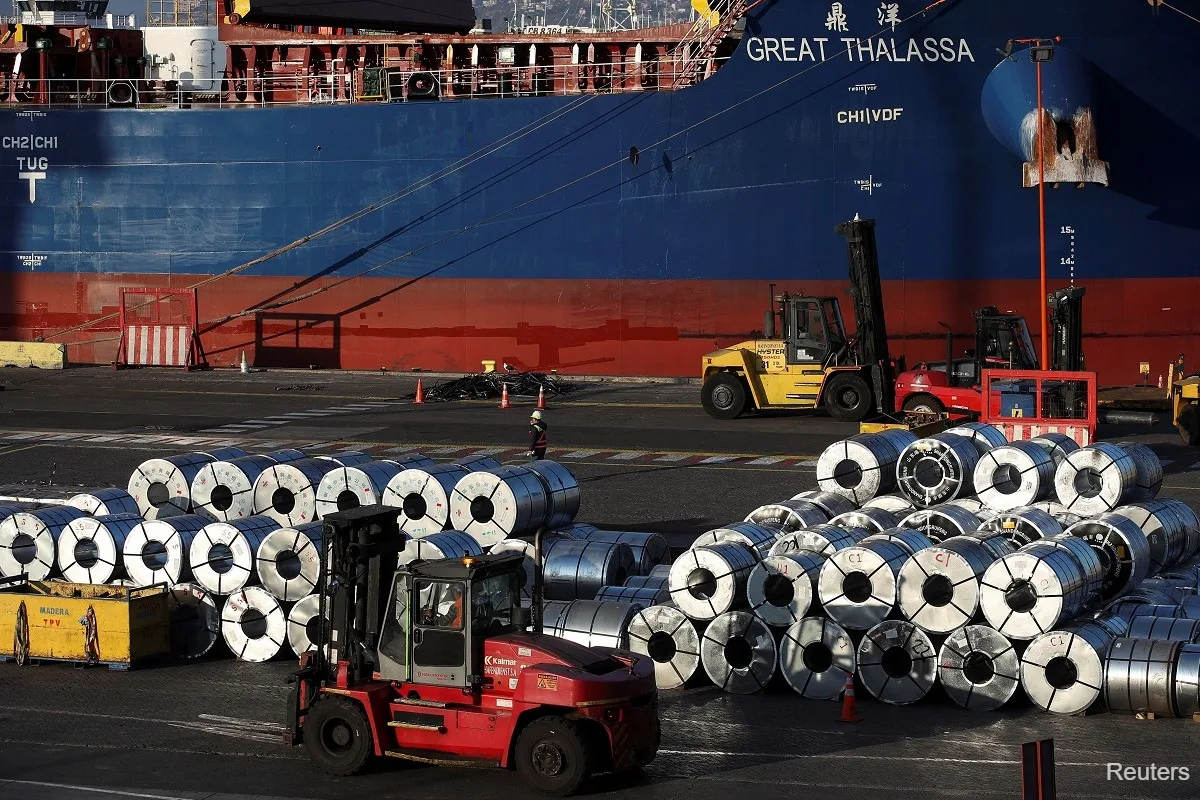
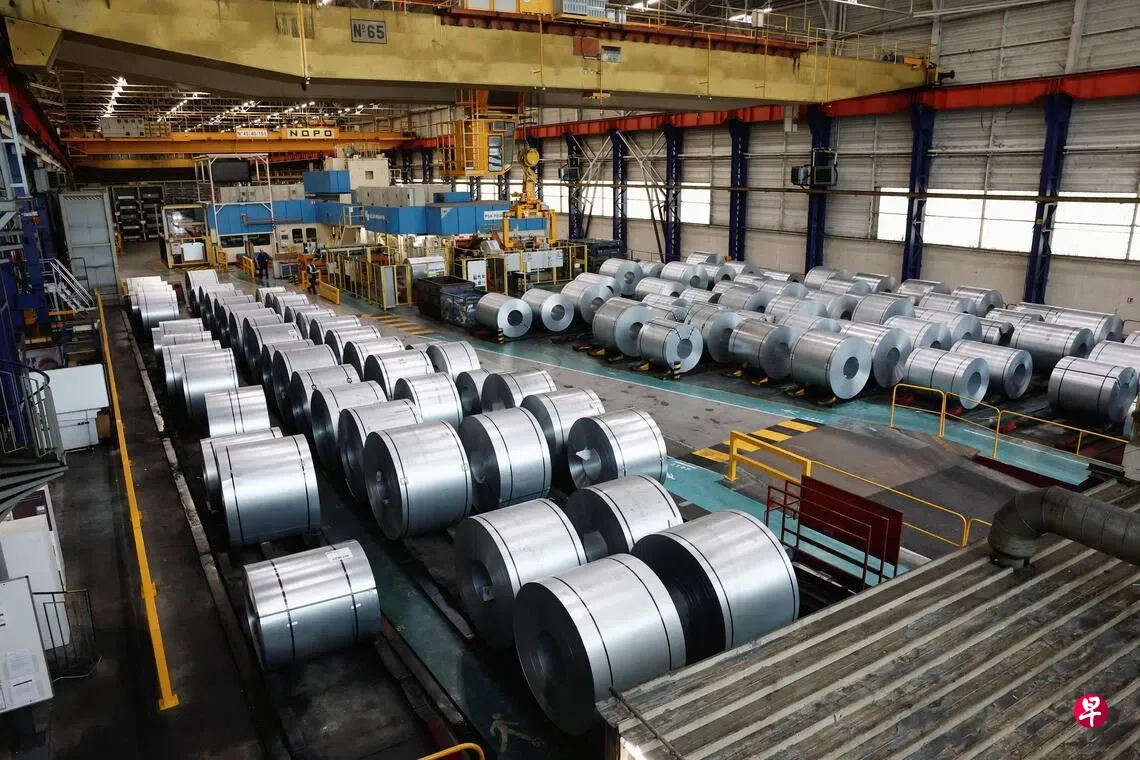
Separately, the OECD released its Steel Outlook 2026 report on June 4, identifying mounting pressures on the global steel sector. Excess production capacity, weak demand, rising energy prices, and market distortions from subsidies are squeezing the industry worldwide [9, 10, 11]. China accounts for 54% of the global excess steel capacity. Its subsidies to steelmakers are 15 times higher relative to assets than those in other countries in 2024 [9, 10, 11].
Global excess steel capacity reached 640 million tonnes in 2025 and is projected to rise to 745 million tonnes by 2028, representing more than one-third of total demand. OECD Secretary-General Mathias Cormann said, "Excess capacity distorts global markets, undermines economic security and resilience, and stands in the way of innovation and sustainability." The OECD warned that if current trends continue, the long-term viability of the steel sector and the economic security of many nations are at risk [9, 10, 11].
China's Ministry of Commerce criticized the OECD steel subsidy report, calling it biased and alleging it ignores China's real advantages like scale, efficiency, and technological progress [10].
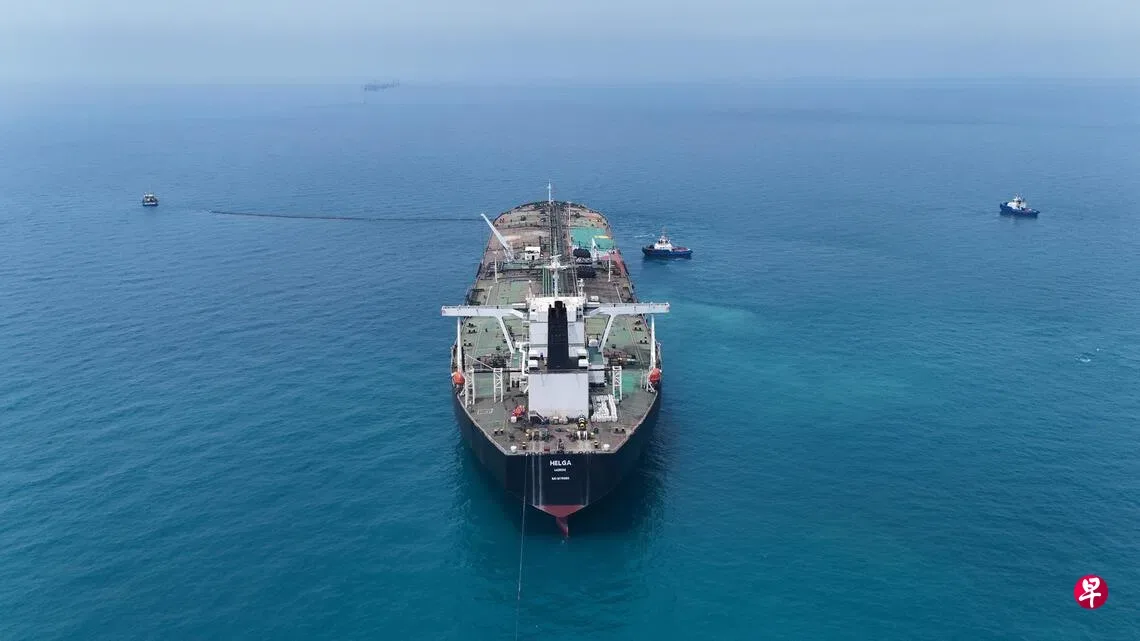
Meanwhile, Iraq announced plans to increase its oil exports via Mediterranean ports to bypass the blocked Strait of Hormuz. It aims to raise shipments from 220,000 to 770,000 barrels per day to ease supply disruptions [8].
Fitch Ratings also downgraded its global growth forecast for 2026 to 2.4%, citing negative impacts from the US-Iran war and rising oil prices [12].
The OECD's next scheduled update on the economic impact of the Middle East conflict is expected later this year as conditions evolve.