OPEC+ ministers agreed virtually on July 5, 2026, to raise oil production targets by 188,000 barrels per day starting in August 2026, continuing the phased unwinding of output cuts made since 2023 [1, 2, 3, 4, 5, 6, 7, 8, 9]. The cumulative production increase since February 2026 stands at about 940,000 barrels per day [1, 4, 10, 9].
The core group of seven OPEC+ countries involved in these decisions includes Saudi Arabia, Russia, Iraq, Kuwait, Kazakhstan, Algeria, and Oman [1, 2, 3, 5, 10]. However, actual production remains below the agreed quotas, with much of the recent increases described as "on paper" rather than reflected in real output [1, 2, 3, 4, 6, 7, 9].
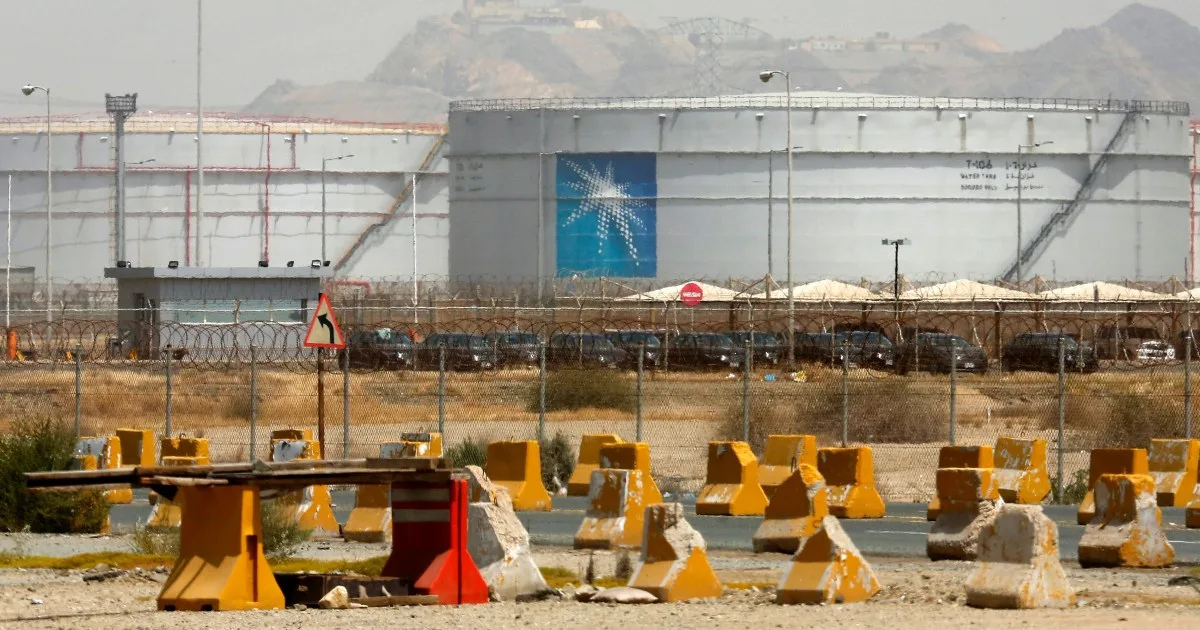
The 2026 oil supply faced disruptions from conflicts and geopolitical tensions. A war involving the US and Israel against Iran led to a partial closure of the Strait of Hormuz for months, severely restricting Gulf exports and forcing production cuts [1, 2, 3, 5, 6, 7, 8, 9]. Since a June 17 memorandum of understanding between the US and Iran to ease shipping obstacles, transit through the Strait has begun recovering but remains about 40% below pre-conflict levels. Early July 2026 shipments exceeded 10 million barrels per day but have not fully normalized [2, 10, 6, 8, 9].
Additionally, damage to Russian refineries from Ukrainian drone strikes prompted Russia to increase raw crude exports to compensate [2, 9]. Meanwhile, the United Arab Emirates officially left OPEC at the start of May 2026, complicating OPEC+ unity and market responses [1, 2, 4, 9]. Iraq has requested higher production quotas and warned it may leave OPEC if demands are unmet [1, 4, 9].
Brent crude prices fell from over $120 per barrel mid-year to about $72 per barrel by early July amid easing supply fears and partially restored Strait traffic [1, 2, 4, 10, 9]. Market analysts noted the limited impact of the recent incremental output increases given ongoing constraints and the UAE’s departure. Tony Sycamore, a market analyst, said, "Given the UAE exit and that production is still recovering after the conflict, these increases have little real impact." Giovanni Staunovo of UBS noted OPEC+ is likely to continue "phased cancellation of cuts at the same pace as prior months," but output remains below target [6, 9].
OPEC+ said it would keep a cautious approach, retaining flexibility to adjust production as market conditions dictate [10]. The group has scheduled its next meeting for August 2, 2026, to review market developments and production outlook [10].