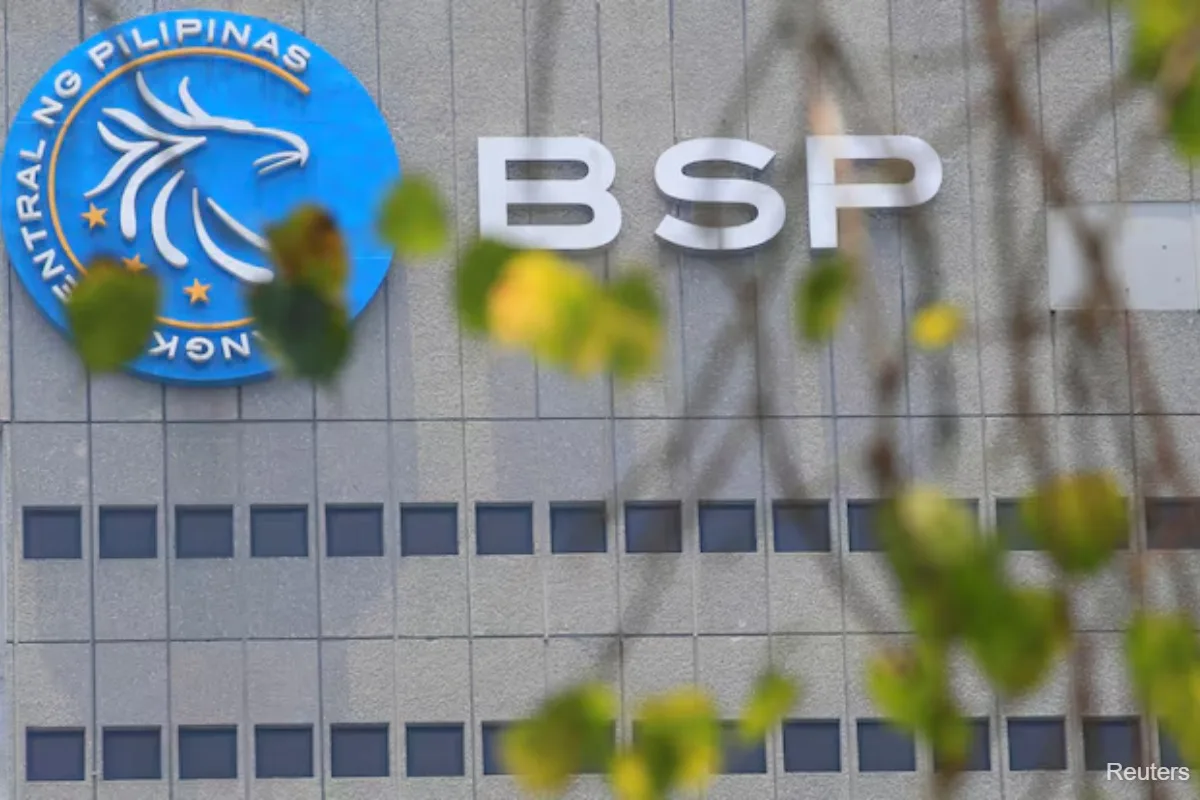
The Philippine central bank said today it is weighing an off-cycle interest rate increase ahead of its scheduled June 18 policy meeting to combat persistent inflation pressures [1, 2, 3]. Governor Eli Remolona said, "It's a toss-up whether we do an off-cycle, or we just wait for the regular meeting," adding that whatever action is taken, "we want to convey the message that we're trying to be proactive. We're trying to stay ahead of the curve and that we're serious about inflation" [1, 3].
In April 2026, the central bank raised its key policy rate by 25 basis points to 4.50%, but Remolona said that move "didn't seem enough" amid a large and persistent supply shock affecting inflation [1, 2, 3]. Rising fuel prices have sparked worries that higher pump prices could lift the cost of other consumer goods [1, 3].
The Philippine peso has weakened roughly 4.6% against the US dollar recently, breaking the 60-peso level, adding further pressure on inflation and monetary policy [1, 3]. The central bank held an off-cycle meeting on March 26, the first of its kind in Asia, signaling its willingness to act outside regular schedules to address rapidly changing conditions [1, 3].
Regional inflation concerns are also influencing monetary moves. On May 20, Indonesia surprised markets with a 50-basis-point rate hike to support the rupiah amid similar pressures from Middle East disruptions and high oil import costs [1, 3]. India, Indonesia, and the Philippines remain vulnerable to inflation and capital outflows due to these external shocks [1, 3].
The Philippine central bank’s next regular policy meeting is set for June 18, but any off-cycle decision could come sooner if inflation risks intensify. Policymakers continue to monitor supply shocks and currency fluctuations as they weigh further tightening measures [1, 2, 3].