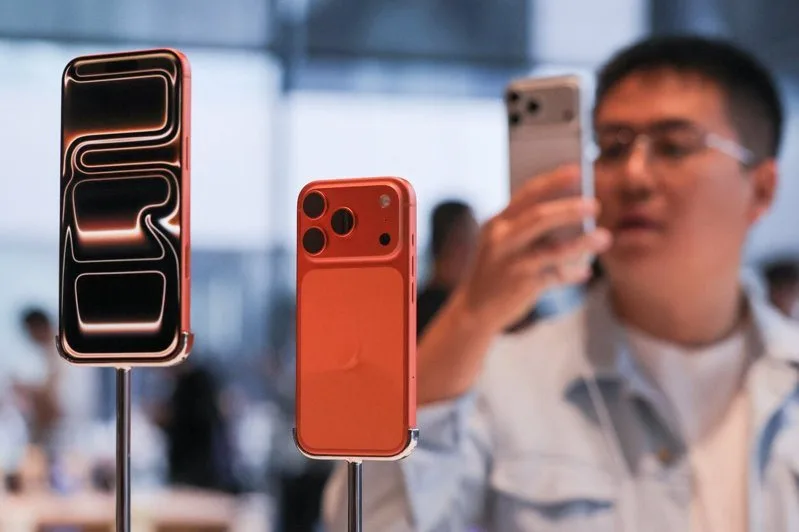
Global smartphone shipments declined between 6.7% and 11% year-on-year in the second quarter of 2026, reaching their lowest level since 2013 for that quarter. The shipments totaled 277.5 million units according to IDC data [1, 2]. This drop is mainly attributed to shortages in memory chips and skyrocketing memory prices, which pushed up component costs and constrained device supplies worldwide [1, 3, 2].
Memory chip costs surged approximately 300% year-on-year, now comprising over 65% of the bill of materials for low-end smartphones. IDC analyst Nabila Popal said, "Memory chip costs have risen nearly 300% compared to one year ago, now accounting for over 65% of the cost of low-end phones. This is putting increasing pressure on these manufacturers' survival" [3, 4, 5]. The shortage intensified polarization between the high-end and low-end segments, with consumers either opting for premium devices earlier or delaying upgrades to manage rising prices [1, 3, 4]. Francisco Jeronimo, IDC Global VP, explained the market effect: "The polarization between the high-end and low-end smartphone markets intensified further in Q2 2026 due to the ongoing memory crisis." [1]
Samsung Electronics regained the global smartphone market lead with a 24% share in Q2, supported by strong Galaxy S26 series sales and its integrated position as a major memory chip manufacturer. This helped Samsung mitigate supply challenges that hit competitors hard [2, 6, 7]. Apple’s global iPhone shipments grew about 3% year-on-year, achieving a record 20% market share for the quarter despite supply pressures and a slight shipment decline in China. Apple was the only major brand that did not raise iPhone prices during this period [2, 6, 7, 8, 5].
Chinese smartphone makers Xiaomi, Oppo, and Vivo faced sharp double-digit shipment declines, with their global market shares falling to approximately 12%, 11%, and 8%, respectively [2, 7, 9]. In China, the total smartphone market contracted about 4.3% year-on-year in Q2 2026, but Huawei and Apple both grew shipments by about 20% in that market [3, 4]. There is a clear market split as high-end demand remains relatively resilient while entry- and mid-level phones experience the most pressure [2, 9, 5].
Additional factors pressuring demand and supply chains included geopolitical tensions such as conflicts in the Middle East, as well as rising oil and shipping costs [9, 8]. The South Korean KOSPI stock index fell sharply on August 13, 2026, leading to plunges in Samsung and SK Hynix memory chip stocks amid market fears over a semiconductor slowdown [2, 7, 9].
Industry analysts expect the memory shortage and elevated prices to persist into 2027, keeping the smartphone market environment difficult. The global annual shipment decline for 2026 is forecast around 14%, the lowest annual volume since 2013 [2, 7, 9]. The next major market update is expected after Q3 2026 reports are released later this year.