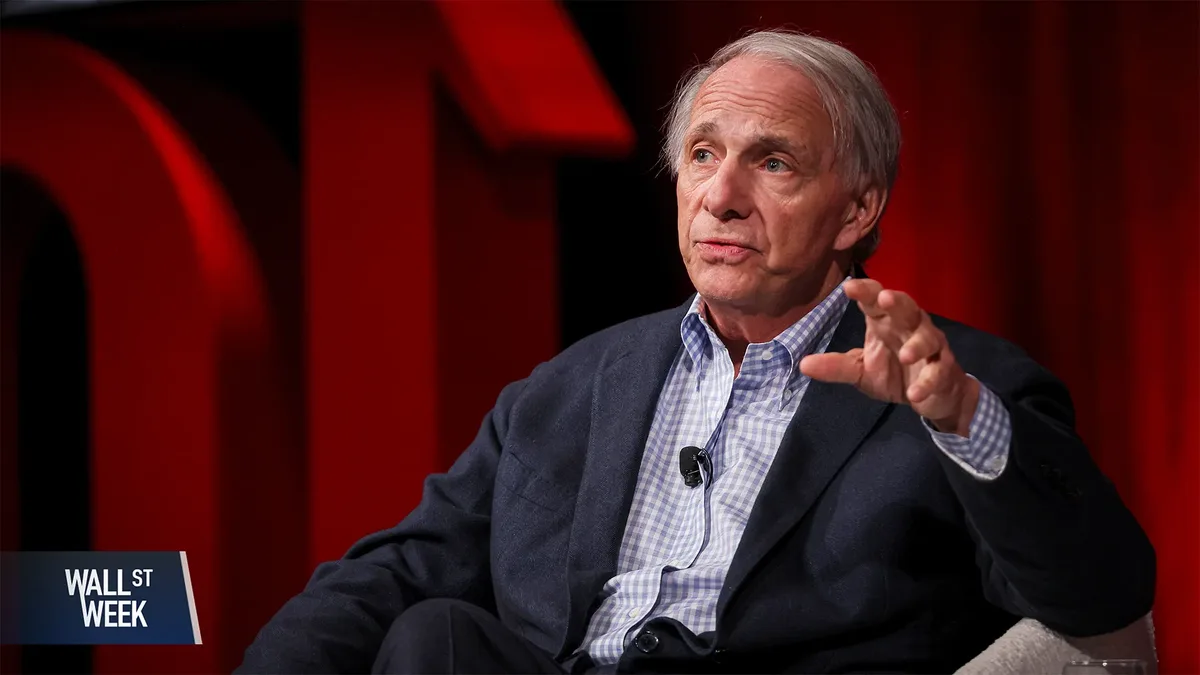
Ray Dalio, founder of Bridgewater Associates, said the United States' credibility as a global power willing to defend its interests is declining while China is accumulating wealth and influence. He made the remarks during a Bloomberg TV interview on May 15, 2026, after spending about a month traveling across Asia, including 10 days in China meeting leaders and officials [1, 2, 3, 4, 5, 6, 7, 8].
Dalio observed a perceptible shift in global perceptions: “Right now, that perception is changing. Countries increasingly believe the United States cannot be relied on to fight that war,” referring to US involvement in the Iran conflict [2]. This comes despite the US maintaining approximately 750 military bases across about 80 countries, long viewed as a key pillar of global security partnerships [2, 3, 4, 5, 6, 7, 8].
The Chinese economy has grown more than threefold over the past 20 years and is now about 60% to 70% the size of the US economy, reflecting its rapid ascent on the world stage [2, 3, 4, 7, 8]. Voting with their visits, an increasing number of world leaders have traveled to China, where recognition by visiting presidents and prime ministers holds growing importance. Dalio described this as a modern “tribute system” echoing ancient hierarchical relations in trade and diplomacy: “You’re seeing a number of leaders go up to China. It’s like the tribute system that existed throughout history to come and recognise the differences in power,” he said [2].
Dalio explained the tribute system concept further: “So this tribute system is a hierarchical system. The important thing in dealing with other countries is how it affects you in your trade and your safety” [2].
This power shift is affecting financial markets by increasing volatility and risks to currency values. Dalio advised investors to enhance diversification and hold assets like gold to mitigate risks during this period of uncertainty. “Investment portfolios must increase diversification and include gold to navigate the risks and uncertainties of this turbulent time,” he said [1].
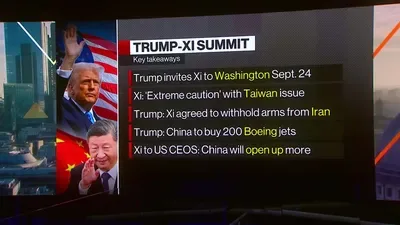
Dalio’s comments came during the same week US President Donald Trump met Chinese President Xi Jinping for bilateral talks, amid a stalemate in the US-Iran conflict and ongoing geopolitical tensions [2, 3, 4, 7, 8]. Looking ahead, Russian President Vladimir Putin is scheduled to visit China from May 19 to May 20, 2026, for talks with Xi Jinping, reflecting China’s growing diplomatic significance [4, 5, 6, 7].