Samsung Electronics posted a record operating profit of about 89.4 trillion won (approximately US$58-59 billion) in Q2 2026, soaring nearly 19 times from the same quarter last year, a roughly 1800% increase [1, 2, 3, 4, 5, 6, 7, 8, 9, 10]. The Q2 profit alone exceeded Samsung’s combined operating profits from 2023 through 2025 [3, 4, 10].
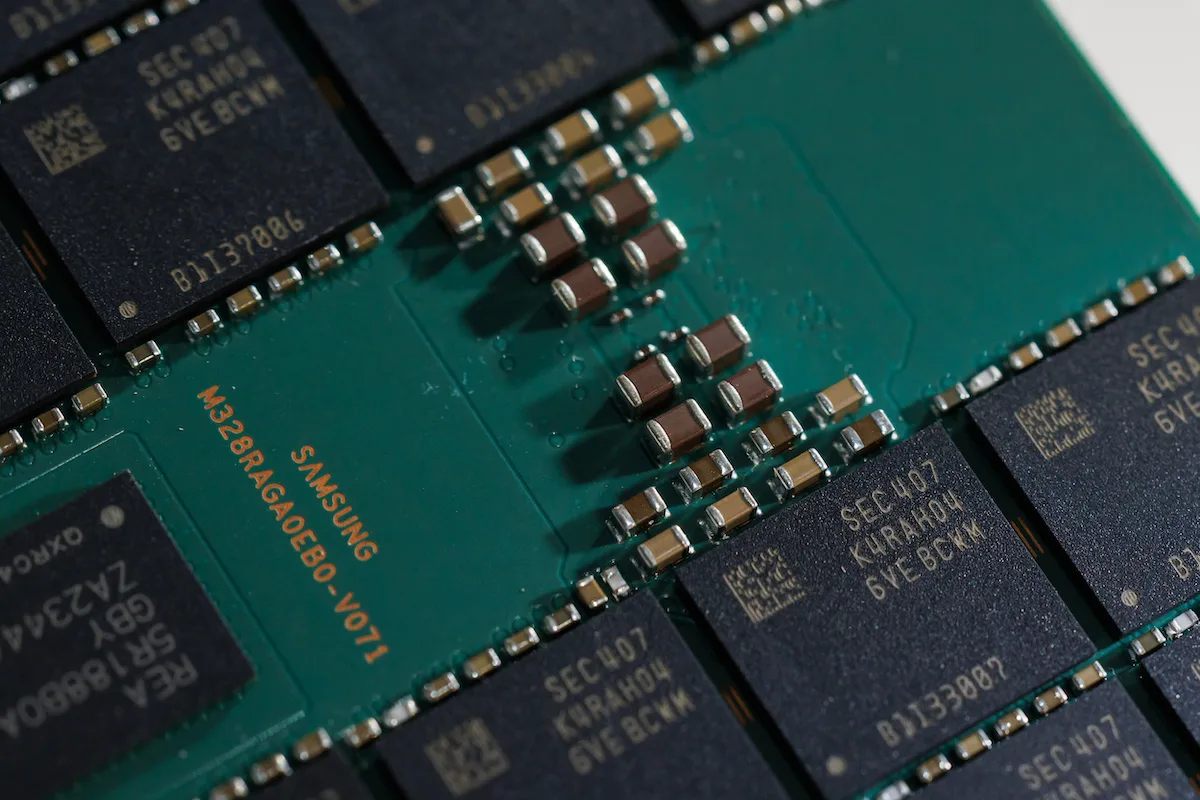
Revenue also surged, reaching about 171 trillion won in Q2 2026, up approximately 129% year-on-year and beating analyst expectations [3, 4, 9]. The profit jump was mainly fueled by a surge in demand for memory chips used in AI infrastructure, especially AI inference workloads requiring high-bandwidth memory (HBM), DRAM, and NAND products [1, 2, 3, 4, 11, 9, 10].
The global memory market remains undersupplied due to strong AI demand, with shortages expected to continue at least through 2027, according to industry sources [1, 2, 3, 4, 9, 10]. Bryan Ma, IDC's Technology Devices Research Head, said, "We expect tight chip supply conditions to continue into next year due to ongoing AI data center demand" [9].
Average selling prices for memory chips saw sharp increases, with DRAM up 40-44% quarter-on-quarter and NAND up 50-53% quarter-on-quarter in Q2 2026 [1, 2, 4, 11, 9, 10]. Samsung is a major supplier to leading tech companies including Nvidia, Google, and Apple [1, 2, 9, 10].
Despite the strong earnings, Samsung’s shares underperformed rival SK Hynix in 2026, gaining about 165% compared to SK Hynix’s roughly 260% rise [3, 9, 10]. The AI-driven memory shortage has lifted stock prices across Samsung, SK Hynix, and Micron, all clearing $1 trillion valuations this year [1, 2, 11].
Samsung reached a wage deal in late May allocating 10.5% of semiconductor division’s operating profit to employee bonuses, which may lead to downward pressure on reported net earnings if bonus provisions exceed expectations [1, 2, 11].
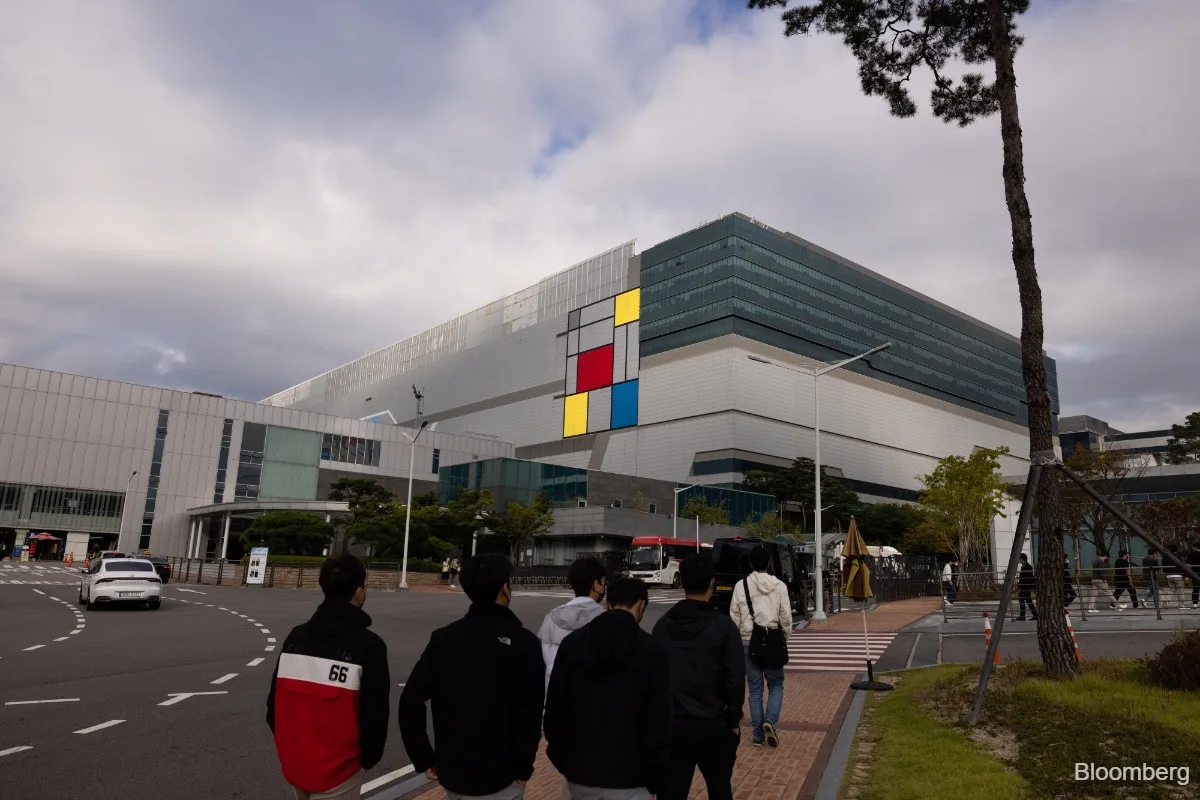
Samsung and SK Hynix plan to double South Korea’s memory chip production capacity within five years by constructing four new fabs costing about 800 trillion won [3, 10]. Samsung intends to spend over US$70 billion in 2026 to expand production capacity and boost research efforts [3].
Samsung will release a full financial report with detailed net income and business segment results at the end of July 2026 [3, 4, 9, 10].