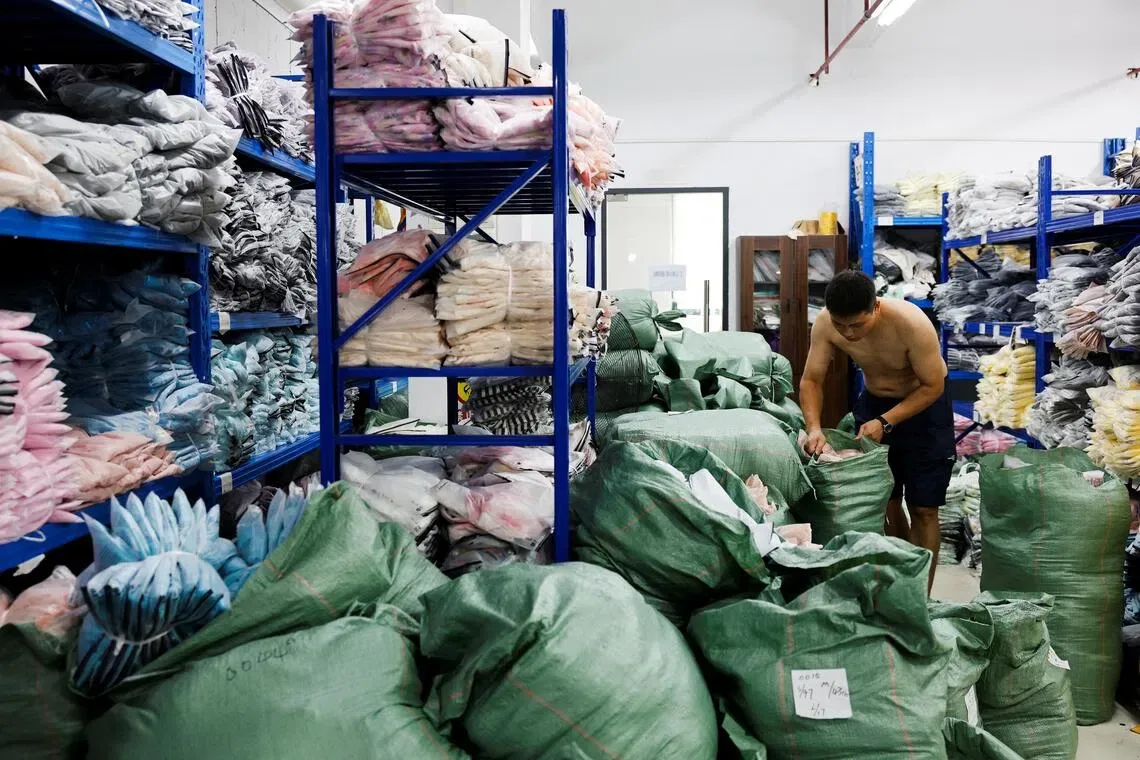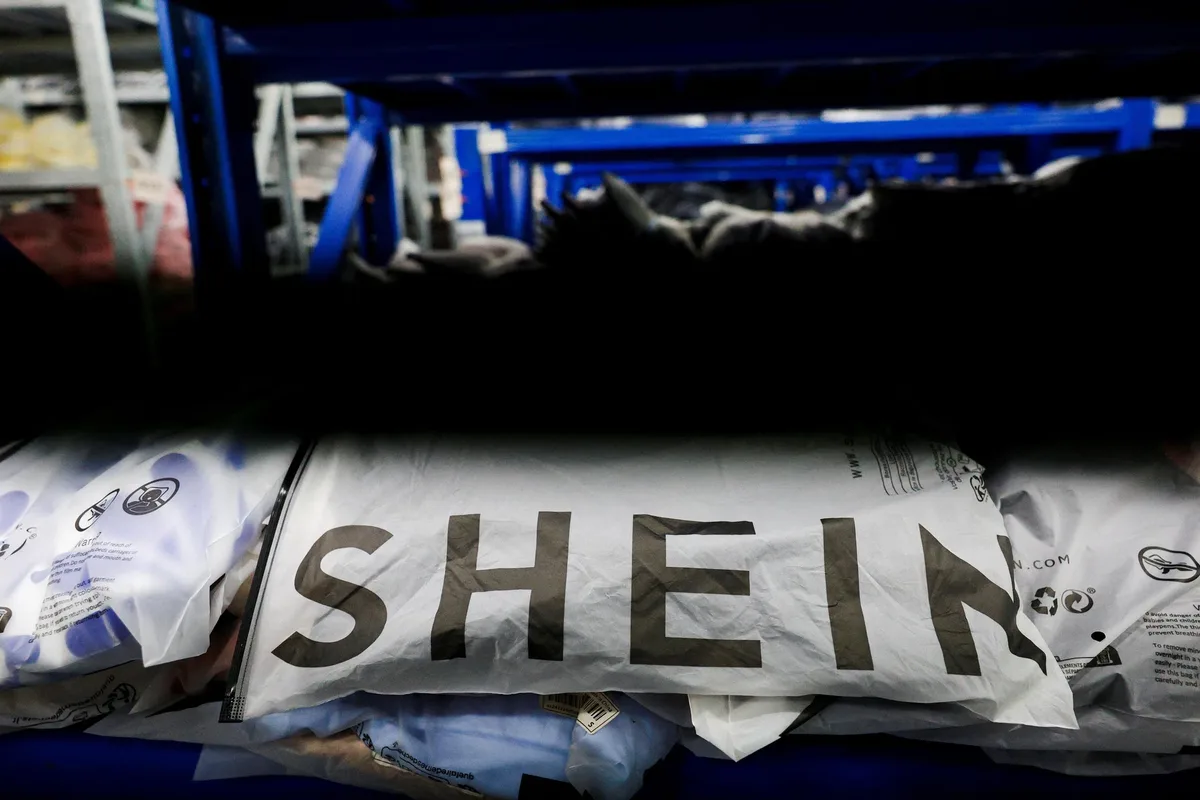
Shein drastically reduced its planned warehouse space near Ho Chi Minh City from 15 hectares to 6 hectares, with only about a third of the site in use by mid-2026, amid a sharp scaling back of its Vietnam export base effort [1, 2, 3, 4]. Mass layoffs began at the Vietnam warehouse in April 2026, with some teams cutting three-quarters of their staff, reflecting a sharp contraction of operations there [1, 2].
The company's Vietnam expansion was disrupted by changing U.S. trade policies. By April 2025, U.S. tariffs on many Chinese goods had surged to 145%, and President Donald Trump ordered the cancellation of global duty-free exemptions on small parcels under $800, effective about a month after July 30, 2025. This removed Vietnam’s previous tariff advantage over China for cross-border shipments [1, 2, 3, 4].
Further challenges arose as both China and Vietnam faced new 12.5% U.S. tariffs from July 2026 over alleged forced labor imports, weakening Vietnam’s competitiveness relative to other Southeast Asian apparel producers [3, 4]. Additionally, the European Union imposed a 3-euro tariff on low-price cross-border e-commerce imports in July 2026, expected to further slow demand for Shein’s products in that market [3, 4].
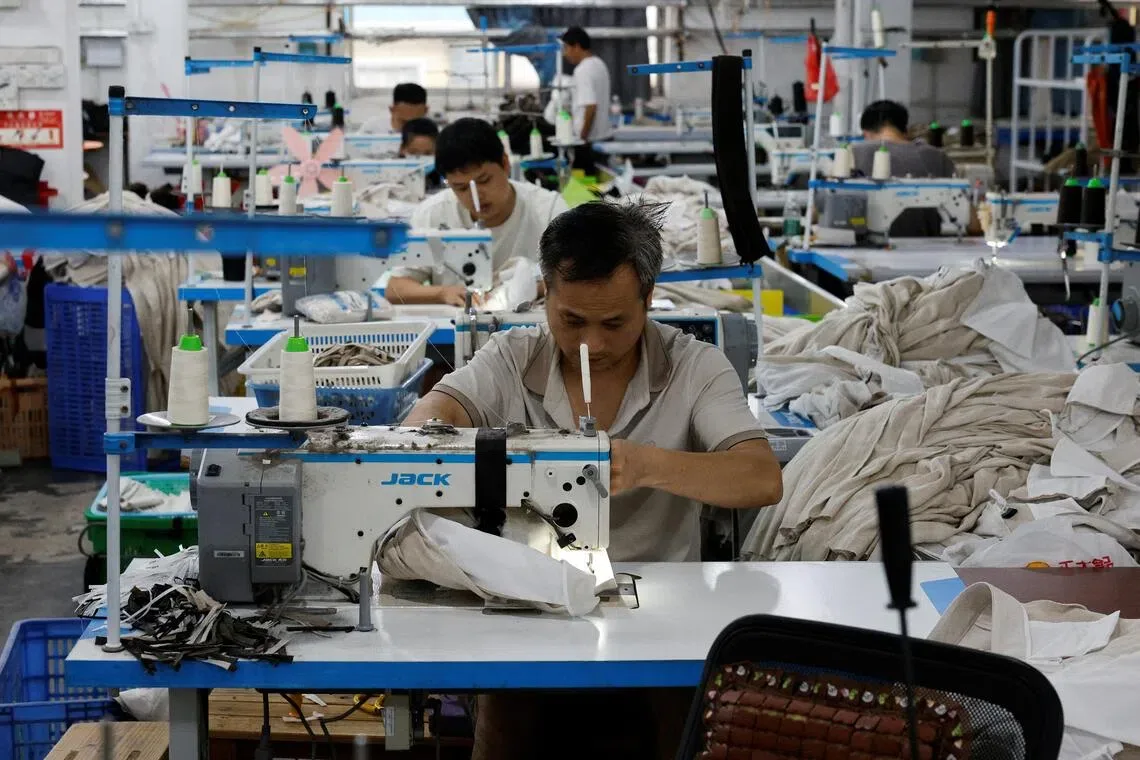
Shein relies heavily on a fast, low-cost small-batch production network centered in China. Efforts to replicate this in Vietnam proved difficult because of lower efficiency and labor shortages. Many of Shein’s Chinese suppliers who initially set up in Vietnam have since returned to China [3, 4]. An unnamed Guangzhou factory manager noted, “Although U.S. tariffs on Vietnamese goods were lower than Chinese goods, low efficiency made production in Vietnam less feasible” [3]. The Guangzhou local government cautioned Shein in mid-2025 against large order shifts from Guangdong to Vietnam [3, 4].
In February 2026, Shein’s CEO Xu Yangtian pledged to invest over RMB 10 billion (about USD 1.5 billion) to develop an intelligent supply chain system in Guangdong province, signaling a renewed focus on its Chinese base [3, 4]. University of Delaware fashion professor Sheng Lu said diversifying sourcing beyond China is practically limited for companies like Shein that depend on speed, flexibility, and extremely small-batch production [3].
Shein has also moved its headquarters to Singapore and is pursuing an initial public offering (IPO) in Hong Kong after unsuccessful attempts in New York and London. Meanwhile, its US market revenue declined 14% in the first quarter of 2026 due to tariff changes [1, 2, 3, 4].
Reuters observed the Vietnam warehouse site was largely quiet by late July 2026, with few workers or trucks present [1, 2]. Shein’s next major public step is its anticipated IPO in Hong Kong as it deepens manufacturing commitments in southern China [1, 2].