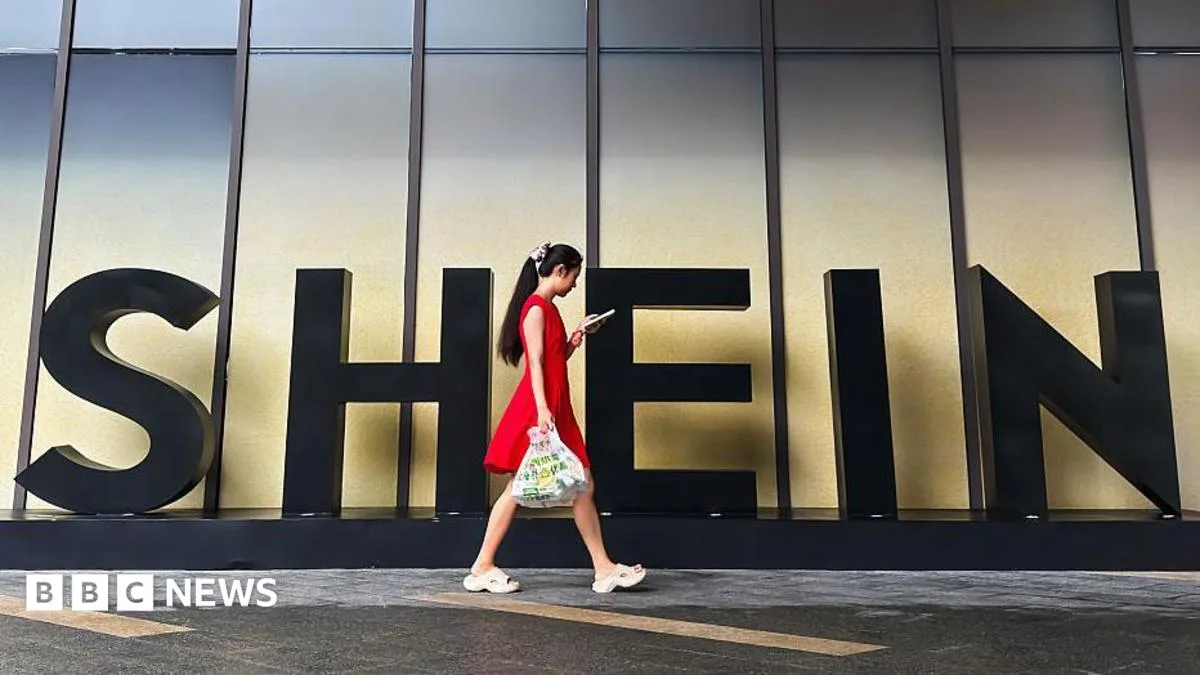
Shein initiated its initial public offering on the Hong Kong Stock Exchange on August 24, 2026, aiming to raise up to HK$13.86 billion ($1.77 billion) by offering nearly 280 million shares priced between HK$47.60 and HK$49.50 each [1, 2, 3, 4, 5, 6, 7, 8, 9, 10, 11]. The IPO valuation at the top share price could approach $27 billion [1, 2, 3, 4, 6, 9, 10, 11], significantly lower than its nearly $100 billion private valuation peak recorded in 2022 [1, 2, 4, 5, 6, 9, 10, 11].
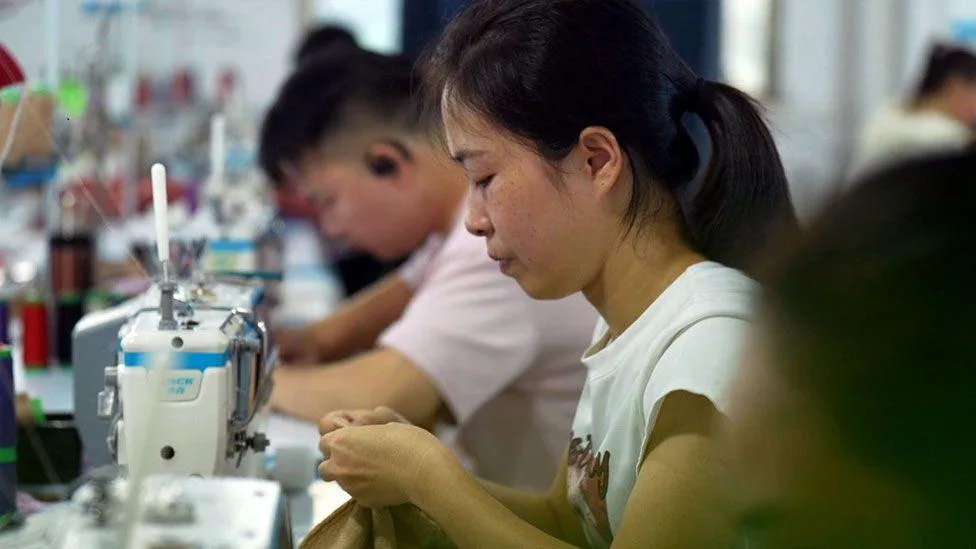
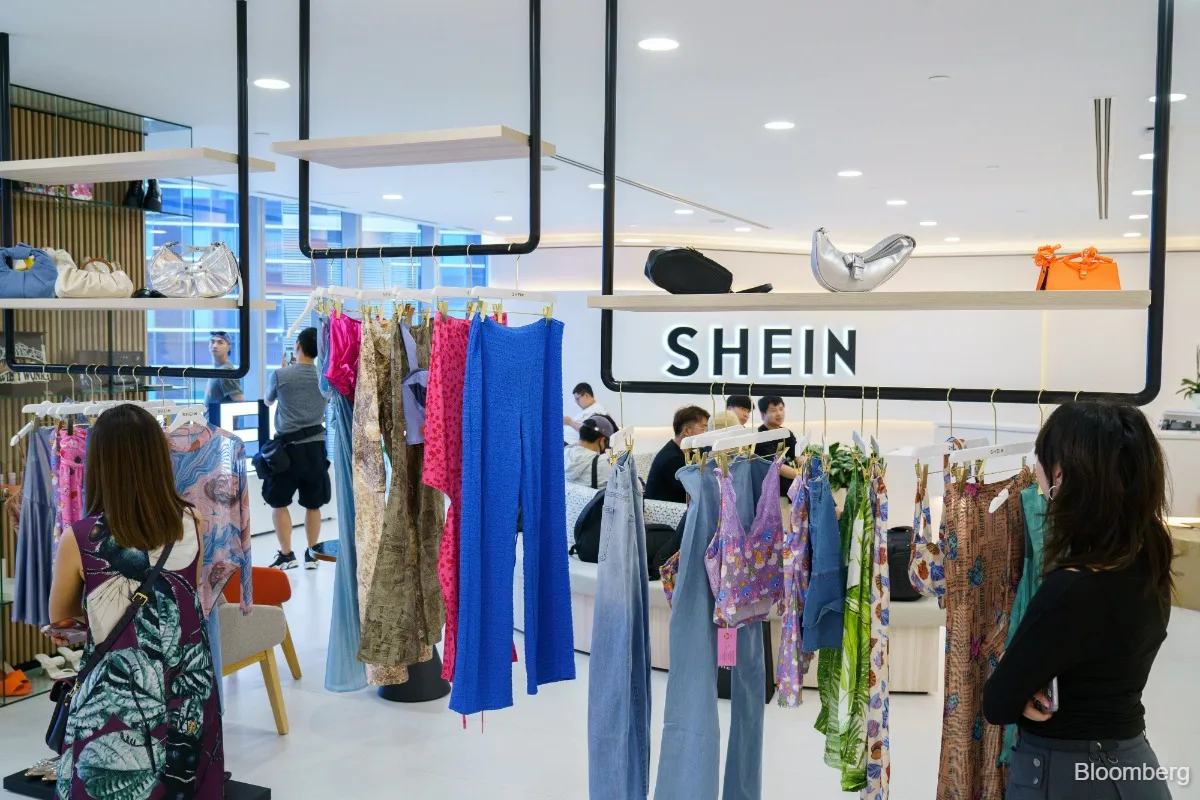
The company, founded in China but relocated its headquarters to Singapore between 2021 and 2022, is known for ultra-cheap fast fashion produced primarily in Chinese factories and serving a large global customer base [1, 4, 7]. It has over 281 million active customers as of March 2026, marking a 16% year-on-year increase, with over one billion orders worldwide [1]. However, Shein reported a net loss of $99 million in the first quarter of 2026, a turnaround from a $395 million profit in the same period last year, amid rising costs and pressures from US tariffs and Middle East conflicts [1, 3, 7, 8].
The IPO attracted strong investor demand, fully filling the order book to raise approximately $1.8 billion [5, 11]. Cornerstone investors include Boyu Capital, Tiger Global, General Atlantic, Tencent Holdings, and UBS Asset Management Singapore, committing around $383 million [3, 6, 9, 10]. To compensate pre-IPO investors for the significant valuation decline, Shein will pay up to $3.5 billion in cash and free shares [12].
Shein faced previous failed listing attempts in the US and London due to regulatory scrutiny and geopolitical tensions [1, 3, 4, 7, 8]. The company also faces ongoing ESG-related regulatory investigations and fines in the US and Europe regarding alleged greenwashing and labor issues, though a Shein spokesperson stated, "We maintain high standards of corporate governance and do not tolerate forced labour in our supply chains" [4, 11].
Shein plans to use IPO proceeds to enhance its technology, including inventory systems, marketing initiatives, supply chain improvements, and corporate responsibility efforts [3, 7, 8]. Its IPO valuation of about 0.7 times forecasted sales is cheaper than H&M and Zara but more expensive than European rival Zalando [9, 10]. Winston Ma, adjunct professor at NYU School of Law, said, "Public investors are no longer paying for hyper-growth. They are underwriting a mature cross-border platform that must now defend its profit margins against trade tariffs, higher compliance costs, and regulatory scrutiny in both the US and China" [9].
Shein shares are scheduled to begin trading on the Hong Kong Stock Exchange on September 1, 2026, with the final IPO price to be announced on August 31 [1, 4, 5, 6, 7, 11].