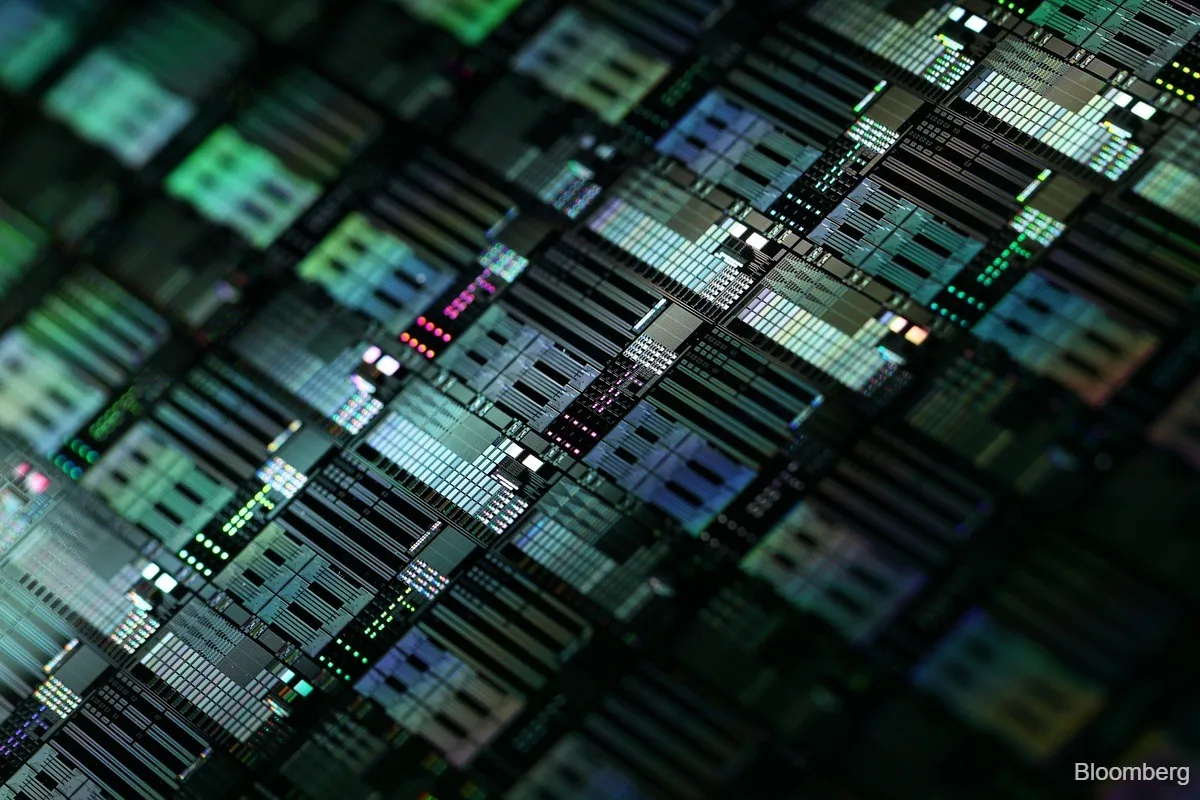
South Korea announced plans to create a Future Response Fund using surplus tax revenue generated by the booming semiconductor industry to drive economic growth and address widening inequality [1, 2, 3]. Presidential Chief of Staff Kang Hoon-sik said, "At this critical juncture that will determine South Korea's future, we must not squander additional tax revenue generated by the semiconductor boom and other factors" [1].
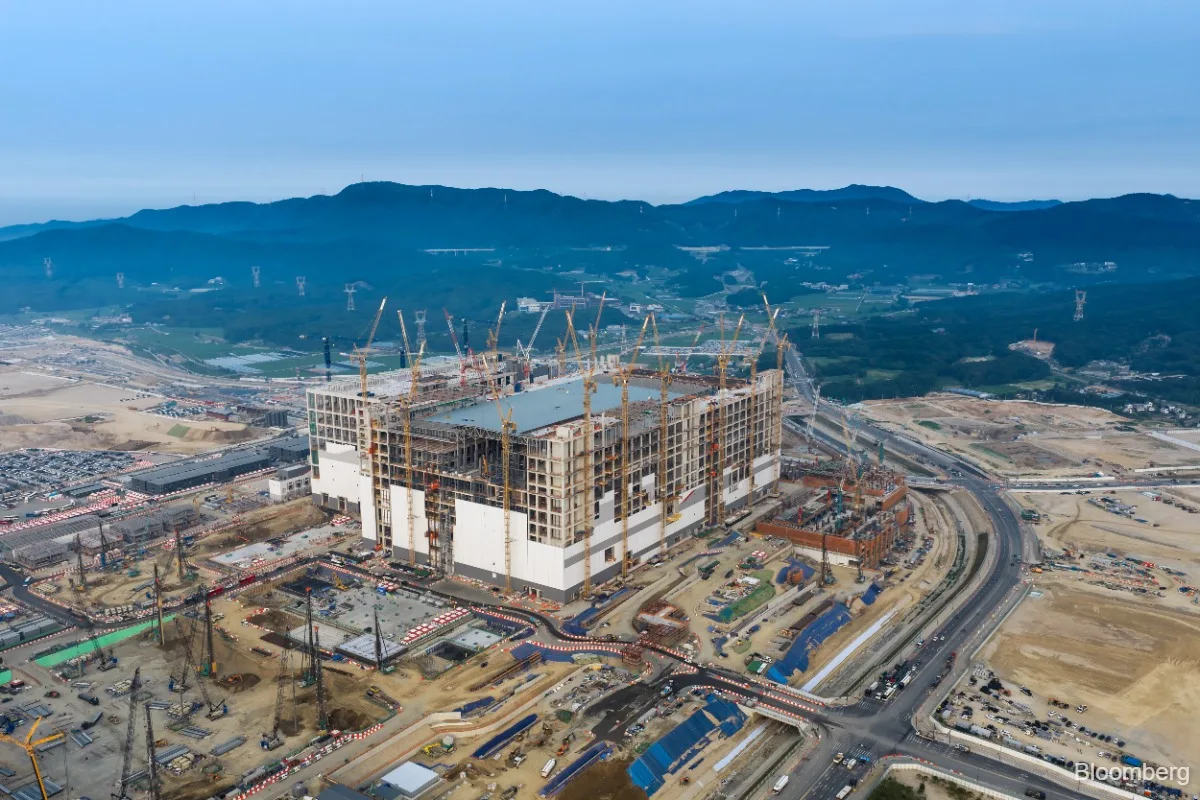
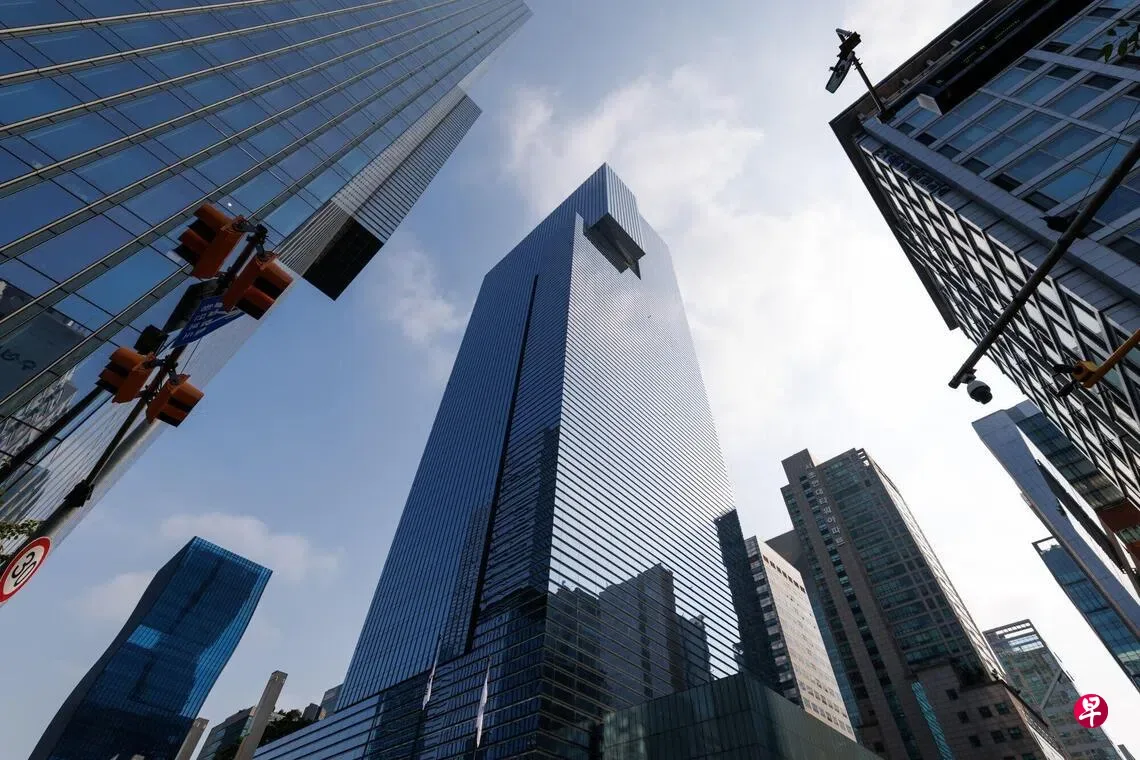
The fund will support three mega projects focusing on semiconductors, physical AI, and data centers, with investments from Samsung Electronics, SK Hynix, and government agencies amounting to at least 1,350 trillion won [1, 2, 3, 4, 5]. Prime Minister Han Sung-sook described these projects as a "30-year strategy linking semiconductors, AI, data centers and physical AI," emphasizing government, ruling party, and private sector cooperation [1, 6].
The initiative aims to combat "K-shaped" economic polarization by providing housing, startup, and employment support primarily for South Koreans in their 20s and 30s, Kang noted, calling the fund a "cornerstone for realising President Lee's goal of making South Korea globally irreplaceable" [2, 3]. Democratic Party floor leader Han Byung-do pledged legislative and budget support to secure early project implementation [1].
Excess annual tax revenues from the semiconductor sector are estimated to exceed 100 trillion won, driven by record profits at Samsung and SK Hynix [4]. Kang also indicated that some of these funds might help expand electricity and water supply to chip plants [4]. The government seeks to spread industrial development beyond the Seoul metropolitan area to foster regional growth nationwide [1, 2, 3].
The fund faces challenges such as fiscal laws limiting earmarked spending and some opposition critique over perceived regional favoritism toward the Honam area, which is earmarked for around 896 million billion won in investment [4, 5]. Nevertheless, officials highlighted close coordination among government branches and the private sector to accelerate project rollout [1, 2].
South Korea’s semiconductor and AI industries remain crucial global supply chain hubs poised for long-term expansion amid rising AI demand [7]. The government is also considering support for biotech and aerospace sectors through related investments [6, 5].
The Future Response Fund was formally proposed in early July after the mega projects were unveiled in late June. Continued legislative and budget discussions are expected to determine the fund’s establishment and rollout timetable [1, 2, 3, 6].