South Korean police raided the Starbucks Korea headquarters in Seoul on August 5, 2026. The raid was part of an ongoing investigation into the 'Tank Day' marketing campaign held in May 2026 that sparked nationwide outrage [1, 2, 3, 4, 5, 6, 7, 8, 9, 10, 11, 12].
The campaign promoted stainless steel coffee tumblers featuring a 'Tank' theme and ran a discount promotion from May 15 to May 26, 2026. Notably, the promotion included May 18, the anniversary of the 1980 Gwangju Uprising—a pro-democracy movement that left approximately 165 to 200 civilian casualties [1, 2, 5, 7, 9, 10, 11, 12].
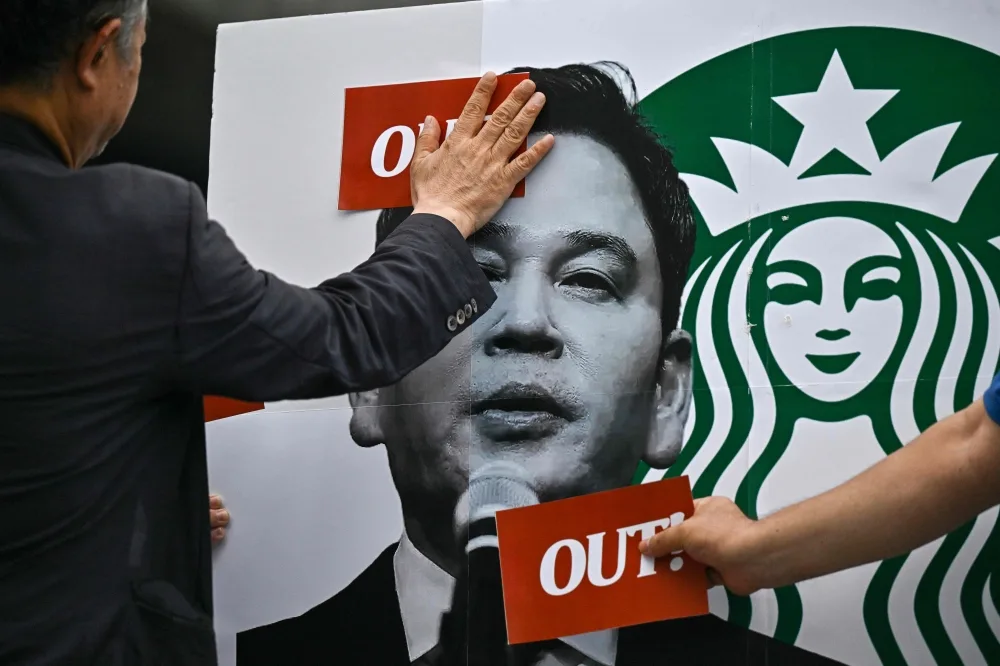
The campaign drew sharp criticism for trivializing and insulting the victims of the Gwangju movement, including revered figures such as student activist Park Jong-chul, who died under police torture. The phrase "Thwack it on the table!" used in promotion was linked to a 1987 police attempt to conceal torture that caused Park's death [1, 2, 5, 6, 7, 9, 10, 11].
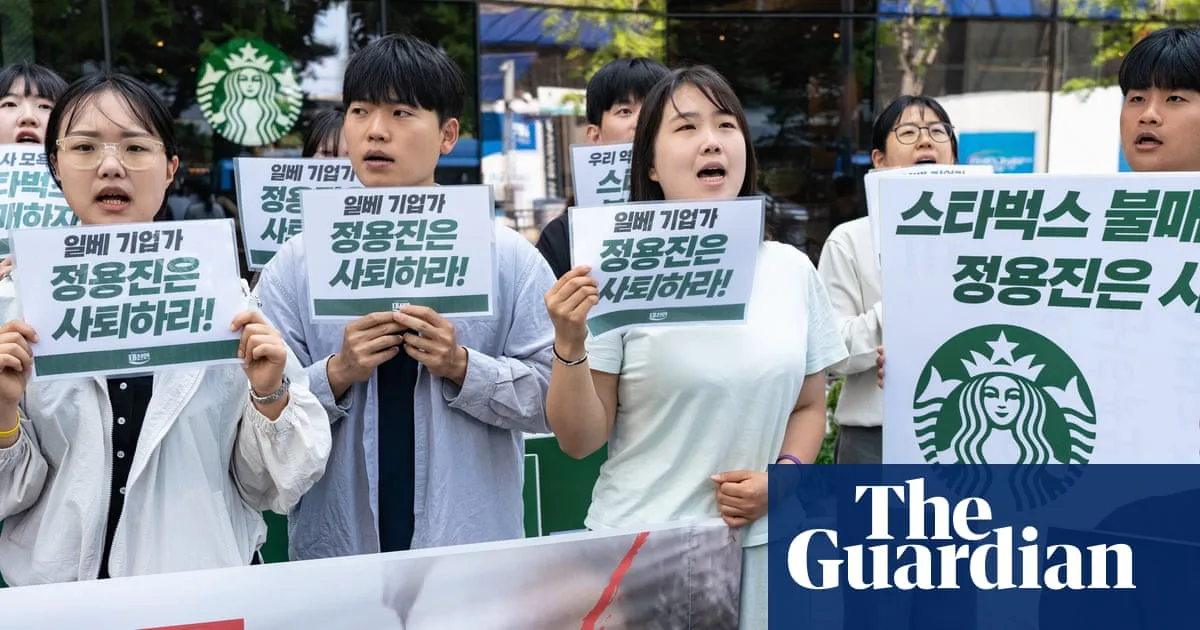
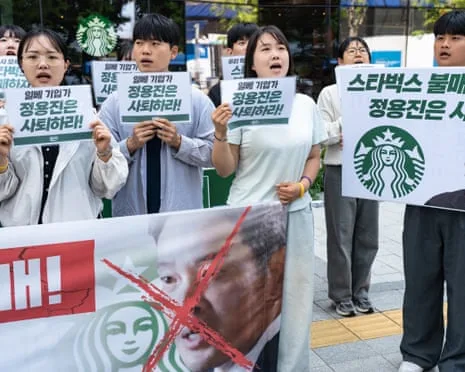
Following public outcry, Starbucks Korea swiftly withdrew the campaign within hours and issued a formal apology. Shinsegae Group, which owns a 67.5% stake in Starbucks Korea, conducted an internal probe and concluded the incident was unintentional. Shinsegae chairman Chung Yong-jin said, "We deeply apologize for the inappropriate marketing campaign and the hurt caused to victims and relatives" [1, 2, 3, 6, 10].
Starbucks Korea also fired CEO Son Jung-hyun amid the controversy [1, 2, 3, 6, 8, 10]. South Korean President Lee Jae Myung condemned the campaign as "insulting to the victims and the bloody struggle of Gwangju residents" [1, 2, 3, 6, 8].
In June 2026, more than 2,000 Starbucks stores nationwide closed early for employee history and social-sensitivity training to rebuild public trust [1, 2, 3, 6, 8, 10].
The police investigation began after complaints from civic groups and families of Gwangju victims accused Starbucks and Shinsegae of defamation and insulting the democracy movement. The investigation faced delays, as 3 out of 5 responsible campaign employees refused to submit mobile phones for review. Authorities obtained search warrants only after reviewing Shinsegae's internal audit report that revealed these limitations [1, 5, 7, 9, 10, 11, 12].
The controversy caused a steep 17% drop in Starbucks Korea's credit and debit card transaction volume from May to June 2026 [1, 10].
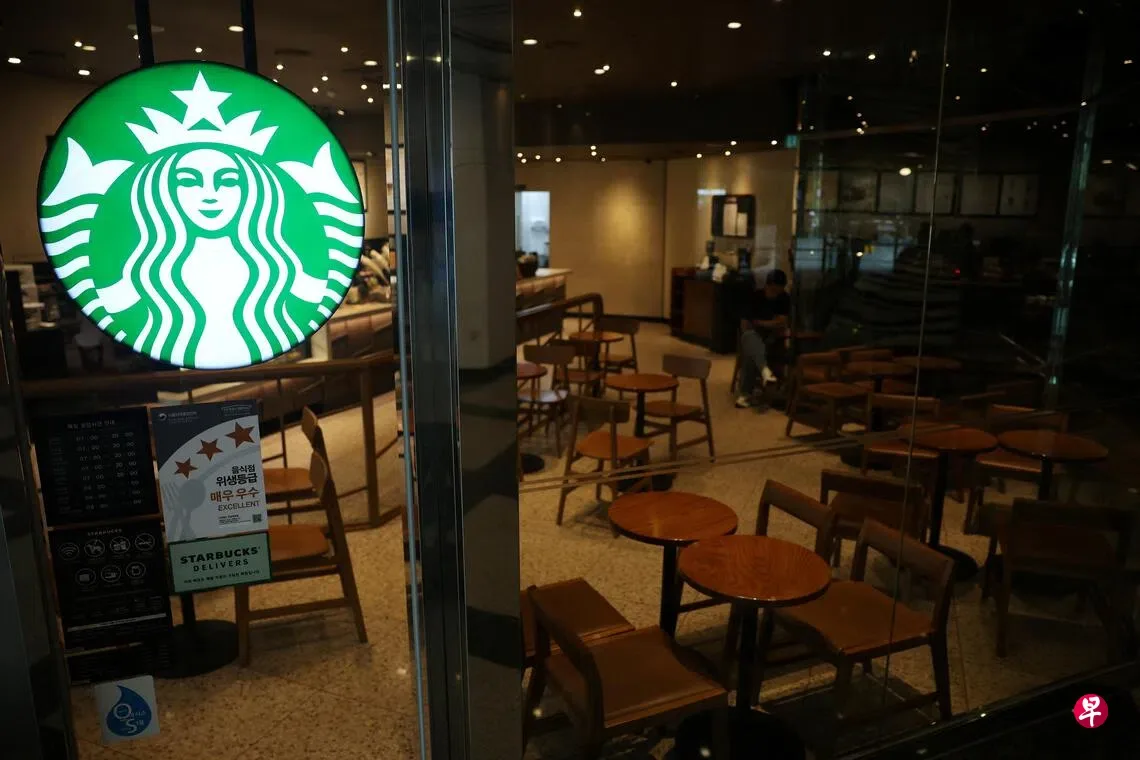
Seoul police executed the search warrant on August 5 to collect further evidence in the case [1, 2, 3, 4, 5, 6, 7, 8, 9, 10, 11, 12].