SpaceX announced its first quarterly earnings as a public company will be released on August 4, 2026, following its June 12 IPO on Nasdaq priced at $135 per share with a $1.77 trillion valuation [1, 2, 3, 4]. After an initial stock price surge to about $225, the shares declined sharply to $108 by July 31, down nearly 20% from IPO price and more than 50% from peak value [2, 5, 6, 7].
Morgan Stanley estimates SpaceX’s Q2 revenue at $6.75 billion and expects an adjusted earnings per share loss of $0.35, projecting Starlink will reach 12 million users globally [3]. The firm maintains a positive outlook with a $300 target price, valuing the company’s enterprise AI business at $152 per share and Starlink at $128 per share, despite near-term losses [2, 3]. An analyst noted, “企业AI业务每股价值达152美元,Starlink等连网业务为128美元,X与Grok为12美元,传统太空业务则为8美元.” [3]
SpaceX’s IPO included a large retail investor allocation around 30%, among the biggest in U.S. listings [1]. However, investors remain cautious ahead of the company’s first earnings call, concerned about stock volatility driven by over 900 million shares becoming eligible for sale on August 6, worth roughly $100 billion [2, 3]. The increased supply could add further selling pressure.
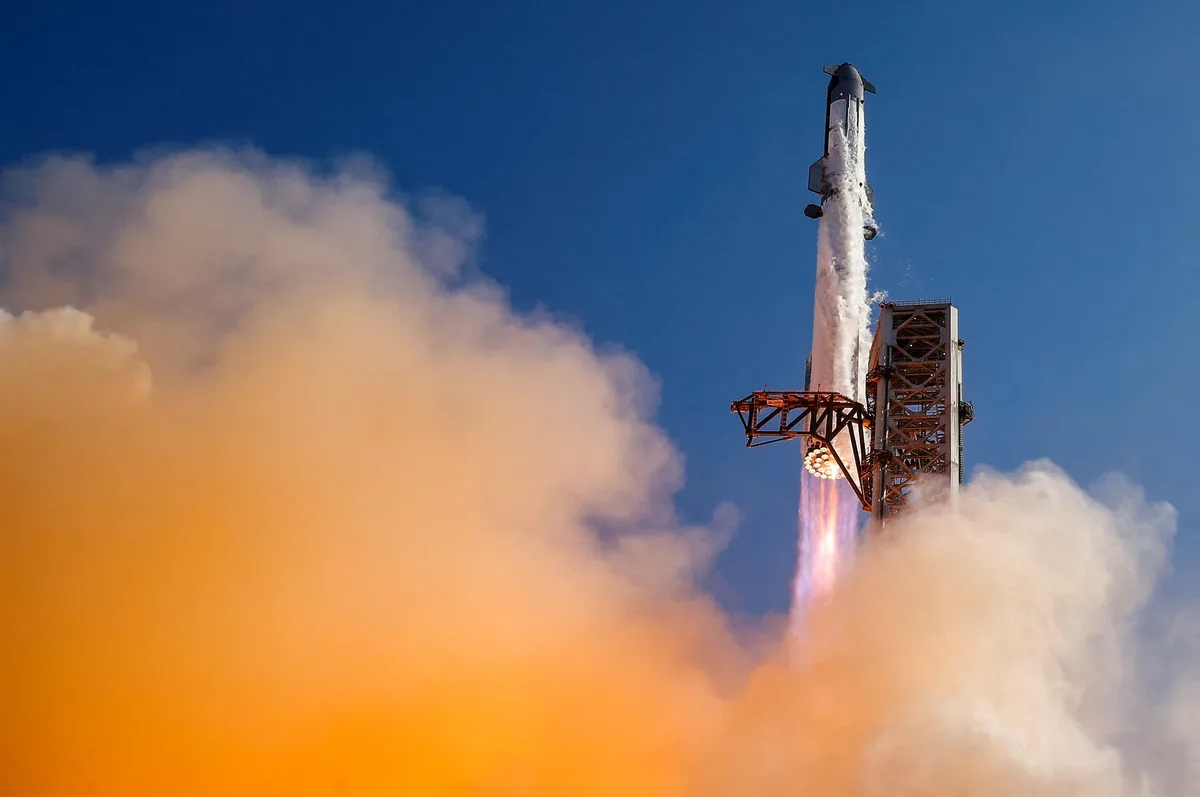
Technical questions persist around SpaceX’s Starship rocket. Former NASA engineer Lasky criticized the current thermal protection system using ceramic tiles for slow turnaround and risk of damage, calling it a “dead end for achieving full and rapid reusability” [6]. Starship completed its 13th test flight on July 24 deploying 20 Starlink V3 satellites, marking steady operational progress despite criticism [6].
SpaceX reported $18.7 billion in revenue for 2025, a 33% increase year-on-year, but remains unprofitable as it works toward a long-term goal of 45% net profit margins [7]. Some analysts question the company’s lofty valuation compared to competitors like Nvidia and TSMC, while others await the first public earnings data for clearer signals [7, 3].
Market volatility has been high, with significant swings across U.S. and Taiwan markets around late July and early August [2, 5, 6]. Alongside SpaceX’s IPO developments, major AI firms like OpenAI postponed IPOs amid uncertainty, while Anthropic aims to go public by October 2026 [5].
SpaceX’s first earnings report and call on August 4 will be closely watched by investors as a key test of the company’s prospects and market confidence amid the looming share unlock on August 6.