SpaceX was officially added to the Nasdaq 100 index on July 7, 2026, marking the fastest inclusion for a large IPO in the index’s history, just 15 trading days after its June 12 listing [1, 2, 3]. The move is expected to trigger about $4.3 billion in passive buying from over 200 ETFs and index-tracking funds adjusting their holdings [1, 4, 5, 3, 6].
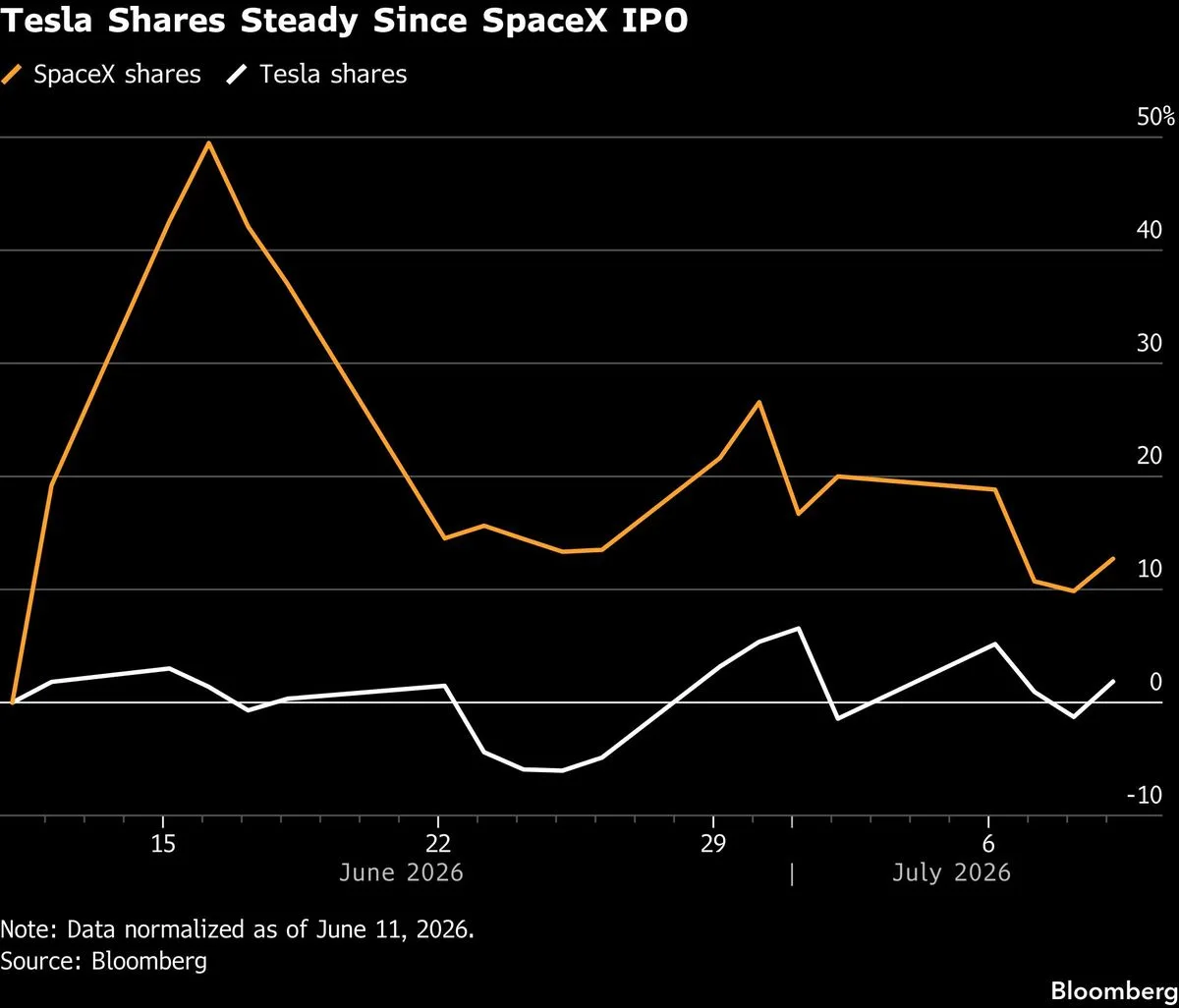
SpaceX’s stock began trading on June 12 at $150 per share after a June 11 IPO price set at $135 [7, 2, 8]. It rapidly surged to a post-IPO peak closing high of $201.80 on June 16 but later fell, closing near $148 on July 7 [7, 2, 8, 6]. On the day of its Nasdaq 100 inclusion, the stock dropped approximately 6.8%, breaking below its IPO opening price to close around $149 [2, 8, 6, 9].
Market conditions contributed to the pullback, with widespread weakness in tech stocks influenced by global de-leveraging concerns and selloffs in major shares like Samsung [4, 10, 6, 9]. Interactive Brokers’ Steve Sosnick noted, "SpaceX is a phenomenon strictly because of the Elon Musk halo," acknowledging investor faith buoyed by Musk’s track record [7].
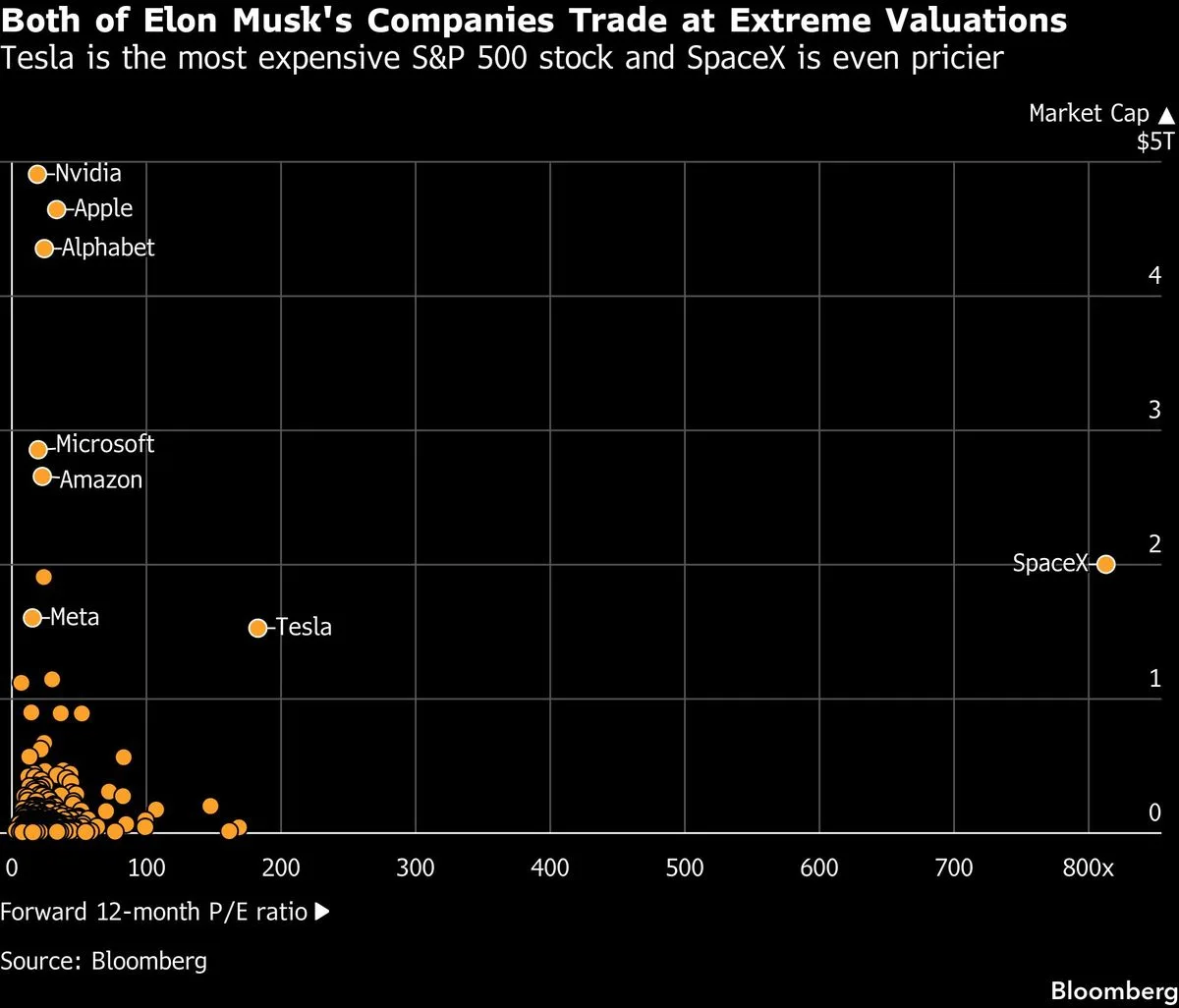
SpaceX’s market capitalization stands at about $2 trillion, ranking it the sixth-largest U.S. public company by market value [7, 8]. However, only around 5% of its shares are publicly traded, limiting liquidity and adding to price swings [1]. The company is not yet eligible for S&P 500 inclusion, which requires a year of public trading, and that gap may amplify differences between its Nasdaq 100 and S&P 500 stock price performance [1, 3].
Wall Street opinions on SpaceX vary. Major investment banks including Morgan Stanley, Bernstein, RBC, UBS, and JP Morgan have initiated coverage with generally bullish or overweight ratings and target prices ranging from $210 to $300 or more. A Morgan Stanley analyst called SpaceX "the AI’s final frontier" with a $300 price target [2, 8, 3, 9, 11]. Meanwhile, firms like MoffettNathanson and CFRA offer more cautious or neutral views, highlighting risks from valuation, AI business challenges, technical hurdles, and regulatory issues [2, 8, 6, 11]. MoffettNathanson described the stock as "a gamble on a virtual monopoly in rocket manufacturing and launch" [11].
SpaceX’s business spans reusable rocket launches, Starlink satellite internet, and growing AI infrastructure. The company plans to build a 250-megawatt AI data center in the U.S. Midwest using Starlink’s network for low-latency connectivity, with initial server rack deployments expected by the second quarter of 2027 [2, 8, 4, 3, 9, 11]. However, legal risks exist, such as lawsuits over emissions permits at the Colossus 2 data center, which could impact AI capacity and contracts with AI firm Anthropic [6].
Historical data indicates Nasdaq 100 inclusion often leads to short-term volatility rather than immediate gains. New entries typically see an average 3.8% decline during the first week but may achieve longer-term price increases [12]. On July 7, despite early volatility, SpaceX’s Nasdaq 100 membership will keep it in the spotlight for passive funds and investors.
Taiwan-listed companies connected to SpaceX’s supply chain, including D-Link Communications, anticipate revenue boosts from the Starlink project [10, 12]. The next key milestone is SpaceX’s planned AI data center rack deployment in mid-2027, signaling further expansion in its technology infrastructure [4].