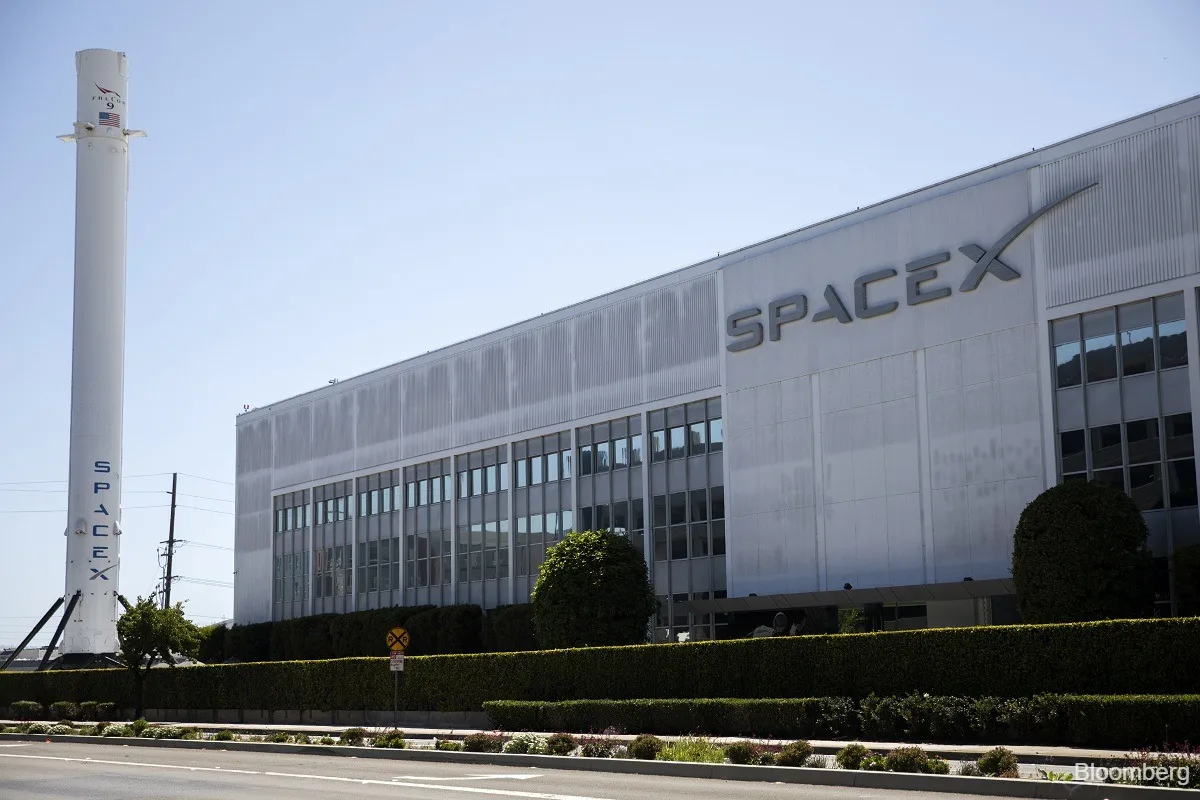
SpaceX announced its first-ever senior unsecured notes offering on June 22, 2026, marking its debut bond sale in the debt markets [1, 2, 3, 4]. The new bonds will rank equally with existing and future unsubordinated indebtedness in seniority [2, 4].
The company aims to raise at least $20 billion through the offering, according to investment bankers marketing the sale [3, 4]. Proceeds will repay borrowings under SpaceX's existing bridge loan facility and support general corporate purposes, including investments in artificial intelligence development [1, 2, 3, 4].
SpaceX completed a record initial public offering on June 12, raising $85.7 billion on Nasdaq and becoming one of the world's most valuable companies [1, 3]. Less than two weeks later, the company reported holding about $100.8 billion in cash and cash equivalents as of June 19, reflecting its massive liquidity position [1, 3].
Revenues grew 33% in 2025 to $18.67 billion, but SpaceX reported a net loss due to heavy spending on AI and Starship rocket development projects [1]. The company carries roughly $29.1 billion in long-term debt, with the bridge loan making up approximately $20 billion of that amount [4].
Credit rating agencies last week assigned investment-grade ratings to the new bonds: Moody’s Baa1, Fitch BBB+, and S&P BBB [1, 4]. Despite the positive ratings, SpaceX shares fell about 5-7% on the news of the bond sale [1, 3].
The bond offering represents a significant move for SpaceX to diversify its capital structure shortly after its historic IPO. The company is expected to finalize the sale in the coming weeks as it continues funding advanced technology programs.