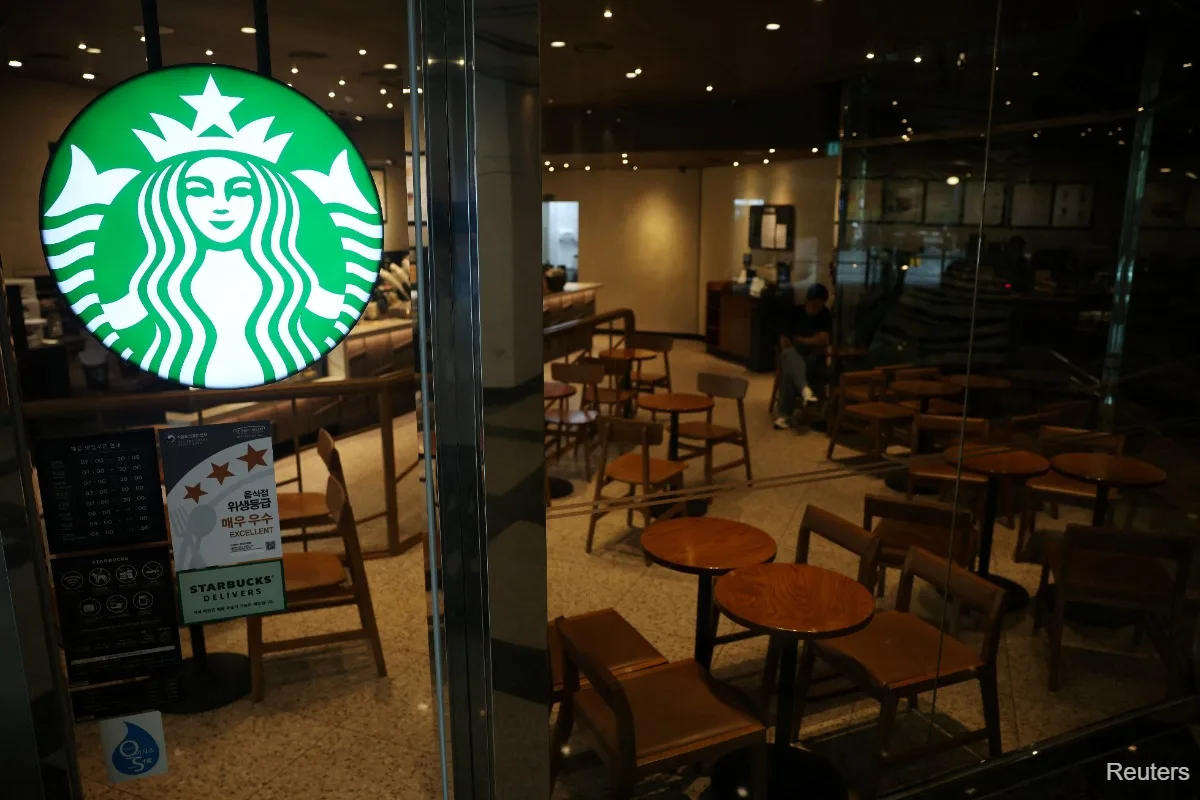
Starbucks Korea launched a promotional campaign called "Tank Day" from May 15 to May 26, 2026, offering discounts on a "Tank" tumbler series [1, 2, 3, 4, 5, 6]. The promotion began on May 15 but drew sharp backlash starting May 18, the 46th anniversary of the 1980 Gwangju Democratic Uprising, when military tanks violently suppressed protests, killing 162 civilians and leaving many others wounded or missing [1, 2, 5, 6, 7].
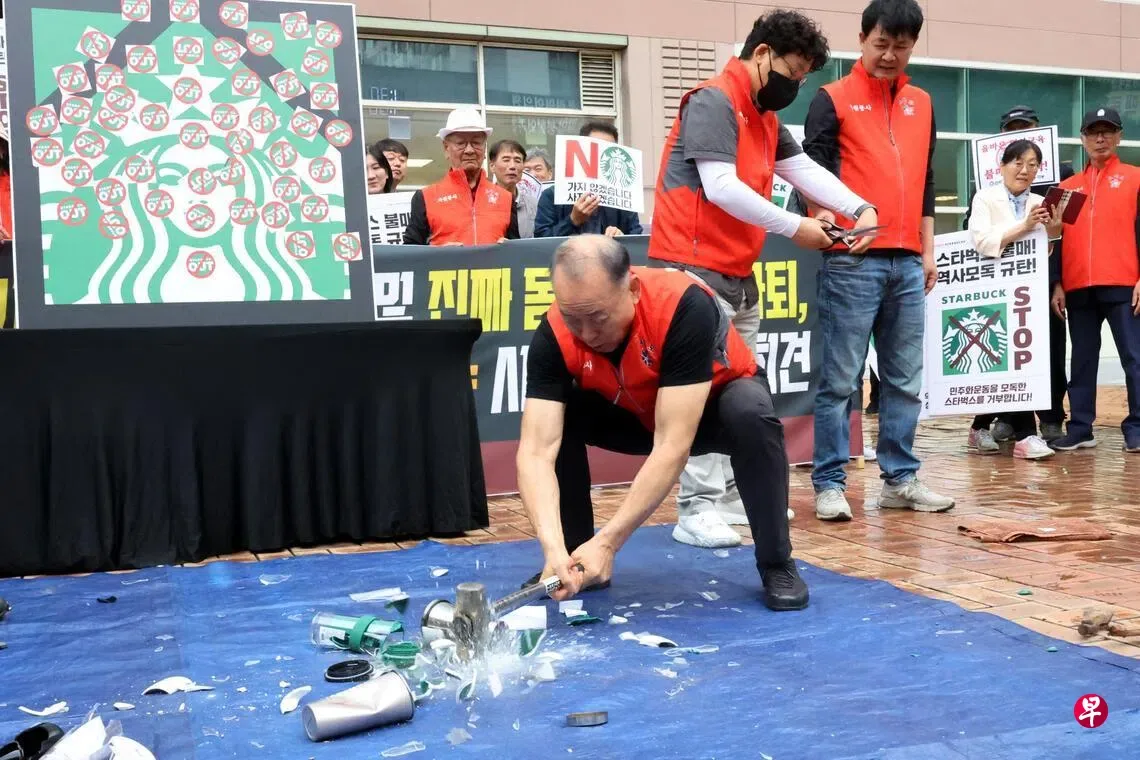
The campaign's name, along with language mimicking tank sounds such as "啪" and "Tak!", was widely criticized as mocking the pro-democracy movement and those who suffered during the crackdown [1, 4, 5, 6, 7]. Social media users condemned the campaign, with some likening it to an offensive commercializing of a tragedy. One Instagram user commented, "Imagine if American Starbucks launched a '9/11 Plane Day' marketing campaign." [8]. The backlash quickly escalated into a boycott, including the destruction of Starbucks merchandise and calls to exclude the brand from public and educational events [1, 6, 9, 8, 10]. Teachers' unions recommended that Starbucks not be included in school gift exchanges or events [9, 8, 10].
Shinsegae Group, which owns 67.5% of Starbucks Korea through E-Mart, issued multiple apologies. Chairman Chung Yong-jin apologized at a May 26 press conference, saying, "I sincerely apologise and ask for your forgiveness and to all who have been hurt. All responsibilities are on me." He expressed that the campaign caused "deep pain and anger" and took full responsibility without excuses [2, 3, 4]. Following the controversy, Starbucks Korea CEO Son Jung-hyun was dismissed late on May 18 [1, 2, 5].
South Korean President Lee Jae Myung criticized the campaign sharply. He called it "an insult to the blood and sacrifices of Gwangju citizens" and condemned it as "inhumane and shameful behavior that denies the Korean community, basic human rights, and democratic values" [1, 2, 5, 6, 10, 11]. President Lee also noted previous controversies involving Starbucks Korea, such as a 2024 promotional event related to the Sewol ferry disaster that was perceived as offensive [11].
Government officials, including Minister of Patriots and Veterans Affairs Kwon Oh-ik, expressed regret over the campaign, saying honoring the heroes of the democratic movement is a duty of both citizens and corporations [7]. Meanwhile, internal investigations by Starbucks Korea found no evidence employees acted with malicious intent, attributing the incident to oversight failures; all involved employees have been removed pending police investigation [2, 3]. Conservative commentators criticized the boycott and government responses as overreactions [1].
Starbucks Korea has seen a "very significant" drop in sales amid the boycott [2, 3]. The controversy spread beyond consumers to public sectors and educational institutions. For example, a South Korean musical actor, Jung Min-chan, resigned from a show after posting photos of Starbucks during the boycott and facing public criticism [12]. A Gwangju high school canceled about 30 million KRW (~200 USD) in Starbucks gift cards in protest [8, 10].
The next event scheduled is the ongoing police investigation into the marketing campaign and the corporate response. Shinsegae Group said it will review its marketing oversight to prevent similar issues in future [2, 3].