Starbucks reported global same-store sales growth of 7.9% for its third quarter of 2026, surpassing analyst estimates of 5.7% [1, 2, 3, 4]. The company posted adjusted earnings per share of $0.85, well above expectations of $0.66 and up from $0.41 in the year-ago quarter [1, 2, 3]. Revenue for the quarter totaled $9.3 billion, slightly down 1.7% from last year but higher than the forecasted $9.18 billion [1, 2, 3].
Starbucks’ CEO Brian Niccol credited the company's gains to product innovation, faster service, and an expanded menu. He said, “转型方向正确,进度超前计划。他指出,新品策略奏效、服务速度提升,以及餐点选择增加,共同带动业绩改善” [1]. Niccol added that customers experience a better overall feeling even when picking up mobile orders, which contributes to ongoing growth [4].
Growth was led by the North American market, with increased customer transactions and higher average spending offsetting a 34% decline in international sales [1, 2]. The company has remodeled over 1,000 stores in North America and plans to renovate another 500 by the end of the fiscal year [4].
On July 29, Starbucks raised its full-year 2026 adjusted earnings per share guidance to a range of $2.55 to $2.65, up from the previous forecast of $2.25 to $2.45, reflecting confidence in sustained momentum [5, 1, 2, 3, 4]. The company also expects global same-store sales growth near 6%, exceeding the prior guidance of at least 5% [5, 1, 2, 3, 4].
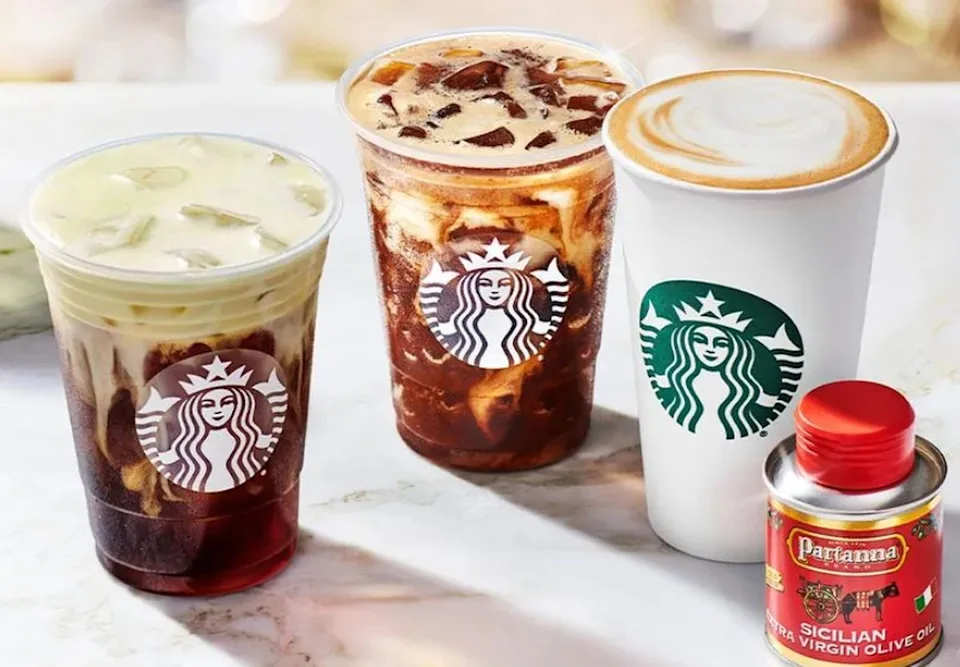
Looking ahead to the fall, Starbucks plans to bring back seasonal favorites such as the Pumpkin Spice Latte and test sparkling beverages in select markets [1, 2, 3]. Shares rose about 4.7% to 5% in after-hours trading following the earnings release [1, 2, 3, 4].